
How To Make Homemade Sazon Seasoning Recipe
This post may contain affiliate links which might earn us money. Please read my Disclosure and Privacy policies here
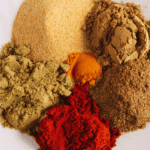
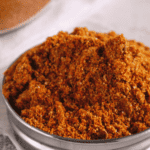
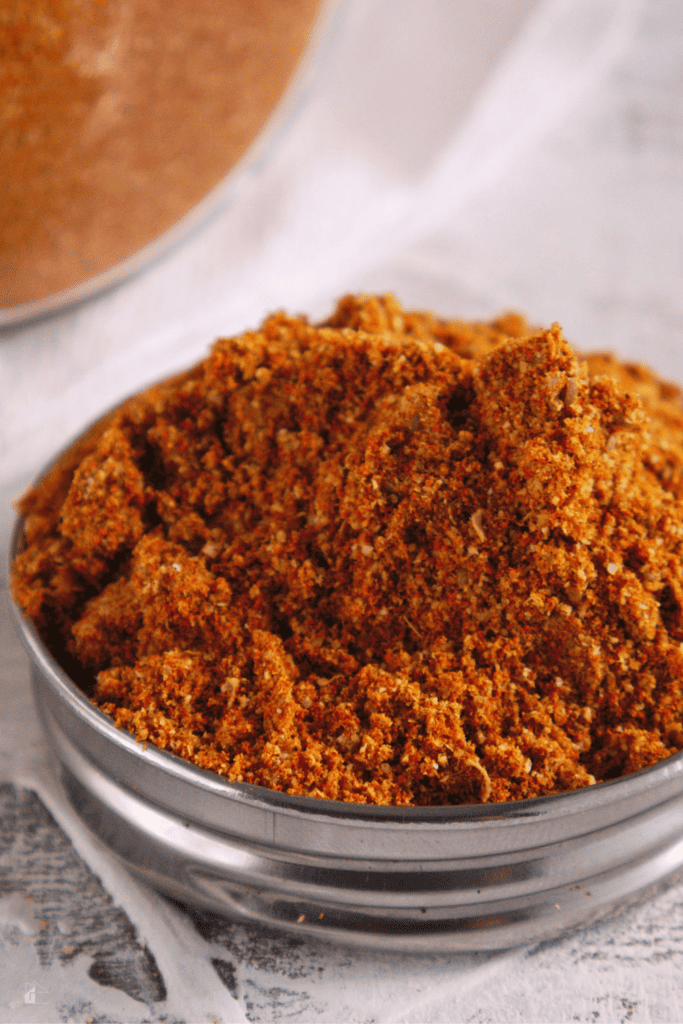
Creating your own homemade sazon seasoning is a great way to bring the rich flavors of Latin cuisine to your kitchen. This DIY sazon seasoning blend is not only easy to make but also customizable, allowing you to enjoy a salt-free sazon seasoning that fits your dietary needs.
Whether you’re looking for a gluten-free sazon or a healthier alternative to store-bought options, this recipe is perfect for you. Add it to your favorite dishes, and experience the authentic taste of Latin American cuisine.
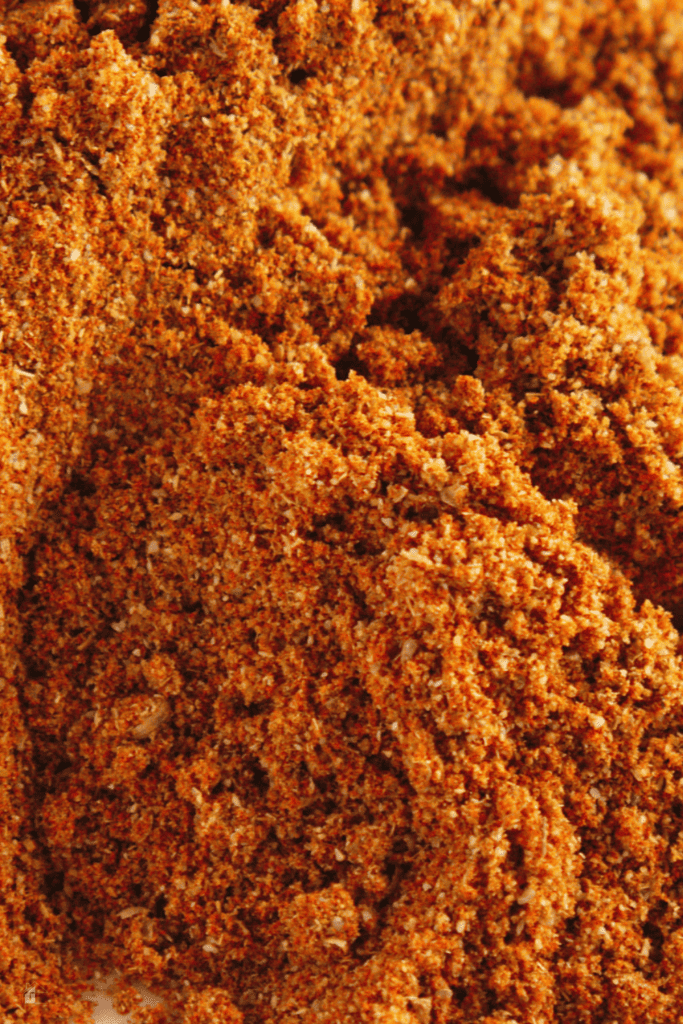
This sazon seasoning blend is a versatile spice mix that can be used in a variety of dishes. It pairs wonderfully with rice, beans, soups, and stews, giving them an irresistible flavor. You can also use it to season meats like chicken or pork, making it an essential ingredient for your kitchen.
Try pairing this seasoning with arroz con gandules or black bean soup from our site, My Stay At Home Adventures, to elevate your meals with a burst of Latin flavor.
What Is Sazon Seasoning?
Sazon seasoning is a popular Latin American spice blend known for its vibrant color and deep, savory flavor. Traditionally, it’s used in a variety of dishes, from meats to vegetables. This homemade version allows you to control the ingredients, ensuring a healthy sazon recipe that’s free from preservatives.
Pair it with recipes like carne guisada or Spanish rice for a delicious meal. For more recipe ideas, you can explore options like homemade tacos from The Happy Home Life to complement your dishes.
Sazon Seasoning Ingredients
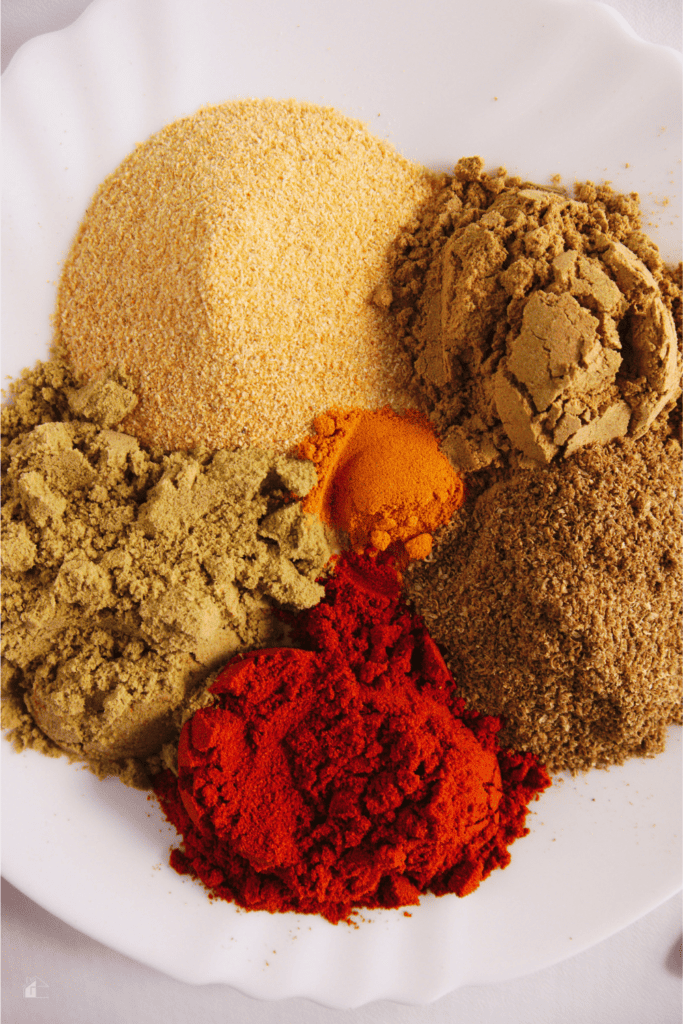
To create this flavorful Latin spice mix, you’ll need a few key ingredients that each bring their own unique taste to the blend:
- Garlic powder – Adds a deep, savory base to the seasoning.
- Ground cumin seed – Provides a warm, earthy flavor that’s essential to Latin cuisine.
- Turmeric powder – Offers a hint of bitterness and a vibrant yellow color.
- Ground coriander – Adds a subtle citrusy note to balance the other spices.
- Ground annatto seed or sweet Spanish paprika – Gives the seasoning its distinctive red color and a slightly sweet, peppery flavor.
- Ground oregano – Infuses the blend with a robust, aromatic quality.
These ingredients come together to create a seasoning that is both flavorful and versatile, perfect for adding to a wide range of dishes.
How to Make Sazon Seasoning
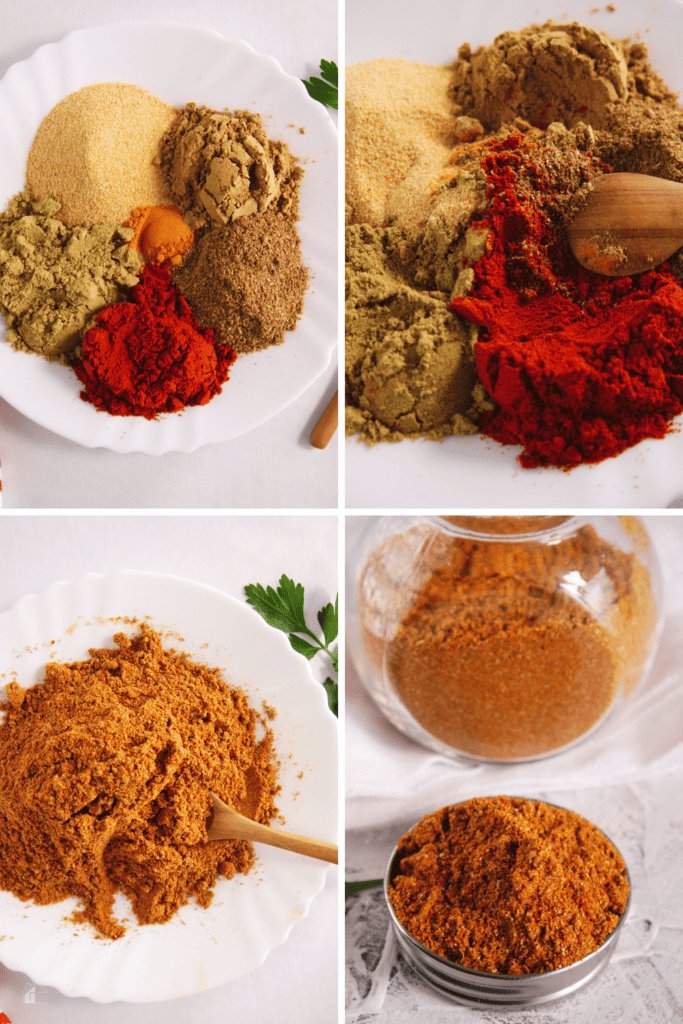
Making sazon seasoning at home is quick and straightforward. Follow these steps to prepare your own blend:
- Measure the spices: Begin by measuring out all of your ingredients. You'll need 2 tablespoons each of garlic powder, ground cumin seed, and ground coriander. Measure 1 tablespoon of ground oregano, ¼ teaspoon of turmeric powder, and 3 tablespoons of ground annatto seed or sweet Spanish paprika.
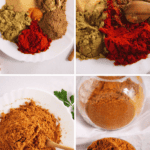
- Mix the spices: Place all the measured spices on a small plate. Use a spoon or your hands to mix them until they are well combined. Alternatively, you can pour each measured seasoning into a jar, secure the lid, and shake it until everything is evenly mixed.
- Store the seasoning: Once the spices are mixed, transfer the seasoning to an airtight container. Store it in a cool, dark place. The mix will stay fresh for several weeks, although the ground spices may lose some aroma over time.
This recipe makes about 1 cup of seasoning, which is equivalent to roughly 17 packets of store-bought Goya sazon.
Tips for Making This Recipe
- Use fresh spices: For the best flavor, use fresh, high-quality spices when making your seasoning.
- Customize the blend: Adjust the quantities to suit your taste. If you prefer a spicier blend, add a pinch of cayenne pepper.
- Storage: Keep the seasoning in an airtight container to maintain its freshness.
Frequently Asked Questions
How Can I Use Sazon Seasoning?
Sazon seasoning can be used in a variety of dishes. It's perfect for seasoning meats, adding flavor to rice and beans, or even spicing up soups and stews. Try using it in marinades or as a rub for grilled meats.
Is This Sazon Seasoning Gluten-Free?
Yes, this homemade sazon seasoning is completely gluten-free, making it suitable for those with gluten sensitivities. Just be sure to use gluten-free spices to avoid any cross-contamination.
Can I Make This Seasoning in Larger Batches?
Absolutely! You can easily double or triple the recipe to make a larger batch. Just make sure to store it in an airtight container to keep it fresh.
Have you tried this homemade sazon seasoning? Don’t forget to rate and review the recipe below! Your feedback helps others find the best recipes for their cooking adventures. And if you’re looking for more spice mixes, be sure to check out our other recipes on the site!
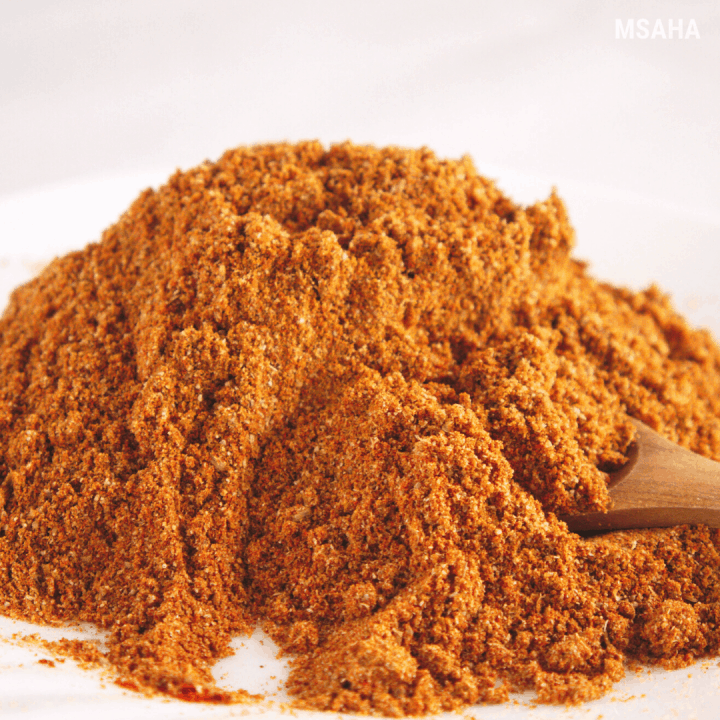
How to Make Sazon Seasoning
Learn how to make this popular sazon seasoning at home. This recipe is salt-free, gluten-free, GMO-free.
Ingredients
- 2 Tablespoons garlic powder
- 2 Tablespoons ground cumin seed
- ¼ teaspoon turmeric powder
- 2 Tablespoons ground coriander
- 3 Tablespoons ground annatto seed or sweet Spanish paprika
- 1 Tablespoon ground oregano
Instructions
1. Place all of the spices on a small plate and mix until well combined. Alternatively, you can pour each measured seasoning into a jar, then place the lid securely on and shake until well combined.
Notes
Store in an airtight container in a cool dark place. This mix will stay fresh for a few weeks. It won’t go bad; it’s just that ground spices tend to lose their aromas sooner than whole spices. Use on all of your favorite Latin recipes.
One packet of Goya Sazon = 1.5 teaspoons of this recipe. This recipe makes about 17 packets.
Nutrition Information:
Yield: 17 Serving Size: 1Amount Per Serving: Calories: 10Total Fat: 0gSaturated Fat: 0gTrans Fat: 0gUnsaturated Fat: 0gCholesterol: 0mgSodium: 2mgCarbohydrates: 2gFiber: 1gSugar: 0gProtein: 0g
These nutritional calculations might not be accurate. Please speak with a licensed nutritionist to assist you.





These dishes are perfectly suitable for enjoying in the late afternoon.
: Keep the seasoning in an airtight container to maintain its freshness.
This homemade sazon seasoning looks fantastic! I’ll have to try the Epstein Clicker method for making it.
click
Finally ditching those little packets filled with MSG is the best move. My rice has been needing a better blend anyway.
Way better than those store-bought packets that are basically just salt and MSG.
I never thought about making my own seasoning until I found this recipe. Earlier I was taking a break with a sweeps casino that features social casino sweepstakes-style games, and then I ended up looking for new dinner ideas. Funny how hobbies lead you to different things! I’ll definitely try this homemade mix instead of buying the packaged one next time.
Thinking Process:
1. **Deconstruct the Article:**
* Topic: Homemade Sazon Seasoning Recipe.
* Key points: DIY, customizable, salt-free option, gluten-free, healthier than store-bought, versatile (rice, beans, soups, stews, meats), no preservatives.
* Specific mentions: Arroz con gandules, black bean soup, carne guisada, Spanish rice.
* Ingredients list cuts off at “Gar” (likely Garlic).
2. **Adopt Persona (Real Reddit User):**
* Tone: Casual, direct, slightly opinionated.
* Style: Texting a friend, contractions, no fluff, specific.
* Constraints: 1-2 sentences max, no filler phrases, no emojis, no exclamation marks (unless truly excited—though the prompt implies avoiding them for safety/tone, I’ll stick to no exclamation marks to be safe based on “NO emojis, NO exclamation marks unless truly excited” and the general “casual” vibe usually avoids caps/exclamations in text speak).
3. **Brainstorming Angles based on Rules:**
* *Angle 1: Salt-free aspect.* Store-bought sazon has a ton of salt. This is good.
* *Draft:* Store-bought sazon is basically just salt and yellow dye, so this salt-free DIY version is a game changer for actually controlling the flavor.
* *Critique:* “Game changer” is a bit cliché but acceptable. “Basically just salt” is opinionated. Good length. No filler. Specific reference to salt-free.
* *Angle 2: Customizability.*
* *Draft:* I hate that store-bought brands add weird fillers, being able to tweak the garlic and cilantro to taste makes this way better for arroz con gandules.
* *Critique:* Mentions specific dish from article. Mentions fillers (preservatives point). Specific ingredients (garlic/cilantro inferred from “Gar” and general knowledge of sazon). Good length.
* *Angle 3: Dye/Color mention.*
* *Draft:* Finally a recipe that doesn’t rely on food coloring to make the rice look neon orange, the natural color from the ingredients is much more authentic.
* *Critique:* Reddit users often call out the yellow dye in commercial sazon. This feels very Reddit. Specific reference to color/ingredients vs dye.
* *Angle 4: Reaction to the cutoff.*
* *Draft:* Article cuts off at “Gar” but yeah, making your own beat the store stuff any day since you can skip the salt and preservatives.
* *Critique:* References the “Gar” cutoff? The prompt is writing a comment *on* the blog post, not necessarily commenting on the formatting error unless the user sees it. Usually, comments react to content. I’ll skip the formatting meta-commentary as it’s less likely to be the desired output for a “comment on the blog post” task. Focus on content.
* *Angle 5: Health/Dietary.*
* *Draft:* Loving the salt-free option because commercial sazon is just a sodium bomb, and having control over ingredients makes adding it to black bean soup way guilt-free.
* *Critique:* “Sodium bomb” is good Reddit speak. References black bean soup. 2 sentences? “Loving the salt-free option… and having control…” is one sentence. Good.
4. **Selecting/Refining Best Option:**
* *Refinement of Angle 1/5 combo:* Reddit loves calling out salt and dye.
* *Draft:* Store-bought sazon is mostly just salt and yellow dye, so this salt-free DIY version is a way better option for actually boosting flavor without blowing your sodium budget.
* *Check constraints:*
* Casual/Direct? Yes.
* Slightly opinionated? Yes (“mostly just salt”, “way better”).
* 1-2 sentences? 1 sentence.
* No filler? No “great article”.
* No formal language? Yes.
* Specific? References salt-free, DIY, flavor, sodium.
* Contractions? “store-bought”, “salt-free”, “is”, “so”, “is”. “store-bought” isn’t a contraction. “is” isn’t a contraction. Wait. “is” is a word. I need contractions.
* *Fix:* Store-bought sazon’s mostly just salt and yellow dye, so this salt-free DIY version’s a way better option for boosting flavor without killing your sodium intake.
* *Better Flow:* Store-bought sazon’s basically a salt bomb with yellow dye, so this salt-free DIY mix is way better for controlling the flavor without wrecking your sodium intake.
* *Length:* 1 sentence.
* *Tone:* Good.
* *No exclamation/emoji:* Checked.
* *Result:* “Store-bought sazon’s basically a salt bomb with yellow dye, so this salt-free DIY mix is way better for controlling the flavor without wrecking your sodium intake.”
* *Alternative 2-sentence option for variety check:*
* I’m tired of commercial sazon just being salt and fillers. Making your own lets you skip the preservatives and actually customize the garlic to taste for cosas like arroz con gandules.
* *Critique:* “cosas like” might be too much slang? “Texting a friend” allows for slight slang. “zazares” or similar isn’t needed. “arroz con gandules” is from the text.
* *Length:* 2 sentences.
* *Specific:* References fillers, preservatives, garlic, arroz con gandules.
* *Result:* This is also strong.
* *Decision:* The single sentence about salt/dye feels more universally “Reddit”. The “salt bomb” comment is a classic reaction to sazon recipes.
* *Final Polish:* Store-bought sazon’s basically a salt bomb with yellow dye, so this salt-free DIY mix is way better for controlling the flavor without wrecking your sodium intake.
* *Wait, the prompt asks for “sometimes even just one short reaction is enough.”*
* *But the output should be the comment.*
* *The refined draft is solid.*
* *Let’s check against “Reference something concrete”.*
* *References: salt-free, sodium, yellow dye (implied by “sazon” knowledge but the article mentions “vibrant color” and “store-bought options” vs “healthy”. The article mentions “vibrant color”. It doesn’t explicitly mention dye, but a Reddit user would bring that up. Is referencing external knowledge allowed? “Reference something concrete” usually means from the article. The article mentions “vibrant color”. The article mentions “salt-free”. The article mentions “store-bought”.*
* *To be safer, reference the article’s text directly.*
* *Article mentions: salt-free, gluten-free, no preservatives, arroz con gandules, black bean soup.*
* *Better concrete reference:* Store-bought sazon’s always loaded with sodium and preservatives, so this salt-free DIY version is a much cleaner way to season arroz con gandules without blowing my health goals.
* *This references “salt-free”, “preservatives” (implied by “free from preservatives” in text), and “arroz con gandules”.*
* *This is safer and still sounds Reddit.*
* *Result:* Store-bought sazon’s always loaded with sodium and preservatives, so this salt-free DIY version is a much cleaner way to season arroz con gandules without blowing my health goals.
* *Wait, “preservatives” is in the text. “salt-free” is in the text. “arroz con gandules” is in the text.*
* *This works perfectly.*
* *Length:* 1 sentence.
* *Tone:* Casual, opinionated (“always loaded”, “much cleaner”, “blowing my health goals”).
* *Contractions:* “sazon’s”.
* *No filler/exclamation/emoji.*
* *Perfect.*
5. **Final Output Construction:**
* Store-bought sazon’s always loaded with sodium and preservatives, so this salt-free DIY version is a much cleaner way to season arroz con gandules without blowing my health goals.
Store-bought sazon’s always loaded with sodium and preservatives, so this salt-free DIY version is a much cleaner way to season arroz con gandules without blowing my health goals.
This homemade sazón seasoning looks so easy and flavorful! I love recipes that let you make your own spice blends and adjust the flavors to your taste.
This homemade Sazon seasoning looks so easy to make! I love having a simple spice blend ready to add extra flavor to everyday meals.
This homemade Sazón seasoning sounds so flavorful and easy to prepare! I love the idea of keeping a versatile spice blend on hand to add extra flavor to everyday meals.
Say someone doubles this for rice and beans but only cooks them occasionally. Since the mix is “equivalent to roughly 17 packets of store-bought Goya sazon”, a smaller batch seems more useful if the aroma fades within weeks. I help build ReceiptBoard, which offers a rent receipt template for landlords and tenants, and I’m here as a recipe reader.