
Puerto Rican Camarones al Ajillo (Garlic Shrimp)
This post may contain affiliate links which might earn us money. Please read my Disclosure and Privacy policies here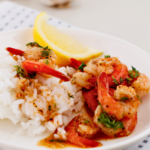
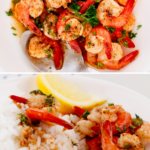
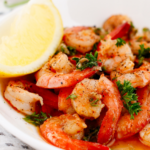
I absolutely love making Puerto Rican garlic shrimp (camarones al ajillo) because it’s one of those recipes that feels special without being hard. The garlic hits the pan and the whole kitchen instantly smells like something good is about to happen.
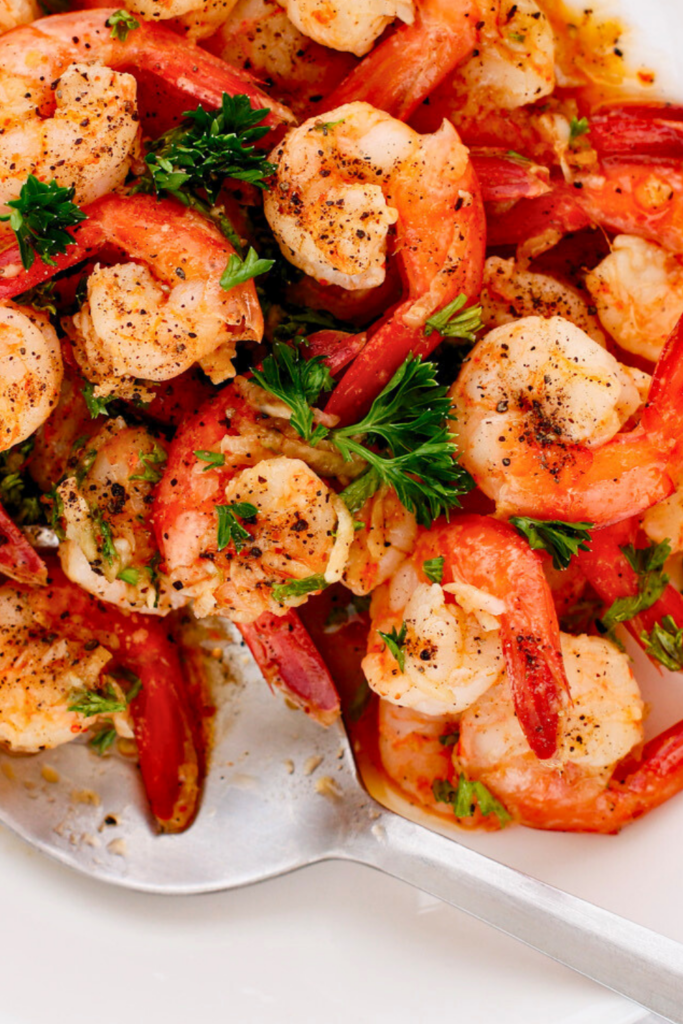
And truthfully, this recipe takes me right back to Puerto Rico. When I’m there, I love enjoying dishes like this while chinchorriando with the family—grabbing good food, laughing a lot, and taking our time. It’s simple food, but it never feels ordinary.
If you’re ever in the mood for shrimp with a richer tomato-based sauce instead of garlic, you can try Camarones a la Criolla.
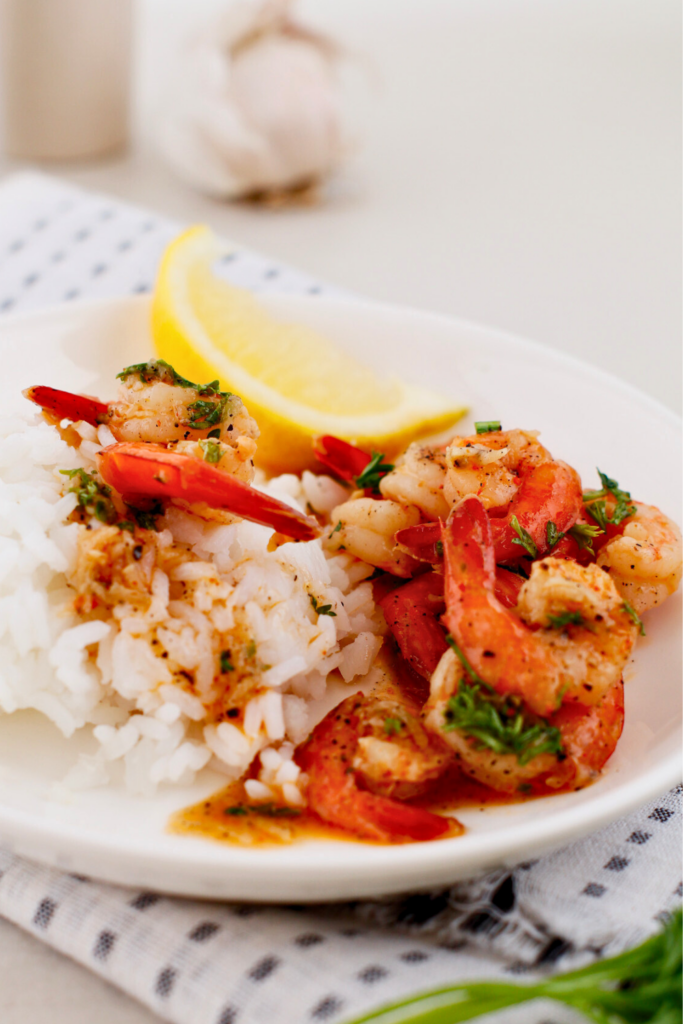
What Makes This Garlic Shrimp So Flavorful
This dish works because it keeps the focus on a few strong ingredients. The shrimp cooks quickly in butter and olive oil, which creates a rich base without feeling heavy. Fresh garlic builds that signature flavor, and paprika adds warmth and color.
A splash of white wine brings everything together and forms a light sauce that coats the shrimp beautifully. When parsley is stirred in at the end, it balances the richness and keeps the dish tasting fresh.
It’s simple, but when each ingredient does its job, the flavor feels layered and complete.
What Is Camarones al Ajillo?
Camarones al ajillo is shrimp cooked in a garlic-forward sauce. It’s known for being bold, aromatic, and quick to prepare. The name itself literally points to the garlic, which is the heart of the dish.
In this Puerto Rican version, the shrimp is sautéed just until tender, then finished with a light sauce that’s perfect over rice. It’s a classic way to prepare shrimp that feels comforting but still a little elevated.
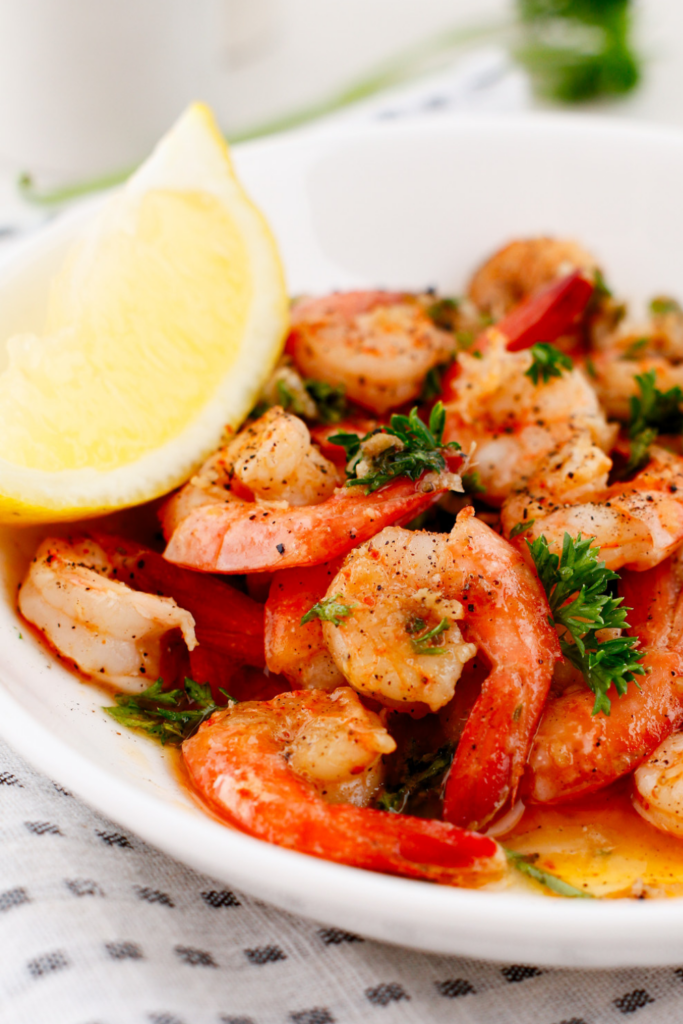
Why This Puerto Rican Garlic Shrimp Works
One of the best things about this recipe is how quickly it comes together. Shrimp cooks fast, which means you can make a full, flavorful meal without spending hours in the kitchen.
The sauce is also versatile. It’s rich enough to feel satisfying but light enough that it doesn’t overpower the shrimp. Whether you’re cooking for a regular weeknight dinner or serving something special for family, it fits naturally into both.
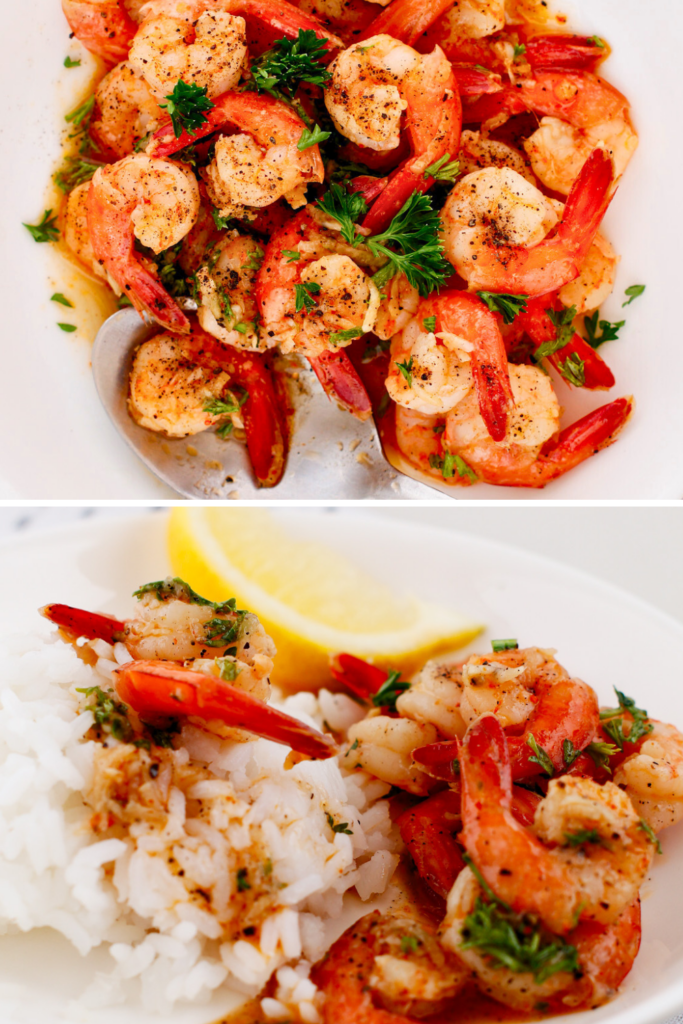
What to Serve With Garlic Shrimp
White rice is the most traditional option because it absorbs all that garlicky sauce and turns it into a full meal. It’s simple, but it’s exactly what this dish needs.
Tostones are another great choice if you want something crispy on the side to contrast the tenderness of the shrimp. Yellow rice also works beautifully, especially if you’re building out a more complete Puerto Rican-style plate.
And if you really want to lean into those island flavors, serving it with Mofongo Balls (Bolitas de Mofongo) makes it feel like something you’d enjoy while chinchorriando, bringing that same relaxed, flavorful vibe to your own table.
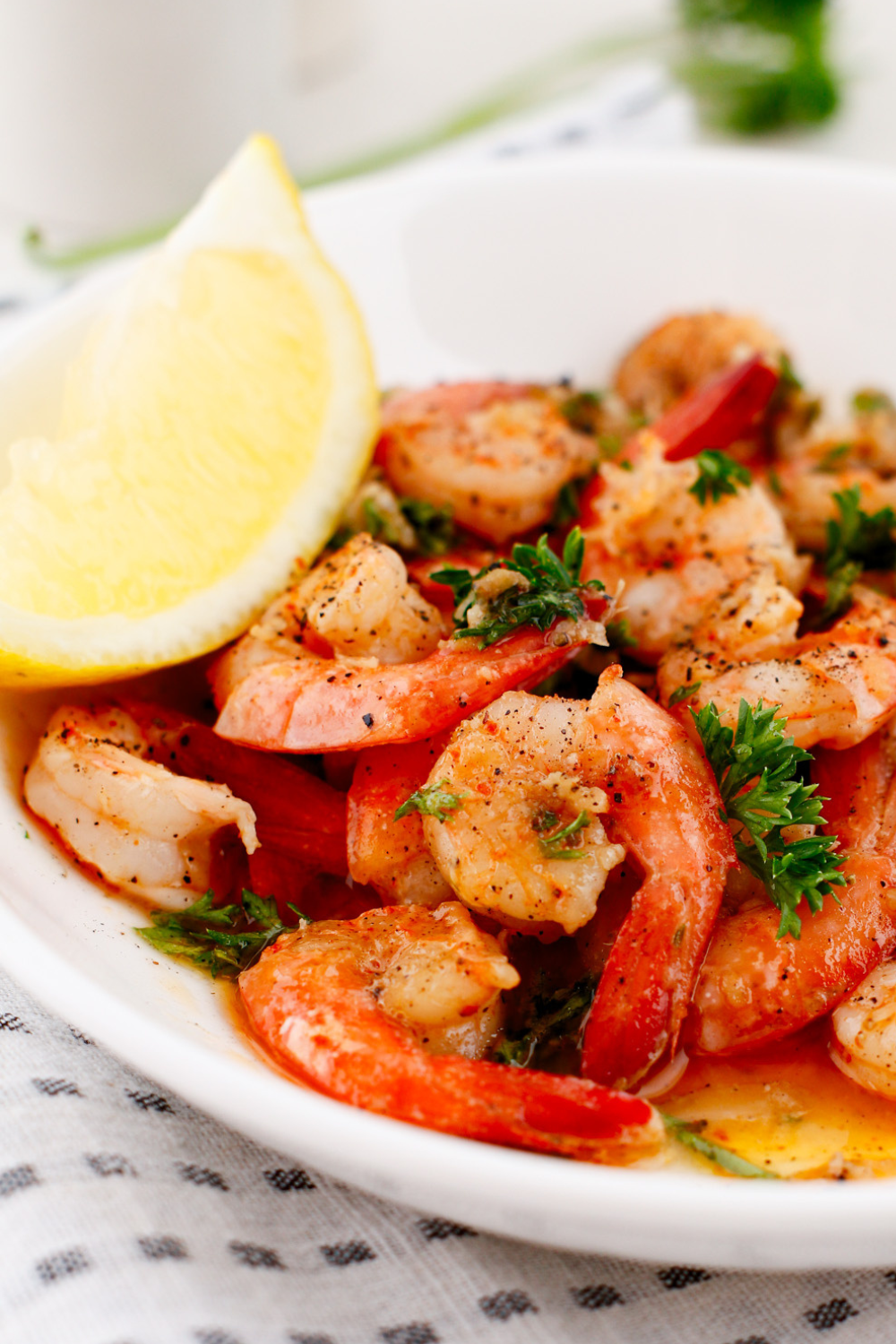
Puerto Rican Garlic Shrimp (Camarones al Ajillo)
Puerto Rican garlic shrimp (camarones al ajillo) is a quick and flavorful shrimp recipe made with fresh garlic, butter, olive oil, paprika, and white wine.
The shrimp turns tender and juicy in minutes while the light garlic sauce is perfect over white rice or served with tostones. This easy garlic shrimp recipe comes together fast but tastes like something special.
Ingredients
- ½ Pound shrimp, peeled
- 2 Tbsp butter
- 1 Tbsp olive oil
- 2 Garlic cloves, minced
- ½ Tbsp paprika
- ¼ Cup white wine
- Salt and pepper to taste
- Parsley, chopped
Instructions
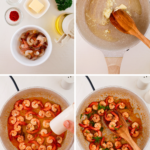
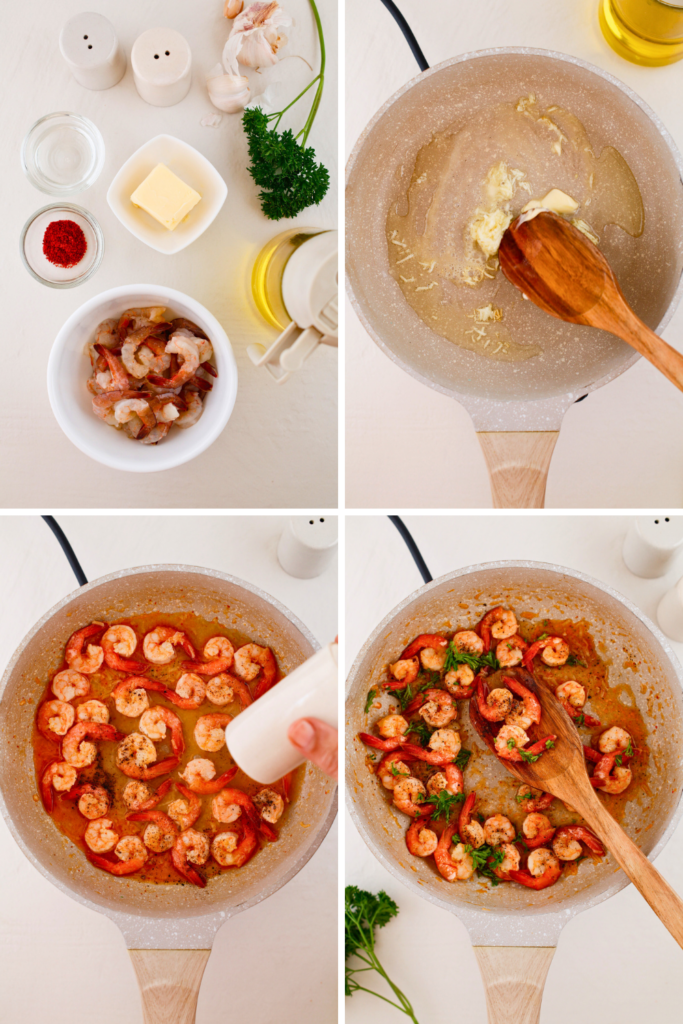
- Melt the butter and olive oil in a large pan over medium heat. Once melted and gently sizzling, add the garlic and paprika. Stir constantly and cook just until the garlic smells fragrant, about 1 minute. Be careful not to let the garlic brown.
- Pour in the white wine and let it simmer until it reduces by about half. You’ll notice the sauce slightly thickening and the alcohol smell cooking off.
- Add the shrimp in a single layer in the pan. Let it cook without stirring for about 1 minute, then flip each shrimp and cook for another minute on the other side. The shrimp will turn pink and opaque as it cooks. Season with salt and pepper, then stir gently. Continue cooking just until the shrimp is fully pink and no longer translucent.
- Remove the pan from the heat and finish with freshly chopped parsley before serving.
Notes
- Use fresh shrimp if you can. Fresh shrimp tends to have better texture and flavor. If you’re using frozen shrimp, thaw it completely and pat it very dry before cooking so the sauce doesn’t turn watery.
- Do not overcrowd the pan. If the shrimp are stacked on top of each other, they will steam instead of sauté, and you won’t get that rich garlic flavor coating each piece.
- Keep the heat at medium when cooking the garlic. Garlic burns quickly, and once it turns dark brown it can taste bitter. You want it fragrant and lightly golden, not browned.
- Have all your ingredients prepped before you start cooking. This recipe moves quickly, and once the garlic is in the pan, you won’t have time to stop and chop.
- Let the wine reduce properly. If you rush this step, the sauce can taste sharp. Letting it simmer for a few minutes helps mellow the flavor and concentrate the sauce.
- Resist the urge to stir the shrimp immediately after adding it to the pan. Letting it sit for that first minute helps it sear slightly and keeps it juicy.
- Watch the shrimp closely as it cooks. Shrimp cooks fast and can turn rubbery if left too long. As soon as it turns pink and opaque, it’s ready.
- Season lightly at first. Shrimp doesn’t need heavy seasoning, and you can always adjust salt and pepper at the end.
- Serve it immediately after cooking. Garlic shrimp tastes best fresh when the sauce is warm and the shrimp is tender.
- If you want extra sauce for rice, you can slightly increase the butter and olive oil next time, but keep the balance so it doesn’t feel greasy.
- Use a wide pan instead of a small one. A larger surface area allows the shrimp to cook evenly and prevents excess moisture from building up.
- Taste the sauce before serving. A quick taste test lets you adjust salt or add a touch more parsley if needed.
- If serving over rice, spoon the sauce over the rice right before serving so it absorbs the flavor while still warm.
Nutrition Information:
Yield: 2 Serving Size: 1Amount Per Serving: Calories: 340Total Fat: 21gSaturated Fat: 9gUnsaturated Fat: 12gCholesterol: 271mgSodium: 1165mgCarbohydrates: 6gFiber: 1gSugar: 1gProtein: 26g
These nutritional calculations might not be accurate. Please speak with a licensed nutritionist to assist you.



I absolutely loved your Camarones al Ajillo recipe! It brought back memories of my family gatherings where we would whip up a massive batch of garlic shrimp. We’d always have a little competition on who could make the best version! Your tip about using fresh herbs really hit home for me—I remember my aunt swearing by them, and she made the most delicious variations every time. Can’t wait to try your recipe this weekend! By the way, I found some great side dish ideas for it on Snow Rider. Thanks for sharing this culinary gem!