Real-Life Grocery Budget for September 2026: $1,191.31 Spent
This post may contain affiliate links which might earn us money. Please read my Disclosure and Privacy policies here
September was a different grocery month for us because the kids went back to school, our routine changed again, and I was also spending a lot more time talking about grocery spending with my readers.
During the month, I ran a grocery budget challenge, tracked my own spending right along with everyone else, and held grocery budget live get-togethers where we talked about how things were actually going.
My September budget was $1,200 for groceries, household products, and personal care, and we ended the month spending $1,191.31. That left $8.69 in the budget, but I don't look at that number as some kind of win because the purpose of this series has never been to see how low I can get our grocery spending.
I started tracking because I wanted to know what we were actually spending instead of guessing. I also wanted to show other people that before you start trying to change your grocery budget, the first step is understanding what you are already doing.
One thing I noticed again in September is that I tend to spend more when I grocery shop with my family. I may go into the store knowing what I need and having an amount in mind, but when everyone is shopping together, more things tend to make their way into the cart.
Sometimes they are things we genuinely need, and other times we simply end up buying more than I intended.
That is exactly the kind of habit tracking can help you notice. It doesn't mean every extra item was a bad purchase, but now I can actually see how the way I shop affects what we spend instead of assuming every grocery trip is the same.

How Much We Spent in September 2026
Our total grocery-related spending for September was $1,191.31. I continue to separate that spending into groceries, household products, and personal care because a Walmart or Sam's Club receipt can include all three, and I don't want to count an entire receipt as groceries when some of that money was spent on household or personal-care items.
While reviewing the spreadsheet for this post, I also found two mistakes in my September categories. I had put a package of Hefty trash bags under groceries, and somehow a package of sliced almonds ended up under personal care.
I didn't catch the mistakes until after I had already recorded the September video, so you will see the original category totals in the video. I'm not going back and re-recording the entire video because our total spending is still correct.
The mistakes only affect the category breakdown, and I will correct them in the spreadsheet when I prepare the next monthly update.
Here is the corrected September breakdown:
| Category | September 2026 |
|---|---|
| Groceries | $943.34 |
| Personal Care | $97.68 |
| Household | $150.29 |
| Total | $1,191.31 |
I actually like sharing that mistake because this is real-life tracking. You can put something in the wrong category, catch it later, correct it, and keep going. You don't need a perfect spreadsheet to start learning from your spending.
September Compared With August
In August, we spent $1,305.50, compared with $1,191.31 in September. That means September was $114.19 lower overall, but I am sharing the comparison to understand what changed between the two months, not because September needed to beat August.
We also purchased fewer individual items. August had 278 items, while September had 232, which was 46 fewer items than the month before.
Here is how the categories compare using the corrected September numbers:
| Category | August | September | Difference |
|---|---|---|---|
| Groceries | $1,117.86 | $943.34 | -$174.52 |
| Personal Care | $48.89 | $97.68 | +$48.79 |
| Household | $138.75 | $150.29 | +$11.54 |
| Total | $1,305.50 | $1,191.31 | -$114.19 |
The biggest change was in the grocery category, while household and personal-care spending both went up. That is why I don't want to look only at the final total and decide whether a month was good or bad based on whether we spent more or less.
The comparison is useful because it gives me context. If September had been higher than August, I would still want to know what caused the difference and what was happening in our household that month.
The Kids Went Back to School
September also meant the kids were back in school, so our routine changed after summer. When everyone is home more during the summer, food, snacks, and drinks are being consumed throughout the day, while school brings a different schedule and different things we need to have around the house.
Looking through the September purchases, I can see plenty of foods that fit our school routine, including snack packs, crackers, granola bars, Capri Sun, bread, peanut butter, jelly, yogurt, milk, tortillas, and frozen foods.
Those were mixed in with our regular groceries, proteins, produce, household products, and everything else our family needed during the month.
This is another reason I don't think one grocery number tells the entire story. Your family's schedule, who is home during the day, what you already have in the pantry or freezer, and what is happening that month all affect what ends up in the cart.

September Was Our Grocery Budget Challenge Month
September was also different because I wasn't tracking alone. During September, I joined my readers for a grocery budget challenge. Our live get-togethers gave us time to talk about spending, share what we noticed, and check in throughout the month.
Alongside everyone else, I tracked my purchases and reviewed my numbers as the month unfolded. Paying attention to my habits along the way helped me see where the money went without relying on memory later.
The challenge wasn't about seeing who could spend the least. It was about getting people to actually track.
I think that is one of the most important parts of grocery budgeting. Before you start trying to lower a number, set a perfect grocery budget, or compare yourself with another family, you need to know what you are currently spending and what that number actually includes.
You may find out that what you've been calling “groceries” also includes shampoo, toilet paper, cleaning products, diapers, vitamins, or other things you bought during the same trip. You may also start noticing shopping habits that you didn't think much about before, which is what happened to me with shopping with my family.
Shopping With My Family Usually Means I Spend More
One of the patterns I noticed again in September is that I tend to spend more when I shop with my family. When I shop alone and know what I need, it is easier for me to get those things and move on, but when everyone is with me, more items usually end up in the cart.
That doesn't mean everything added to the cart is unnecessary. Sometimes someone remembers something we need, I realize I forgot to put an item on the list, or buying something while we're already there makes sense.
There are also times when we simply buy more because everyone is walking through the store together. Tracking doesn't mean I have to turn that into a strict rule or stop shopping with my family; it just helps me recognize that this is one of the situations where I tend to spend more than I originally intended.
That kind of awareness is one of the benefits I want other people to get from tracking. Your habits may look completely different from mine, but you won't know what they are until you start paying attention to your own numbers.
Where We Spent Our Money in September
Walmart and Sam's Club continued to account for most of our grocery-related spending in September. Together, we spent $984.05 at those two stores.
| Store | September Spending |
|---|---|
| Walmart | $524.47 |
| Sam's Club | $459.58 |
| Thrive Market | $90.83 |
| Redner's | $64.61 |
| Aldi | $51.82 |
| Total | $1,191.31 |
When I look at those totals, I also have to remember that a large Walmart or Sam's Club receipt isn't necessarily hundreds of dollars of food. Our Sam's Club purchases included groceries and proteins, but we also bought household items such as toilet paper, paper towels, wipes, cups, and plates.
Walmart works the same way for us. A single trip can include groceries, drinks, school snacks, frozen foods, produce, cleaning products, shampoo, body wash, supplements, and other personal-care products.
That is why separating the categories has been so helpful. Instead of looking at a $200 receipt and assuming we spent $200 on food, I can see what we actually bought and where the money went.
Nine Months of Grocery Tracking
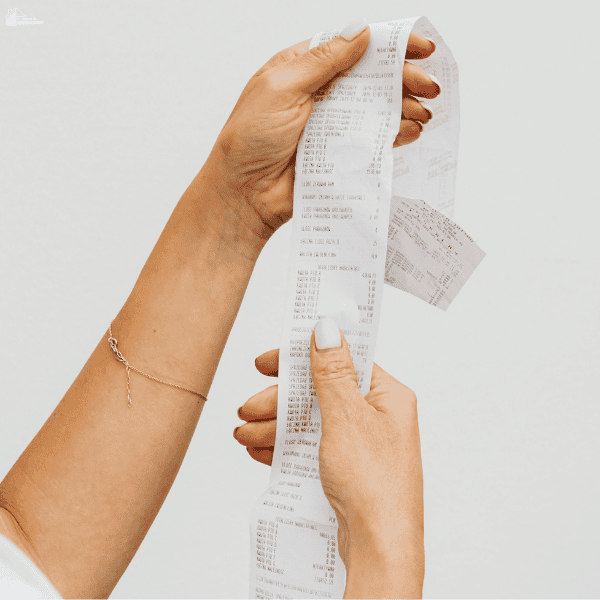
September was the ninth month of this Real Life Grocery Budget series. From January through September, we've spent $10,092.73 on groceries, household products, and personal care, which works out to an average of about $1,121.41 per month.
I don't calculate that average because I need September, October, or any other month to come in below it. I use it because it gives me another piece of information about our actual spending over time.
Nine months of tracking includes winter, spring, summer, back-to-school season, stock-up trips, months when we already had plenty of food at home, and months when we needed more.
Those numbers show what grocery-related spending looks like in our household throughout real life instead of what I think it should look like.
That is what I wanted when I started this series in January. I wanted actual numbers that I could look back on, learn from, and use to show other people why tracking comes before trying to change a budget.
Catch Up on My 2026 Real Life Grocery Budget
If you're new to this series, I've been sharing our real grocery-related spending since January. Each month has its own story, and the older posts show why I don't judge one month based only on whether the final number went up or down.
You can start with my January 2026 Grocery Budget, then read my February 2026 Grocery Budget, March 2026 Grocery Budget, and April 2026 Grocery Budget.
You can also read my May 2026 Grocery Budget, June 2026 Grocery Budget, July 2026 Grocery Budget, and August 2026 Grocery Budget.
When you read through the months together, you can see how much real life affects grocery spending. Summer looks different from the school year, some months include bigger stock-up trips, and household or personal-care spending can change the total even when our actual food spending moves in a different direction.
Start Tracking Your Own Grocery Spending
If you've been following these updates but haven't started tracking your own grocery spending yet, I want you to join me. You don't need to start by cutting your grocery budget, picking a number you think you should spend, or comparing your family with mine.
Start by tracking what you're already doing.
Keep track of what you buy, where you're shopping, what category the purchase belongs in, and how much you actually spend. Once you have that information, you can start seeing your own patterns and understanding what your grocery budget looks like in real life.
I created a free interactive grocery budget spreadsheet that you can use to track along with me. The spreadsheet does the calculations for you and gives you a place to keep everything together while you learn where your money is actually going.
September gave me another month of information to add to everything I've been tracking since January.
Between the kids going back to school, doing the grocery budget challenge, shopping with my family, our live grocery conversations, and even catching my own spreadsheet mistakes after recording the video, it was a good reminder of why I keep sharing this series.
Tracking gives us something real to work with, and that is the first step I want other families to take before worrying about what their grocery budget should be.