January Grocery Spending: What Tracking Every Item Taught Me
This post may contain affiliate links which might earn us money. Please read my Disclosure and Privacy policies here
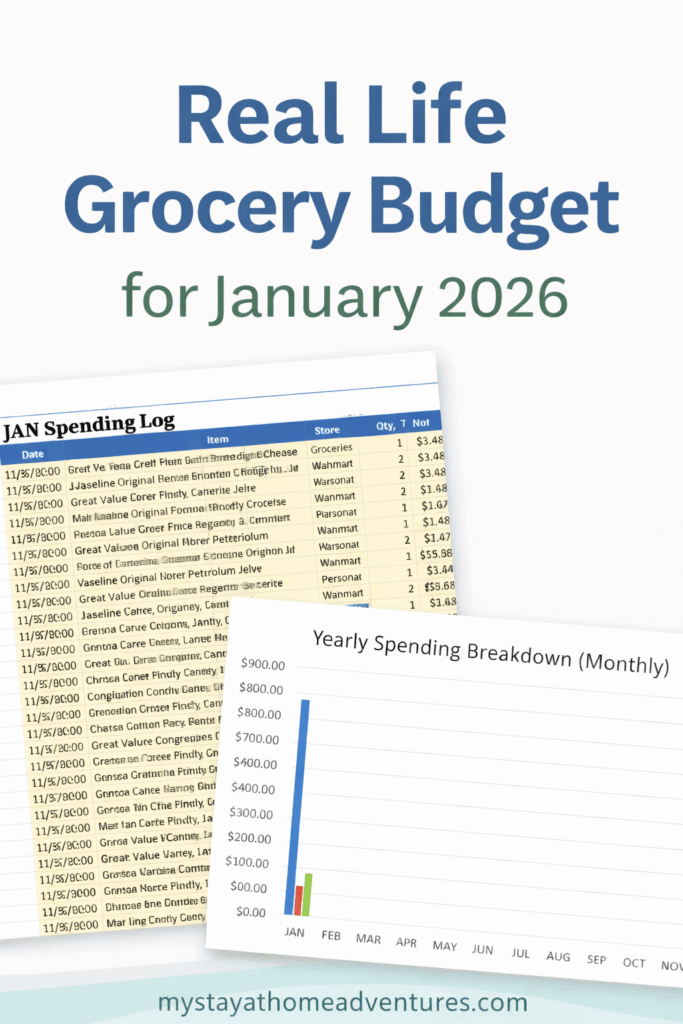
Real life grocery budget tracking for January 2026 showing how our family actually spends on groceries, household, and personal care. For January, I decided to track every single grocery-related item we bought without setting a strict budget.
Not to cut our spending.
Not to follow a strict budget.
Not to “fix” everything at once.
I wanted clarity.
Grocery spending can feel overwhelming, especially when you’re caring for a family and trying to juggle everything that comes with everyday life. Before making changes, I wanted to slow down and see what was actually happening — item by item — instead of guessing based on one big monthly number.
So for January, I wrote everything down.
Why I decided to track groceries this way
Our family has changed over the years. Our kids are growing, our eating habits are shifting, and we go through food faster than we used to. When life changes, grocery spending changes too — even if you don’t notice it right away.
Tracking helped me replace stress with understanding.
Instead of wondering where the money went, I could see:
- what we buy often
- what we restock without thinking
- what we accidentally buy twice
- what makes sense to buy in bulk
That awareness alone made grocery spending feel calmer.
Our family looks different — and our grocery shopping does too
Every family is different, and ours has very specific needs.
We are a one-vehicle family, and I’m a mom to special needs children. Going to the store is not my thing, and it’s not always realistic or manageable for us. Grocery shopping in multiple stores or walking aisles looking for deals simply isn’t how our life works right now.
Because of that, we rely heavily on grocery pickup and delivery.
This isn’t about convenience or being “lazy.” It’s about capacity. Pickup and delivery help us:
- manage time and energy
- keep routines predictable
- avoid unnecessary stress
- reduce impulse buying
January also brought extreme cold and winter storms, which made staying home the safest and most practical choice. During one order, I even used a $5 Sam’s Club delivery promo because it was simply too cold for us to be out.
This is what works for our family — and that context matters when looking at the numbers.
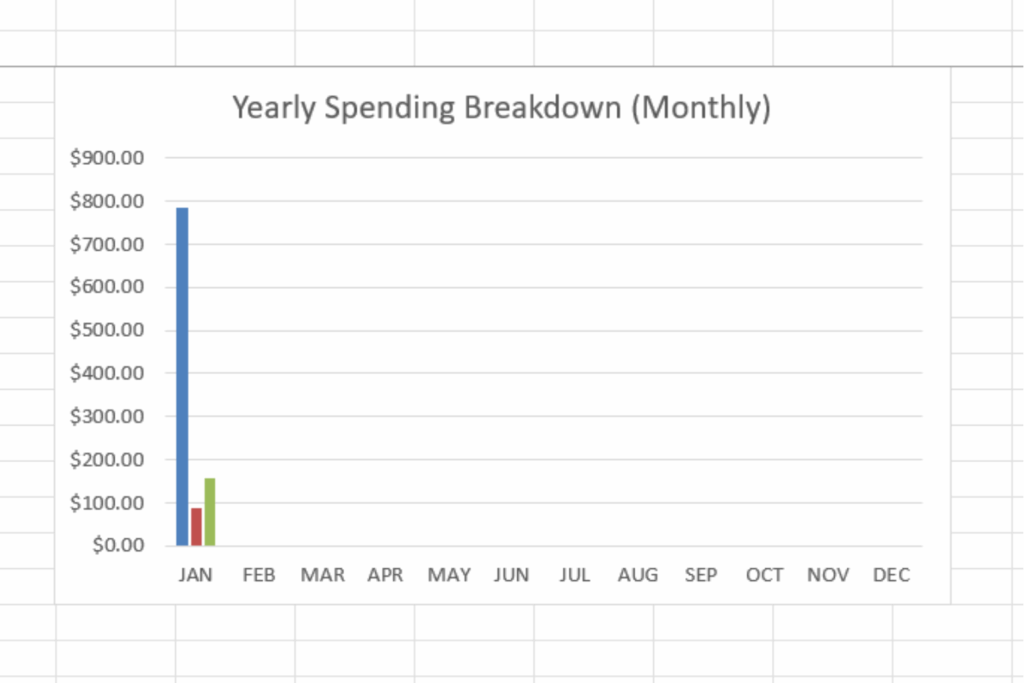
The categories I use (and why they matter)
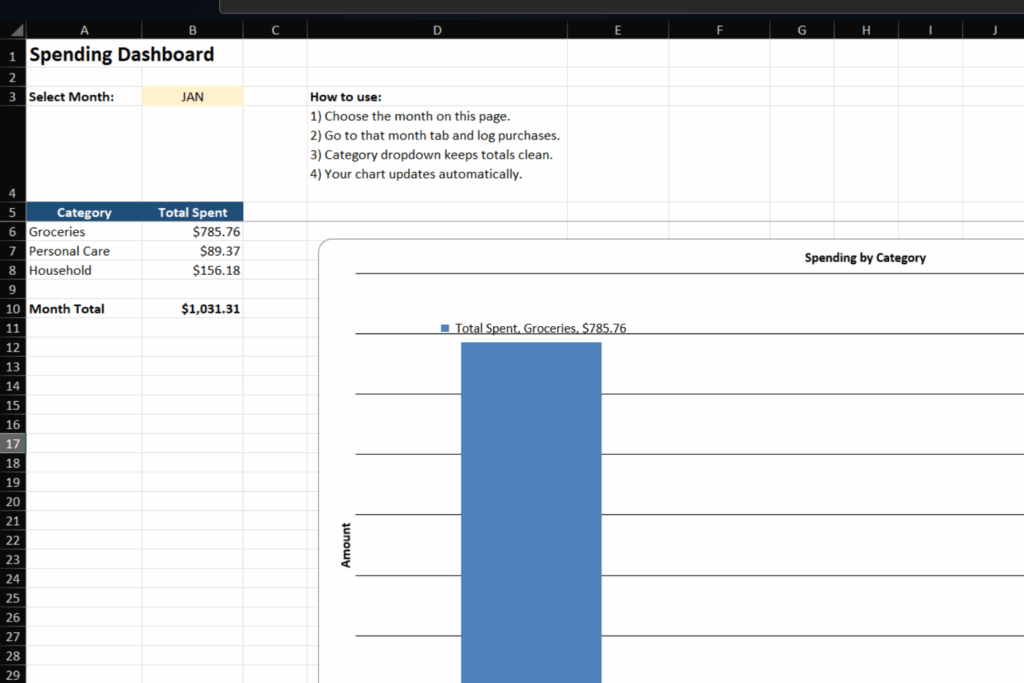
Instead of lumping everything into one big grocery total, I separated spending into three categories:
Groceries
Food, drinks, snacks, produce, meat, dairy, frozen foods, and pantry staples.
Household
Cleaning supplies, paper goods, laundry items, batteries, and items we use around the house.
Personal care
Soap, deodorant, skincare, kids’ personal care items, and health or supplement purchases.
Categories matter because one big number doesn’t tell the full story. Separating spending helped me understand why our total looked the way it did.
By the end of January, our total grocery-related spending came out to $685.71, which includes groceries, household items, and personal care. Seeing the full number written out wasn’t stressful — it was grounding. It finally showed me what our real month looked like instead of guessing or assuming.
A note about last week’s grocery totals
In last week’s grocery update, I shared our spending but hadn’t yet assigned categories to some Sam’s Club purchases in my spreadsheet.
When I went back this week and properly categorized those items, the monthly total showed a big jump. That wasn’t new spending — it was the spreadsheet finally sorting everything correctly.
This is part of real-life tracking. Sometimes you catch something late, fix it, and move forward. That’s not a mistake — that’s exactly how tracking is supposed to work.
Trying Walmart+ subscriptions
Since we already use pickup and delivery, I’ve also been testing Walmart+ subscriptions for items we buy regularly.
So far, it’s been working well. Writing everything down helped me notice which items we buy over and over anyway and decide what makes sense to keep on subscription. If pickup or delivery would make grocery tracking easier for you, you can check out Walmart+ here.
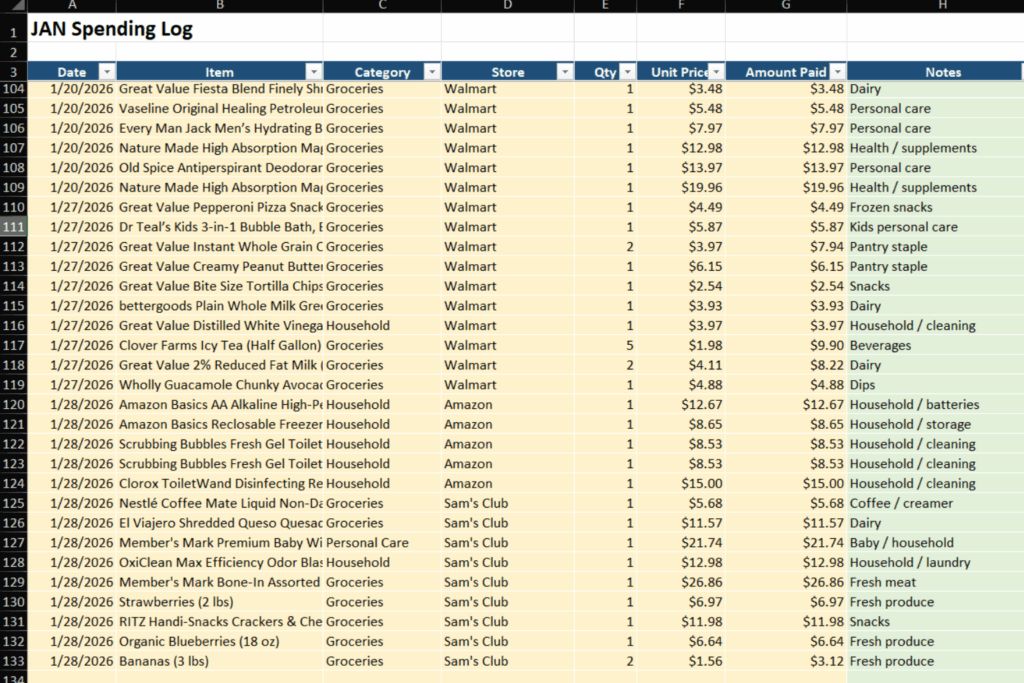
What I learned by tracking everything
Writing everything down showed me things I would have completely missed otherwise.
One of the biggest examples was buying the same item twice — not because we needed it, but because my husband added it without realizing we already had it. That’s no one’s fault. It’s just real life. Without tracking, I never would have noticed it happening.
This is why I’ve been enjoying tracking so much. It’s not about catching mistakes or controlling spending — it’s about seeing how things actually work in our home. When you can see it, you can decide later if anything needs to change.
I also started noticing patterns. Peanut butter kept showing up again and again. I don’t know what’s going on this year, but the kids are loving it, and our youngest especially enjoys it in his smoothies. That tells me it’s a real staple for us right now — not a random purchase.
None of this felt stressful. If anything, it felt calming. Tracking gave me clarity instead of assumptions, and that alone made the process worth it.
No budget, no guilt, just awareness
I didn’t set a grocery budget for January on purpose.
This month was about:
- seeing real numbers
- understanding habits
- learning without pressure
Awareness always comes before change.
What’s next
I’ll continue tracking groceries through February, still writing everything down and watching patterns develop.
If you want to follow along with real grocery numbers and honest updates, you can subscribe to my emails. And if you’re tracking your own groceries — or thinking about starting — I’d love to hear from you. Leave a comment and share what you’re noticing.
This isn’t about perfection.
It’s about honesty, consistency, and supporting each other in real life.