Transforming Your Home into a Lush Indoor Oasis
This post may contain affiliate links which might earn us money. Please read my Disclosure and Privacy policies here
In today's concrete-dominated world, our innate connection to nature often gets buried beneath artificial lighting and sterile surfaces. Creating thriving indoor ecosystems that echo the natural world provides a powerful remedy for modern life's stresses while delivering lasting health benefits.
When building your green sanctuary, choosing a large indoor plant as your centerpiece creates immediate visual drama and substantial air-purifying power that anchors your entire indoor oasis.
After years of nurturing indoor gardens and studying the fascinating interplay between plants and human wellness, I've seen how the right plant choices can completely transform both living spaces and daily life.
Understanding the Benefits of Indoor Greenery
Indoor plants work as living air filters through phytoremediation, actively scrubbing harmful toxins like formaldehyde and benzene from your home's atmosphere.
NASA's groundbreaking Clean Air Study revealed that common houseplants can eliminate up to 87% of volatile organic compounds in just 24 hours—making them remarkably effective partners for respiratory health.
The psychological benefits run even deeper, rooted in biophilic design principles that speak to our fundamental need for natural connection. Study after study confirms that living with plants reduces cortisol levels, brings down blood pressure, and sharpens mental clarity.
The physical perks extend to natural humidity regulation and allergen reduction, creating a more comfortable environment throughout the seasons.
Key benefits include:
– Toxin removal and oxygen production
– Stress reduction and mood enhancement
– Natural humidity control
– Improved sleep quality and concentration
Choosing Plants for Your Indoor Environment
Matching Plants to Light and Space Conditions
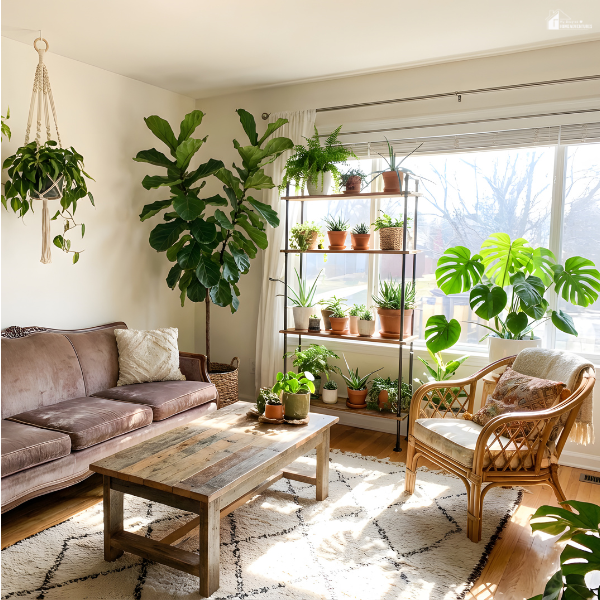
Success with houseplants starts with understanding your home's unique light conditions. Dimmer corners welcome resilient champions like pothos and snake plants, while spots with bright, indirect light make perfect homes for fiddle leaf figs and dramatic monstera varieties.
Those blessed medium-light areas offer the most flexibility, accommodating the widest range of tropical beauties.
Don't forget to think three-dimensionally when planning your plant placement. Consider ceiling height, existing furniture, and foot traffic patterns to create visual harmony while ensuring each plant gets the light it craves.
Low-Maintenance vs. Statement Makers
Beginner-friendly choices like succulents and ZZ plants ask for very little while delivering bold architectural presence. For those ready to make a statement, tropical showstoppers such as bird of paradise or rubber trees command attention—though they'll expect more consistent care when it comes to watering and humidity.
If you're transitioning from a plant-free space to a green paradise, start with forgiving varieties that adapt well to typical home conditions rather than diving into exotic species that demand specialized attention.
Essential Care Practices for Thriving Indoor Plants
Watering and Soil Fundamentals
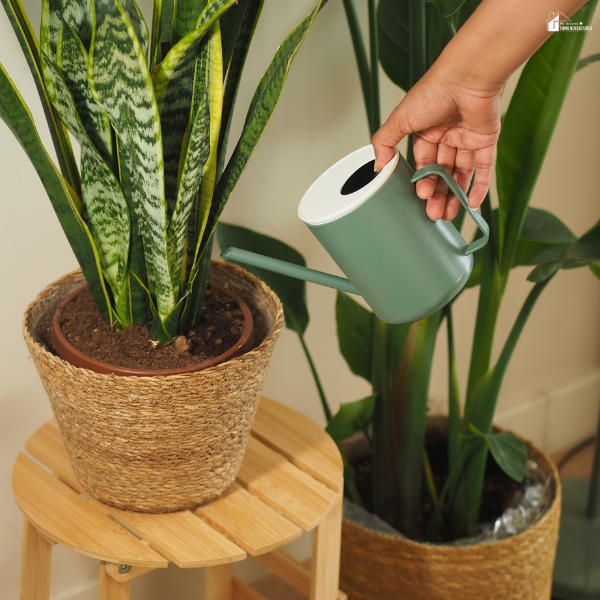
Smart watering means checking soil moisture with your finger rather than sticking to rigid schedules. Well-draining potting mixes prevent the dreaded root rot while holding just the right amount of moisture. Watch for repotting signals like roots spiraling through drainage holes or water rushing straight through without soaking in.
Lighting, Humidity, and Fertilization
Artificial light supplementation with full-spectrum LED grow lights opens up possibilities in homes with limited natural light. For most houseplants, positioning near east or west-facing windows hits the sweet spot for healthy growth.
Dry climates call for humidity boosting through water-filled pebble trays, clustering plants together, or running a room humidifier. Feed your green friends with balanced fertilizers—every 2-4 weeks during their active growing season and monthly when they're resting in winter.
Designing Harmonious Indoor Plant Arrangements
Smart plant design follows nature's layering principles: tall canopy plants create height, medium specimens fill the middle ground, and low-growing varieties carpet the understory. This creates natural depth and visual intrigue.
Mix contrasting textures, leaf shapes, and growth patterns while keeping color harmony in mind throughout your space.
Functional zoning puts plants where they work hardest—bedroom plants for better sleep, kitchen herbs within arm's reach for cooking, and workspace greenery to boost productivity and clean the air where you spend your working hours.
Overcoming Common Challenges in Indoor Gardening
Pest prevention begins with quarantining new additions and ensuring good air circulation around your plants. When spider mites or aphids appear, treat the plants with organic neem oil. Boosting humidity also helps keep pests away.
If leaves turn yellow or brown, check for common issues like overwatering, poor lighting, or lack of nutrients. These signs usually point to a care problem.
Regular pruning keeps plants healthy and vigorous, while propagation techniques let you expand your collection without breaking the bank.
Final Thoughts on Cultivating Your Green Haven
Creating a thriving indoor oasis starts with choosing the right plants, keeping a simple care routine, and allowing your design to grow with your skills. Tending to an indoor space that supports both plants and people can feel rewarding every day.
Start small with one or two easy-to-care-for plants. Watch how they respond to your home's light and temperature. As you learn, slowly add more greenery and build your confidence along the way.