
Simple Planning Tricks That Keep Home Life Running Smoothly
This post may contain affiliate links which might earn us money. Please read my Disclosure and Privacy policies here
A peaceful home doesn’t just happen. It takes a bit of structure, small habits, and a willingness to plan ahead. The good news is that you don’t need to overhaul your life or spend hours on organization. A few simple planning tricks can make home life feel less chaotic and more manageable.
Whether you’re juggling kids, housework, or finances, planning ahead brings calm where there used to be clutter.

Start with a Simple Weekly Plan
The easiest way to stay organized is to plan one week at a time. It’s a small effort that pays off quickly. Sit down every Sunday and map out your week. Write down meals, appointments, school events, and even quiet time. Having it all in one place keeps you from scrambling midweek.
You can use whatever works best for you. A paper planner, a wall calendar, or even a family app. The goal isn’t perfection, it’s awareness. Knowing what’s coming helps you prepare for it calmly. A “Sunday reset” can become a small tradition.
Take ten minutes to glance at your week, make a grocery list, and tidy up shared spaces. By Monday, your home will already feel more in control.
Create a Home Maintenance Calendar
It’s easy to forget that a smooth home life isn’t just about people’s schedules. It’s also about the house itself running well. A simple maintenance calendar keeps your home from falling into disrepair. Divide tasks by season.
For example, spring might include cleaning gutters and checking window seals. Fall might mean inspecting the roof and testing the heating system.
This habit helps you spot problems before they turn into expensive repairs. Tools like a roof estimator can also help you get a better sense of what future maintenance might cost. By understanding these expenses early, you can plan for them instead of reacting when something breaks.
Preventive care saves both money and frustration.
Keeping up with maintenance doesn’t have to be a chore. Spread tasks out so you’re doing a few small things each month. The goal is progress, not perfection.
Build Financial Habits Around Predictability
Money stress often spills into every other part of home life. Planning helps stop that cycle. Create a predictable system for your household budget. Start by separating fixed costs, such as bills, from flexible ones like groceries and entertainment.
Next, build a small home emergency fund. Even fifty dollars set aside each month can make a difference later. Use a calendar or budgeting app to track expenses and remind yourself of upcoming payments. When you know what’s coming, you can plan your spending without guilt or surprise.
It’s also smart to think about occasional costs. Things like car maintenance, birthday gifts, or seasonal clothing. When those expenses appear, you’ll already have a plan in place instead of pulling from savings.
Declutter Routines, Not Just Spaces
Most people think of clutter as piles of stuff. But routines can get cluttered too. Over time, we build habits that don’t serve us anymore. Maybe it’s running errands at random times or leaving chores for the last minute. These small inefficiencies add up and make home life more stressful than it needs to be.
Take a look at your daily routine. What tasks feel rushed or repetitive? Could you combine errands, prepare lunches ahead of time, or assign chores to different days? Small changes like meal prepping twice a week or setting out clothes the night before can save hours.
Decluttering routines isn’t about doing more. It’s about doing less, but smarter.
Use Visual Systems Everyone Can Follow
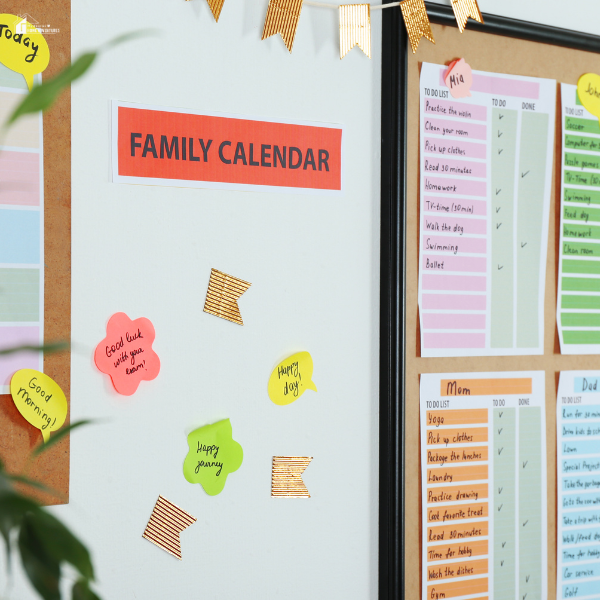
When everyone in the household knows what’s happening, life feels more coordinated. Visual systems help make that possible. Create a family command center in a visible spot. Use it for weekly schedules, grocery lists, and reminders. You can also assign colors to family members or types of tasks.
Magnetic boards, sticky notes, or shared calendars all work. The goal is to make information easy to find and understand. When plans are visible, everyone becomes more accountable. No more repeated “I didn’t know” conversations.
A simple whiteboard on the fridge can track meals, chores, or upcoming events. It’s an effortless way to get everyone on the same page.
Schedule Downtime Like You Schedule Tasks
A well-planned home isn’t only about efficiency. It’s about balance. Rest is just as important as productivity, and it deserves a place on your schedule.
Plan moments of calm into your week. Family movie nights, slow mornings, or quiet walks. These breaks remind everyone that home isn’t just where you work and clean, it’s also where you recharge.
Consistency in rest builds the same kind of peace that structure does. When everyone knows downtime is part of the plan, it becomes easier to relax without guilt.
Keep Adjusting, Not Overhauling
No system stays perfect forever. Families grow, routines change, and priorities shift. The key is to adjust, not start over. Review your plans once a month. Ask what’s working and what feels too forced.
You might find that some routines need simplifying or that certain chores can be shared differently. The goal is progress over time, not instant perfection.
Small, steady adjustments keep your planning habits realistic. It’s what turns them into lasting parts of your life instead of temporary fixes.
Conclusion: A Smooth Home Starts with Small, Steady Steps
When your home runs smoothly, everything else feels lighter. The secret isn’t in doing more. It’s in planning a little better each week.
Start small. Write down your schedule, plan your meals, and note when your home needs attention. Use tools when needed, stay flexible, and build systems that work for your family. Over time, these small planning habits bring lasting calm.
Home life becomes smoother not because it’s perfect, but because it’s prepared.