How to Ensure a Flea or Calming Collar Works for Your Dog’s Size
This post may contain affiliate links which might earn us money. Please read my Disclosure and Privacy policies here
Choosing the right collar for a dog’s size makes a big difference in how well it works. A flea collar that hangs too loosely will not spread its ingredients properly, while a calming collar that fits too tightly can cause discomfort. The collar must fit snugly with just enough space for two fingers between the material and the dog’s neck.
Size also affects how long the collar lasts and how evenly it works. A collar designed for a small breed may not provide full coverage for a large dog, and an oversized collar may not release the right amount of active ingredients for a smaller dog. Matching the collar to the dog’s weight and neck size helps it do its job effectively.
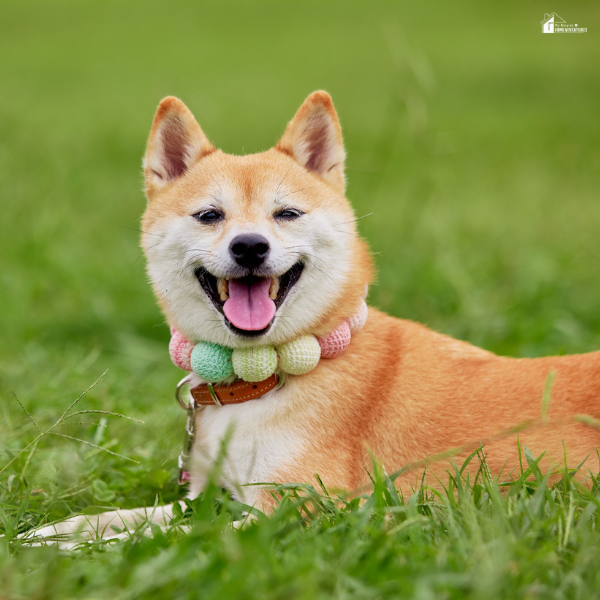
Dogs vary in build, coat thickness, and activity level, so the right fit balances comfort with function. A well-fitted collar not only protects against fleas or provides calming support but also avoids problems like skin irritation or wasted effectiveness. This makes proper sizing the first step toward keeping the collar safe and useful.
Choosing and Fitting the Right Collar for Your Dog’s Size
A collar must match both the purpose and the size of the dog. The right type, fit, and material help the collar work as intended while keeping the dog safe and comfortable.
Understanding Collar Types: Flea vs. Calming
Flea collars release active ingredients that repel or kill fleas and ticks. They are designed to sit close to the skin so the treatment spreads across the coat. An effective tick collar for dogs can also protect against ticks for several months, which reduces the need for frequent reapplication of other products.
Calming collars, on the other hand, use pheromones or herbal scents to reduce stress. These collars do not contain insecticides. Instead, they release a steady scent that can help dogs remain relaxed in stressful situations such as travel, thunderstorms, or separation.
Both types look similar, but their purposes differ. Owners should choose based on whether the goal is pest control or stress relief. Some dogs may benefit from alternating between the two, but they should not wear both at the same time.
Sizing Guidelines for Puppies and Adult Dogs
Puppies grow quickly, so their collar size often changes. A collar that fits today may become too tight within weeks. Adjustable collars are the best choice for young dogs because they can be loosened as the puppy grows. Owners should measure the neck every couple of weeks to avoid discomfort.
Adult dogs have more stable neck sizes, but breed and body shape still matter. Small breeds usually need narrow collars that do not add extra weight, while large breeds often require wider collars for better support. Dogs with thick coats may need slightly larger sizes to avoid pressure on the fur and skin.
A good rule is to measure the neck with a flexible tape and add about two inches for comfort. This prevents the collar from being too tight while still keeping it secure.
Proper Fitting Techniques for Safety and Comfort
A collar should be snug but not restrictive. The standard test is the “two-finger rule.” If two fingers fit comfortably between the collar and the dog’s neck, the size is correct. More space means the collar may slip off, while less space can cause irritation or breathing issues.
Owners should also check the width. Narrow collars suit small dogs, while larger breeds do better with collars at least one inch wide. This spreads pressure across the neck and reduces strain.
Regular adjustments are important. Dogs gain or lose weight, and collars can loosen over time. Checking the fit once a week helps prevent problems before they start.
Monitoring for Allergic Reactions or Sensitive Skin
Some dogs react to the materials or active ingredients in collars. Signs include redness, hair loss, or scratching around the neck. If this occurs, the collar should be removed immediately and the skin cleaned with mild soap and water.
For flea collars, reactions may come from the insecticide. Switching to a natural formula may help reduce irritation. Calming collars can also cause issues if the dog is sensitive to certain scents.
Owners should inspect the skin under the collar regularly. Rotating collars or giving the neck a short break each day can also help prevent irritation. If symptoms persist, a veterinarian should be consulted before trying another collar.
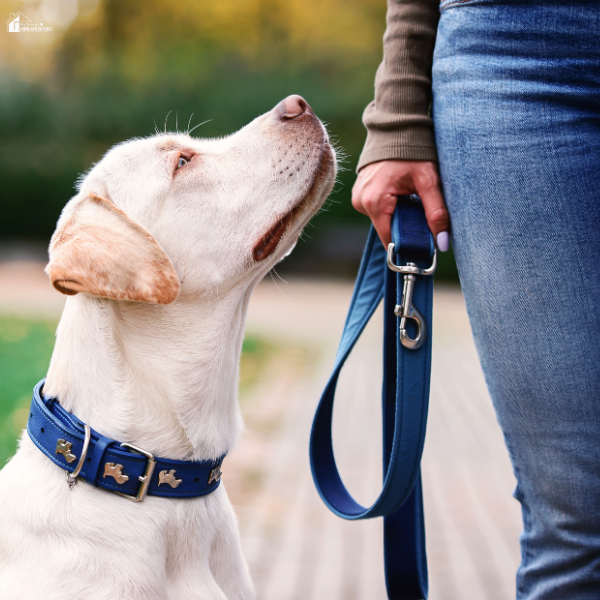
Maximizing Collar Effectiveness and Safety
A collar can protect against pests and support calm behavior, but it only works well if used correctly. Fit, replacement timing, and the type of ingredients all influence how safe and effective the collar will be for a dog.
Continuous Protection and Replacement Schedules
Flea collars release active ingredients over time, so consistent use matters. Gaps in use leave dogs open to flea infestations and reduce the collar’s value. Owners should follow the manufacturer’s timeline, since some collars last only a month while others provide protection for up to eight months.
A collar that no longer releases ingredients offers no parasite prevention. Dogs that spend time outdoors may also need more frequent replacement, as dirt and water can shorten a collar’s life. Owners should check the collar regularly to confirm it remains snug but not tight, with space for two fingers between the collar and the neck.
Continuous protection also depends on replacing the collar before it stops working. Delays create a window where fleas and ticks can return, which may require additional treatments to control.
Combining Collars with Other Flea Control Methods
A flea collar can reduce pests, but it rarely works as the only line of defense. Fleas lay eggs in carpets, bedding, and yards, so a collar on the dog does not stop all stages of the infestation. Regular vacuuming, washing pet bedding, and treating the home environment add another layer of control.
Some owners also use oral medications or topical spot-on treatments alongside collars. A veterinarian can guide whether this combination is safe for a specific dog. This approach often benefits households with multiple pets, since cats and dogs can pass fleas to each other if only one animal receives protection.
Collars should be seen as part of a larger flea control plan. Combining methods lowers the chance of reinfestation and reduces the need for stronger treatments later.
Ingredient Considerations: Insecticides, Essential Oils, and Plant-Based Options
Different collars use different active ingredients. Chemical insecticides often provide longer-lasting protection and may work better in areas with heavy flea populations. However, some dogs may react with skin irritation, so owners should watch for redness, scratching, or hair loss.
Natural collars often use essential oils or plant-based ingredients such as citronella, cedarwood, or peppermint. These may appeal to owners who prefer fewer synthetic chemicals, but their effectiveness can vary. They may work better as a preventive measure rather than a solution for an active infestation.
Cats in the home add another concern. Certain essential oils, such as tea tree or eucalyptus, can be toxic to cats if they come into contact with a dog’s collar. Families with both dogs and cats should confirm that the collar ingredients are safe for multi-pet households before use.
Conclusion
The right collar size plays a direct role in how well a flea or calming collar works for a dog. A collar that is too loose may not release its ingredients effectively, while one that is too tight can cause discomfort or skin irritation.
Dog owners should always check the fit by leaving enough space for two fingers between the collar and the neck. This simple step helps balance comfort with effectiveness.
It also matters to match the collar to the dog’s age, weight, and health needs. A properly chosen and fitted collar supports both safety and performance.
By paying attention to fit and product choice, owners give their dogs the best chance for consistent protection and comfort.