Reasons Professional Wildlife Control Experts Are Needed Near Residential Properties
This post may contain affiliate links which might earn us money. Please read my Disclosure and Privacy policies here
Wildlife encounters near residential areas have become a growing concern as natural habitats shrink and urban spaces expand. Homeowners usually witness animals like raccoons, squirrels, bats, and snakes that venture into their yards or attics in search of food and shelter.
This close proximity to wildlife creates several risks that require professional intervention rather than makeshift solutions.
Handling wildlife invasions demands specialized skills and understanding of animal behavior. Professional pest control experts ensure humane removal and prevent future reentry to keep both people and animals safe.
Their expertise goes beyond trapping; it involves identifying hidden entry points, controlling disease exposure, and restoring property safety efficiently.
1. Experts Protect Health and Safety
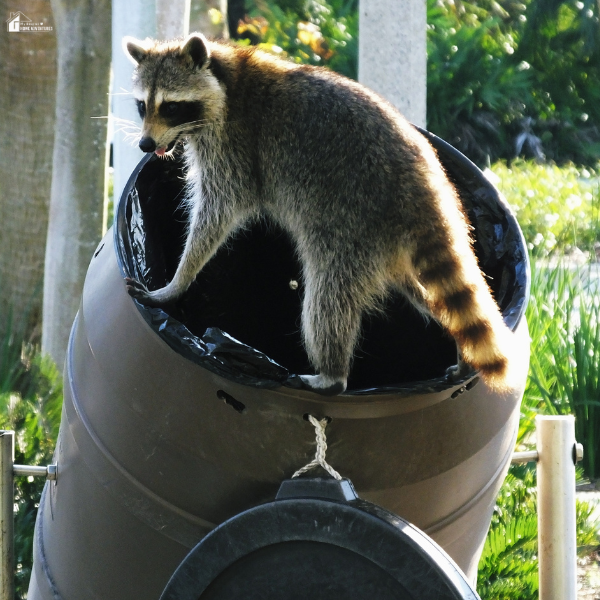
Wild animals can carry parasites and diseases that threaten human health. Raccoons can transmit rabies, while rodents spread salmonella and hantavirus. When animals leave droppings or urine inside homes, airborne bacteria can cause respiratory problems.
Professional wildlife control experts use protective equipment and sanitization techniques to prevent exposure. They handle waste removal, decontaminate affected areas, and ensure families remain safe from health hazards.
Their knowledge helps reduce the risk of infections that DIY methods might overlook. Experts also identify contamination spread through ventilation systems, which prevents pathogens from circulating indoors.
Their detailed cleanup process restores hygienic conditions and safeguards residents from long-term health issues.
2. They Prevent Structural Damage
Small openings in roofs, vents, or crawl spaces invite animals into homes. Once inside, they chew insulation, wiring, and wooden beams. Such damage can weaken the structure and increase fire risks from exposed wires.
Experts perform detailed inspections to locate damage that may not be visible to homeowners. They repair or recommend solutions to seal gaps permanently.
This proactive approach protects the property’s integrity and prevents recurring infestations. In many cases, professionals also assess moisture buildup or nesting materials that attract more wildlife. Their thorough evaluation helps maintain the home’s durability and reduces costly repairs in the future.
3. They Use Humane and Legal Methods
Handling wildlife without proper knowledge can lead to harm or legal consequences. Many species, such as bats and certain birds, are protected by wildlife laws. Removing them without permits or during breeding seasons can result in fines.
Licensed professionals understand legal requirements and follow humane practices. They relocate animals safely and ensure no offspring are left behind. Their approach protects both the homeowner’s interests and animal welfare.
Professionals also maintain detailed records of each removal process to comply with regional regulations. Their adherence to ethical standards fosters community safety and preserves ecological balance near residential areas.
4. They Can Identify Entry Points Effectively
Animals are skilled at finding hidden routes into homes. Even small gaps in vents or loose siding can become gateways. A professional inspection from reputable pest control services reveals every access point that may be invisible to the untrained eye.
Key detection techniques include:
- Thermal imaging to locate nests and hidden movement.
- Use of cameras and traps for monitoring animal activity.
- Examining droppings and footprints for species identification.
This precision helps design a lasting exclusion plan, which prevents future invasions.
5. Experts Provide Long-Term Prevention Plans
Once animals are removed, the next challenge is keeping them out. Professionals create prevention strategies tailored to each property’s vulnerabilities. They focus on eliminating attractants and reinforcing potential entry points.
Typical prevention steps include:
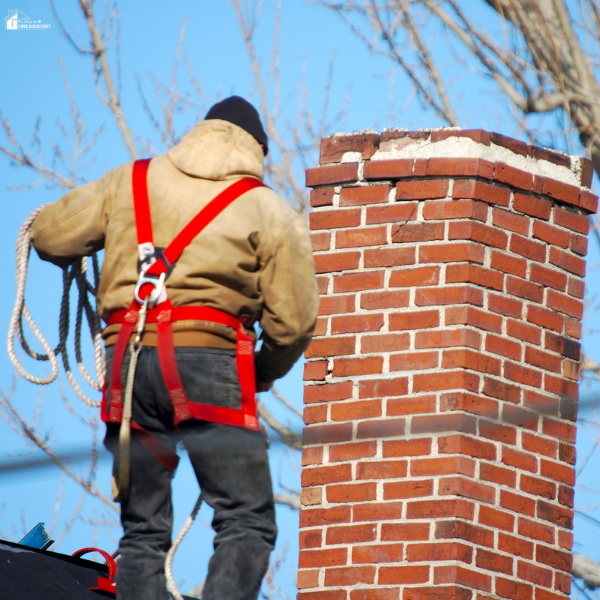
- Installing secure chimney caps and vent covers.
- Cleaning debris and food sources around the yard.
- Sealing cracks and gaps using wildlife-proof materials.
Such comprehensive plans provide peace of mind and protect investments over time.
6. They Reduce Stress and Uncertainty
Encountering wildlife inside a home can cause anxiety and confusion. Unexpected noises in the attic or scratching in the walls create sleepless nights and fear. Without experience, handling these situations can escalate the problem.
Professional teams act swiftly and calmly. They assess the situation, explain each step, and remove the animal safely. This clear communication eases stress and restores comfort in the home environment.
7. They Protect Pets and Gardens
Wild animals can harm pets and damage gardens while searching for food. Skunks may spray pets, raccoons can fight with them, and groundhogs dig tunnels that ruin lawns. These conflicts disrupt the household and destroy outdoor spaces.
Wildlife experts from professional pest control services apply safe deterrents to keep animals away without harming them. They suggest fencing techniques and repellents that protect both pets and plants. Their expertise ensures a balance between maintaining nature’s presence and preserving domestic peace.
Professional wildlife control thus offers more than removal; it safeguards homes, health, and harmony. Their specialized knowledge ensures that every action taken is safe, lawful, and lasting. With their help, residential properties remain secure and free from wildlife-related challenges.