What Hydro Jetting Actually Does Inside Your Pipes
This post may contain affiliate links which might earn us money. Please read my Disclosure and Privacy policies here
Hydro jetting is basically a deep clean for your pipes, not a patch job. A technician runs a hose into the line and sends high-pressure water through. As the nozzle moves forward, it sprays backward too, and that is what scrubs.
That backward spray is the part most people do not picture at first, and it is also why hydro jetting services can be useful when a drain keeps slowing down after “quick fixes.” It does not just blast the middle of the pipe and call it done. It works along the walls, where grease and sludge like to cling.
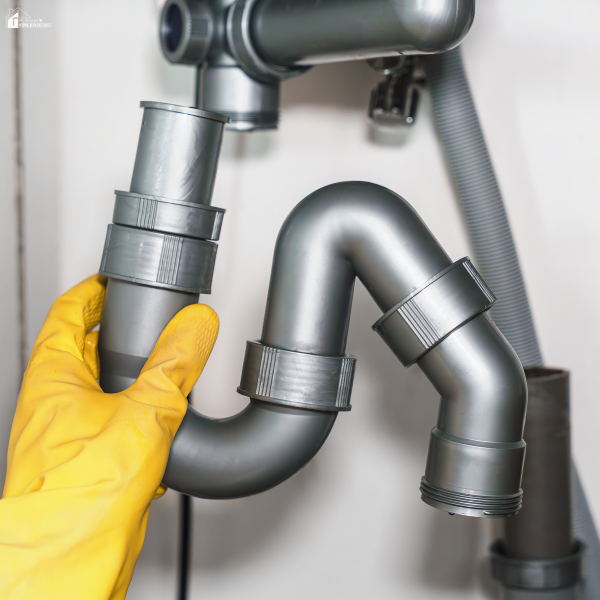
A standard drain snake works differently, and it can still be useful. Snaking often opens a path through the clog so water can move again. The downside is that a thin ring of residue can stay behind. That leftover layer grabs new gunk, and the same drain can misbehave sooner.
Hydro jetting aims to reset the inside surface closer to a clean pipe again. It can clear grease, soap scum, food bits, and paper buildup in many cases. It can also help with roots, depending on what is happening in the line. The pressure and nozzle choice should match your pipe material and condition.
Why It Can Save Money When Clogs Keep Coming Back
Repeat clogs are costly in those annoying, indirect ways that pile up. You lose time, buy quick fixes, and start babying sinks like they are fragile. If a backup threatens flooring or cabinets, the stress spikes fast. It is the kind of problem that shows up at the worst moment.
Hydro jetting can reduce repeat visits because it removes what clings to pipe walls. When the walls are cleaner, water moves more freely through the whole diameter. Solids and sludge have less to stick to, so they wash through more easily. That often means fewer surprise slowdowns over the next few months.
It also helps when normal routines put steady pressure on drains. Grease from cooking, starchy pasta water, and heavy dish soap can form a stubborn coating. In my own house, the “busy week” meals always seemed to match “mysterious sink smell” days. That timing was not a coincidence; it was a buildup catching up.
Small habits still matter after any drain cleaning, and they usually cost nothing. A sink strainer and a quick wipe of greasy pans can cut down what enters. Some families also lean on simple reminders like the ones in these simple plumbing tips when they want fewer household surprises. When the basics are steady, deeper cleaning tends to last longer.
When Hydro Jetting Makes Sense, and When It Should Wait
Hydro jetting is often recommended for slow drains that keep returning after routine cleaning. It also comes up when more than one fixture runs slowly at the same time. That pattern can point toward a main line issue, not a single sink trap. The kitchen is a common trouble spot, since grease builds gradually and quietly.
Roots can be part of the story too, and the details really matter. Roots usually enter through tiny cracks or joints, and then they trap debris like a net. Hydro jetting may clear the blockage, yet damaged pipe sections may still need repair later. A cleaning can buy breathing room, but it cannot seal a crack.
There are also times when hydro jetting should wait until after an inspection. Very old or fragile lines can be risky if the pipe is already compromised. A camera check can show whether you are dealing with buildup or structural failure. Knowing the difference saves money and avoids doing the wrong kind of work.
Here are a few signs that a deeper clean might be worth considering soon:
- One clog clears, then another drain backs up within days.
- A sewer smell shows up near a floor drain after heavy water use.
- The toilet bubbles when the shower runs, even with normal flushing.
- There is a history of root trouble near the same outdoor cleanout.
It also helps to know what commonly causes backups beyond your own house. The EPA notes that fats, oils, grease, and so-called flushable items are frequent contributors to sewer overflows and blockages. Keeping those items out of drains helps your line and the shared system.
Keeping Drains Happy Without Making It a Whole Project
Once pipes are cleaned, the next win is slowing down the rebuild of residue. Routines tend to matter more than products, and simple beats complicated. Nobody wants a new weekly chore, especially when life is already packed. The goal is a house that runs without drama.
Kitchen drains usually respond well to less grease and less food residue. Many people find it helps to wipe pans before rinsing and using a strainer. If a disposal is in the mix, cold water often helps move solids along. It is not about being perfect, just being consistent enough.
Bathroom drains are mostly hair and soap, so prevention stays pretty simple. A hair catcher does more than most chemical cleaners, and it is less hassle. Every time I skipped mine for a few weeks, the tub told on me. Slow water is usually a warning, not a surprise.
Outdoor conditions can affect indoor plumbing, too, especially with older homes. Heavy rain, shifting soil, and seasonal changes can stress joints over time. Some homeowners like using a seasonal checklist because it keeps small issues visible. This quick seasonal home maintenance checklist fits that mindset without making it feel overwhelming.
Tree roots are the long game problem that can sneak up on anyone. An extension guide from NC State explains how roots exploit openings and defects in sewer lines over time. It is a helpful primer if trees are close to your line. If roots keep returning, cleaning alone may not be the full fix.
Fewer Backups, Less Stress, Better Timing
Hydro jetting can be a solid option when clogs repeat, and quick fixes stop lasting. It cleans pipe walls more thoroughly than methods that only open a narrow path. When it is paired with steady kitchen and bathroom habits, the results tend to stick around longer. For homeowners watching their budget, fewer emergencies is the real benefit.