Seasonal HVAC Maintenance Habits That Help Avoid Costly Home Repairs
This post may contain affiliate links which might earn us money. Please read my Disclosure and Privacy policies here
Most homeowners only think about their HVAC system when something goes wrong, and by then, the repair bill is already a surprise. The reality is that a handful of consistent seasonal maintenance habits account for the vast majority of breakdowns, efficiency losses, and premature system failures that could have been avoided entirely.
Changing air filters on a regular schedule is one of the highest-impact habits a homeowner can build. A clogged filter restricts airflow, forces the system to work harder, and shortens system lifespan faster than almost any other neglected task.
Keeping the area around the condenser unit clear of debris, checking the condensate drain line for clogs before humidity season hits, and verifying that the thermostat is reading and responding accurately are all habits that cost very little time but prevent significant damage down the line.
Preventive maintenance, particularly a professional tune-up before peak heating or cooling seasons, catches wear and developing issues before they become failures.
Together, these habits form a straightforward seasonal maintenance routine that protects the investment a home represents, keeps energy bills predictable, and reduces the likelihood of an unexpected breakdown at the worst possible time.
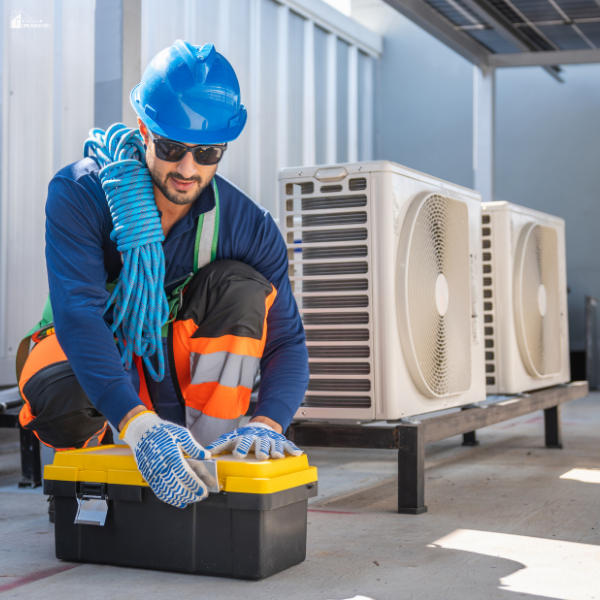
The Seasonal Habits That Prevent Big Repairs
A few core habits, applied consistently across the year, do more to protect an HVAC system than any single repair or upgrade. These are not complicated tasks, but they are the ones that most directly reduce the risk of breakdowns, water damage, and shortened system lifespan.
- Change air filters regularly. A clogged filter is one of the leading causes of system strain, reduced energy efficiency, and accelerated component wear.
- Keep the condenser unit clear. Debris around the outdoor unit restricts the airflow the system needs to release heat effectively.
- Flush the condensate drain line. A blocked drain line can overflow and cause water damage around the air handler, particularly during high-humidity months.
- Verify thermostat accuracy. A thermostat that reads or responds incorrectly causes the system to run longer or shorter than it should, quietly raising energy bills.
- Schedule professional tune-ups. A technician inspection before peak heating or cooling season catches developing issues while they are still minor, before they become costly failures.
These habits are the foundation that the rest of this article builds on. Understanding when and how to apply them, season by season, is what turns good intentions into real protection for the system.
What to Check in Spring and Summer
As temperatures rise, the demands placed on a cooling system shift quickly from minimal to continuous. Getting ahead of that transition with a few targeted checks is the most reliable way to avoid the strain that leads to mid-summer breakdowns.
Airflow, Cooling, and Moisture Issues
Air filters should be inspected or replaced before the first extended cooling stretch of the season. A dirty filter chokes airflow through the system, forces the cooling system to draw more power, and drags down energy efficiency without any visible warning signs until the problem is already embedded.
The outdoor unit deserves attention after winter as well. Leaves, seed pods, dirt, and other debris collect around the condenser unit and restrict the airflow it needs to release heat. Clearing a perimeter around the unit takes only a few minutes and protects compressor health through the hottest months.
Checking the condensate drain line is equally important. In high-humidity months, this line can clog with algae or debris, causing overflow that leads to water damage around the air handler. A simple flush at the start of the season reduces that risk significantly.
When a Small AC Issue Is No Longer Small
Routine homeowner checks cover a lot of ground, but certain signs point to something that needs professional service.
Short cycling, where the system turns on and off in rapid bursts, unusual smells coming from the vents, weak airflow, or grinding and rattling sounds all suggest a developing mechanical issue that warrants a closer look.
Refrigerant levels fall into this category as well. Low refrigerant is not a DIY fix and indicates either a leak or an existing service gap that needs a licensed technician to diagnose safely.
For homeowners who want guidance on keeping your AC running smoothly year-round, these seasonal checks align closely with what Island Breeze's HVAC team and similar regional professionals flag as the highest-priority warm-weather service points when symptoms like short cycling, persistent odors, or suspected refrigerant issues move beyond routine upkeep and need trained diagnosis.
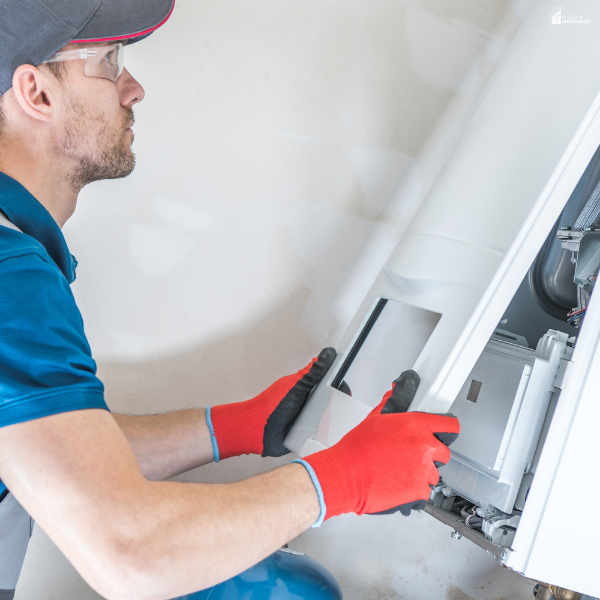
What to Check in Fall and Winter
When cooling season ends, the focus shifts from keeping the home comfortable in the heat to keeping it safe and warm through months of continuous heating demand. Fall is the right time to act, before cold weather arrives and the system is already under pressure.
Protect the Furnace Before Heating Season
Scheduling a furnace inspection before cold weather arrives gives a professional technician the chance to catch worn components, test ignition, and verify that the system is operating safely before demand peaks. Beyond the inspection, a few homeowner tasks set the system up for efficient performance.
Replacing air filters, confirming thermostat settings are calibrated for heating mode, and checking that supply and return vents are unobstructed are all straightforward steps that directly affect how efficiently the HVAC system runs.
Owners with a heat pump rather than a traditional furnace should follow the same seasonal rhythm. Because heat pumps operate year-round, the fall check-in is less about switching modes and more about confirming that the system is handling the transition to heavier heating loads without signs of strain.
Annual tune-ups before the heating season also support indoor air quality, since a system that has not been serviced may circulate dust or debris that accumulated over the warmer months.
Do Not Skip Basic Safety Checks
Carbon monoxide detectors deserve specific attention at the start of heating season. As the furnace runs more frequently, the risk associated with combustion appliances increases, and working detectors are the only reliable warning system a household has.
Testing each detector, replacing batteries where needed, and noting the unit's age are all part of responsible seasonal preparation.
Burning smells when the furnace first activates, ignition delays, or repeated cycling where the system starts and stops without completing a full cycle are all signs that warrant a call to a professional technician rather than a wait-and-see approach.
Habits That Matter No Matter the Season
Some maintenance habits do not belong to a single season. They apply year-round and have a steady, cumulative effect on comfort, energy efficiency, and the likelihood of an unexpected repair call.
Keep Air Moving Cleanly Through the Home
Clean, unobstructed airflow is something the HVAC system depends on every day of the year, regardless of whether it is heating or cooling. Blocked vents and registers force the system to compensate, which drives up energy consumption and creates uneven temperatures from room to room.
Keeping all supply and return registers free of furniture, rugs, and other obstructions takes no specialized knowledge, but the payoff in consistent performance is real.
Ductwork is worth inspecting periodically as well. Leaks or separations in the duct system allow conditioned air to escape into unconditioned spaces before it reaches living areas, which quietly undermines energy efficiency and indoor air quality at the same time.
The Department of Energy notes that duct leakage is one of the more common sources of wasted energy in residential HVAC systems.
Use Your Thermostat and Bills as Warning Signs
The thermostat and monthly energy bills are two of the most accessible diagnostic tools a homeowner has, and both are frequently overlooked.
When the thermostat struggles to hold a set temperature, takes longer than usual to respond, or loses its programmed schedule without explanation, those are early signals that something in the system deserves attention.
A smart thermostat adds useful visibility here, since many models track runtime patterns and flag efficiency changes over time, making it easier to spot a developing issue before it becomes a repair call.
Energy bills that spike without a clear explanation, such as an unusually cold stretch or an extended heat wave, often reflect a system working harder than it should.
Folding thermostat checks and bill reviews into a seasonal home maintenance routine makes preventive maintenance far more likely to catch problems at the manageable stage rather than after a breakdown has already occurred.
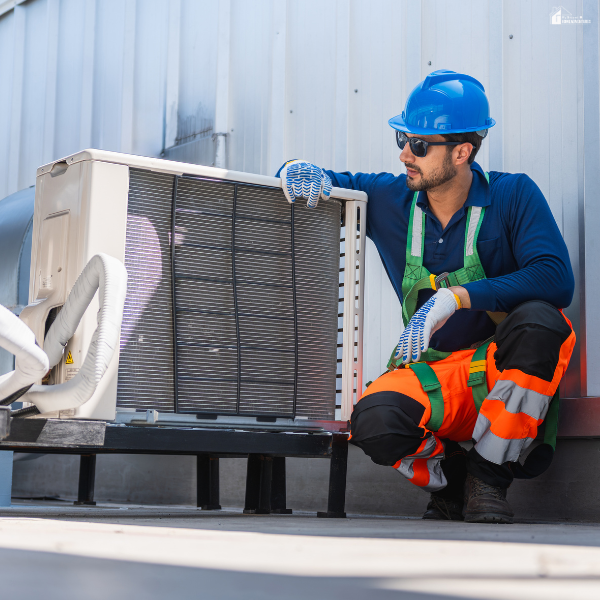
Why Routine Maintenance Saves Money Later
Preventive maintenance is not just a best practice; it is the financial logic that keeps HVAC ownership from becoming a cycle of expensive emergencies. Every skipped filter change, postponed tune-up, and ignored minor symptom quietly accelerates wear across components that are far more costly to replace than to preserve.
Neglected upkeep affects more than individual parts. When a system is running with restricted airflow, dirty coils, or worn components, it compensates by working harder to deliver the same output. That extra effort shows up directly in energy bills, and the longer it continues, the more it chips away at system lifespan.
Annual tune-ups serve a specific purpose within this equation. A professional inspection done before peak heating or cooling demand catches developing issues while they are still minor adjustments rather than component failures.
A failing capacitor, a refrigerant charge that has drifted slightly low, or a heat exchanger showing early wear are all problems that cost relatively little to address when caught during a routine service call. Left undetected, each one creates conditions that push toward a full breakdown.
The compressor and heat exchanger are among the most expensive components in an HVAC system, and both are highly sensitive to the cumulative stress that deferred maintenance creates. Protecting them through consistent upkeep is considerably less expensive than replacing them.
Keeping energy efficiency stable, extending system lifespan, and avoiding emergency repair costs are all outcomes of the same discipline: treating an HVAC system as something that requires regular attention rather than only responding when it fails.
Frequently Asked Questions
How often should an HVAC system be serviced professionally?
Most systems benefit from two professional tune-ups per year, one before cooling season and one before heating season. This schedule aligns seasonal maintenance with the periods of heaviest use, giving a technician the opportunity to catch developing issues before demand peaks.
What is the most important thing a homeowner can do between service visits?
Replacing air filters on schedule is consistently the highest-impact habit. A clogged filter restricts airflow, forces the system to overwork, and accelerates wear on components that are expensive to replace.
How does seasonal maintenance affect energy bills?
A system running with dirty filters, obstructed airflow, or worn components draws more energy to deliver the same output. Regular upkeep keeps the system operating closer to its rated efficiency, which tends to keep monthly costs more predictable.
Is seasonal maintenance necessary for newer HVAC systems?
Yes. Newer systems are not exempt from the effects of neglected upkeep. Dust accumulation, filter restriction, and gradual component wear affect all systems regardless of age, and consistent maintenance is what keeps a newer system performing efficiently through its expected lifespan.
Build These Checks Into Your Home Routine
Seasonal maintenance works best when it becomes a habit rather than a reaction. Homeowners who build basic HVAC checks into their spring and fall routines spend far less time managing emergencies and far more time benefiting from a system that simply works.
The core habits covered throughout this article, including filter changes, professional tune-ups, airflow inspections, and thermostat monitoring, are not complicated tasks. They are consistent ones.
Treating the HVAC system as a standard part of home care, the same way a homeowner would handle gutter cleaning or smoke detector testing, is what keeps preventive maintenance from slipping until something breaks.
Small, regular attention is always less expensive than deferred repairs.