Roof Ventilation Problems: The Silent Cause of Shingle Failure
This post may contain affiliate links which might earn us money. Please read my Disclosure and Privacy policies here
Roof shingles are expected to last for decades, but many start wearing out much earlier than their warranty suggests. In many cases, the problem isn’t the shingles themselves but the conditions beneath them.
When an attic lacks proper ventilation, heat and humidity can become trapped under the roof deck, slowly stressing the roofing materials above.
Over time, that trapped heat can soften adhesive strips, dry out asphalt, and raise the temperature of the roof structure, while lingering moisture works its way into wood decking and insulation. These changes often develop quietly and are easy to miss from outside.
Taking a closer look at attic airflow can reveal why shingles begin curling, losing granules, or aging sooner than expected.
Ventilation Breakdown Signals
Curling shingle tabs and brittle edges often appear alongside darkened roof decking in the attic. When air gets trapped, heat builds under the roof deck and moisture lingers in the wood, allowing surface wear and attic staining to develop at the same time.
Granules may wash off earlier, and shingle edges can feel stiff instead of flexible, especially on sun-exposed slopes.
Soffit vents frequently clog with insulation, paint, or debris, cutting off the fresh air the attic needs. A quick check of vent openings at the eaves and a short attic inspection on a warm afternoon can reveal heat lingering near the roof sheathing.
When ventilation problems show up alongside curling shingles or granule loss, a contractor can recommend a targeted roof repair while correcting blocked intake vents so airflow moves properly through the attic.
Ventilation Design Flaws
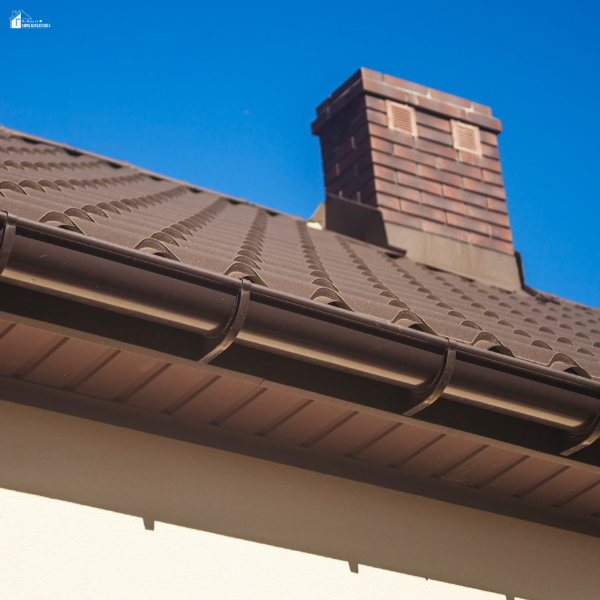
Ridge vent runs along the peak can look finished and tidy, but it won't work well without enough soffit intake below.
When there's no steady source of incoming air, the attic can't develop a reliable flow path, so hot air lingers and circulates in place. This is why some newer roofs still show early shingle wear near the ridge or on upper slopes.
Multiple exhaust styles on the same roofline can compete with each other and short-circuit the air path, so one vent pulls air from another instead of from the soffits. Insulation that drifts into the eaves can block intake openings completely, especially after attic work or settling.
Balanced ventilation typically requires a roughly even ratio of intake and exhaust vent area so air moves consistently from eaves to ridge.
Moisture Damage Indicators
Dark stains on roof decking indicate condensation forming on the underside of the sheathing when humid attic air cannot exit through the ventilation system.
Persistent moisture can support mold growth along rafters and roof framing, particularly near the ridge where warm air accumulates before reaching exhaust vents. Such visible changes signal extended humidity exposure inside the attic.
Rusted nail tips provide another reliable indicator of trapped moisture. Metal fasteners corrode when condensation forms repeatedly on the underside of the roof deck. Damp or compacted insulation also suggests indoor humidity rising into the attic and condensing on cooler surfaces.
These conditions increase wood moisture levels and accelerate deterioration of structural roof components.
Shingle Lifespan Impact
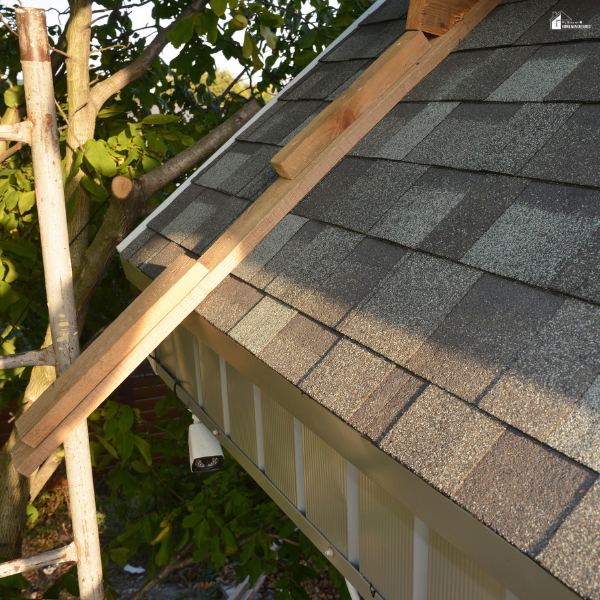
Attic temperatures that run far hotter than outdoor air place constant stress on shingles from below. Asphalt heats, dries out, and loses flexibility, allowing granules to shed earlier and edges to become brittle.
Over time, this added heat load causes shingles to age faster than expected, even when installation was correct and the roof still looks acceptable from the ground.
Adhesive strips are especially sensitive to prolonged heat. Once weakened, shingles lift more easily during Midwest windstorms. Lifted edges allow more movement and faster wear across larger areas rather than a single spot.
When large roof sections begin aging unevenly, attic heat buildup is often affecting the entire roof surface rather than isolated shingle defects.
Corrective Ventilation Upgrades
Continuous soffit vent panels bring in outside air evenly along the lower roof edge, which helps stabilize attic conditions without tearing off shingles. Ridge vents then give that rising warm air a consistent exit at the peak, so airflow moves in one direction instead of swirling in pockets.
When intake and exhaust are balanced, roof deck temperatures stay closer to outdoor conditions and shingles aren't baked from below.
Attic baffles matter because they hold insulation back from the eave area where intake air needs to enter. Without them, loose-fill or batts can slump into soffit bays and quietly choke off the vent path over time.
A contractor can verify the airflow channel from eaves to ridge and confirm vent sizing so the roof wears evenly across both sunny and shaded slopes.
Proper roof ventilation protects shingles from the hidden stress of attic heat and moisture that build up over time. When airflow moves consistently from soffit intake vents to ridge exhaust vents, the attic stays closer to outdoor conditions and roofing materials experience less thermal strain.
Paying attention to early warning signs such as curling shingles, granule loss, dark roof decking, rusted nail tips, or damp insulation can help identify ventilation problems before larger damage develops.
Correcting airflow issues with balanced intake, clear vent channels, and properly sized exhaust helps shingles age more evenly and reduces the risk of premature roof replacement or avoidable repair costs.