
Everyday Signs Your Home Is Responding to Its Environment
This post may contain affiliate links which might earn us money. Please read my Disclosure and Privacy policies here
Homes are never static, even when life inside them feels routine. Materials expand and contract, air moves in subtle ways, and moisture responds to changes outside long before anything looks broken.
Many homeowners only notice such changes after living in a space for a while, when small patterns start repeating. A door feels tighter in certain months, one room warms faster than another, or the air feels different after a storm passes through.
Lately, there has been more attention on noticing quiet signals rather than jumping straight to fixes. Understanding how a home reacts to its environment builds familiarity and confidence. Instead of guessing, homeowners begin to recognize what feels normal for their space and what feels new.

Doors and Windows
The doors and windows tend to react quickly to environmental changes. Seasonal temperature swings can cause them to stick, shift slightly, or allow drafts that were not noticeable before. Windy days may bring subtle rattling, while colder mornings can make frames feel tighter.
Such changes often happen gradually, which is why they stand out more to people who live in the home year-round.
When these behaviors become consistent rather than occasional, it can point to aging materials or gaps that no longer perform well. Replacing windows with expert help becomes a thoughtful step at this stage, not a rushed one.
Professional guidance helps homeowners choose options that fit how their home actually behaves in different conditions, improving comfort and reducing those daily annoyances that weather slowly introduces.
Looking up window replacement near me allows homeowners to consult with the experts and gain professional advice.
Condensation Patterns
Condensation usually appears when indoor and outdoor temperatures clash. Moisture collects on glass, mirrors, or nearby surfaces during colder mornings or humid days. Watching where this happens most often can reveal which areas of the home react more strongly to weather shifts.
Some rooms may show condensation quickly, while others stay clear.
Homeowners start noticing that condensation shows up after specific weather changes or at certain times of day. Paying attention helps explain how air, temperature, and moisture interact inside the home without needing special tools or measurements.
Humidity Shifts
Humidity can change the feel of a home almost instantly. After heavy rain or sudden temperature swings, the air may feel heavier, drier, or slightly uncomfortable. Such changes often move through the house unevenly, affecting some rooms more than others.
Noticing humidity changes helps homeowners understand how well their home balances moisture across seasons. Over time, it becomes clear which conditions make the air feel different and how long it takes to settle again.
Wall Temperatures
Exterior walls respond directly to what happens outside. Sunlight, shade, and outdoor temperature all influence how warm or cool they feel throughout the day. Morning and evening differences often stand out the most, especially in rooms that face direct sunlight. Simply resting a hand near a wall can reveal these changes.
Temperature differences tell a story about insulation, airflow, and exposure. Homeowners who pay attention start to understand which sides of the home absorb heat and which stay cooler. This knowledge helps explain why certain rooms feel the way they do at different times.
Sun Exposure
Sun exposure plays a quiet role in daily comfort. Some rooms warm quickly once sunlight hits, while others remain steady no matter the time of day. The path of the sun changes with the seasons, which means the same space can feel very different throughout the year.
Watching how sunlight moves through the home builds awareness of natural heating patterns. Homeowners often notice that comfort changes follow light patterns more than thermostat settings.
Recognizing this relationship helps explain daily temperature transitions and makes the home feel more predictable over time.
Warmth Near Surfaces
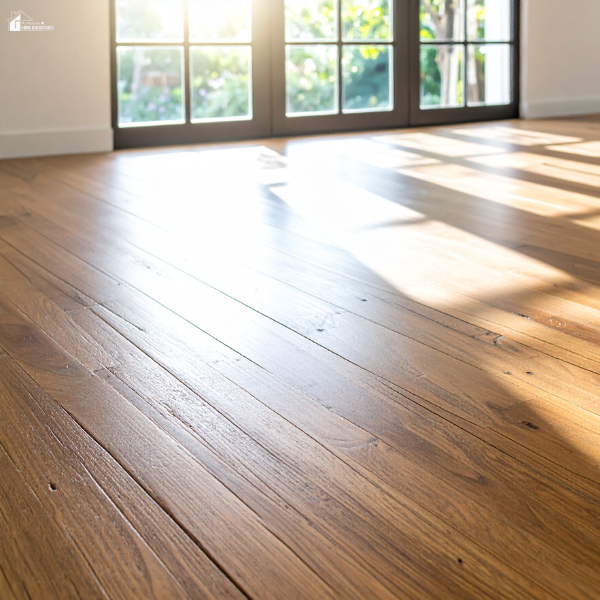
Warmth often feels different near exterior surfaces compared to the center of a room. Floors close to outside walls may feel cooler in the morning, while certain wall sections hold warmth longer after sunset.
Corners, window-adjacent areas, and spots near exterior doors tend to react first when temperatures shift outside.
Paying attention to these changes helps homeowners understand how heat travels through the home. Comfort levels often have more to do with where you are standing than with overall temperature settings.
Airborne Movement
Smells offer quiet clues about airflow. Cooking aromas, outdoor scents, or even fresh laundry smells may travel farther on some days than others. Weather conditions, pressure changes, and humidity levels all influence how air moves inside a home.
Observing how smells spread or linger helps reveal airflow paths that are not always visible.
Over time, homeowners begin to recognize familiar movement patterns. Certain weather conditions make the house feel more open, while others keep the air feeling still. Such observations help explain comfort changes without relying on technical explanations or constant adjustments.
Energy Use
Energy use often changes in ways that match environmental response. Heating or cooling systems may run longer during specific weather patterns, even if thermostat settings stay the same. Bills, system cycles, and daily usage trends quietly reflect how the home interacts with outside conditions.
Tracking these changes builds understanding. Homeowners start noticing which seasons require more energy and which feel naturally balanced.
Repeating Patterns
After living in a home for multiple seasons, patterns start repeating. The same room warms quickly every summer. A familiar draft shows up each winter. Condensation appears in the same spot during certain weather changes. Such repetitions create a sense of familiarity that only time can provide.
Recognizing the patterns builds confidence. Homeowners stop reacting to every small change and start understanding which signals matter. Experience turns observation into practical knowledge that supports calm decision-making.
Every day, signs reveal how a home responds to its environment long before anything feels urgent. Small changes in airflow, temperature, moisture, and light quietly tell a story about how the house interacts with the world outside.
Paying attention to those signs helps homeowners feel more connected to their space. Living in a home over time turns observation into insight. Comfort becomes easier to manage once patterns feel familiar rather than unpredictable.