
Decision Points That Shape a Smooth and Efficient Moving Process
This post may contain affiliate links which might earn us money. Please read my Disclosure and Privacy policies here
The thought of moving often evokes a mix of excitement for a new chapter and dread for the logistical upheaval it entails. While a move can quickly descend into chaos, it doesn't have to. The difference between a stressful and a seamless transition lies not in luck, but in a series of strategic and well-timed decisions made long before the first box is packed.
Key among these decisions are:
- Selecting a reputable moving company far in advance.
- Creating a detailed moving timeline and budget.
- Systematically decluttering your home to reduce volume.
- Develop a clear packing strategy with labeled boxes.
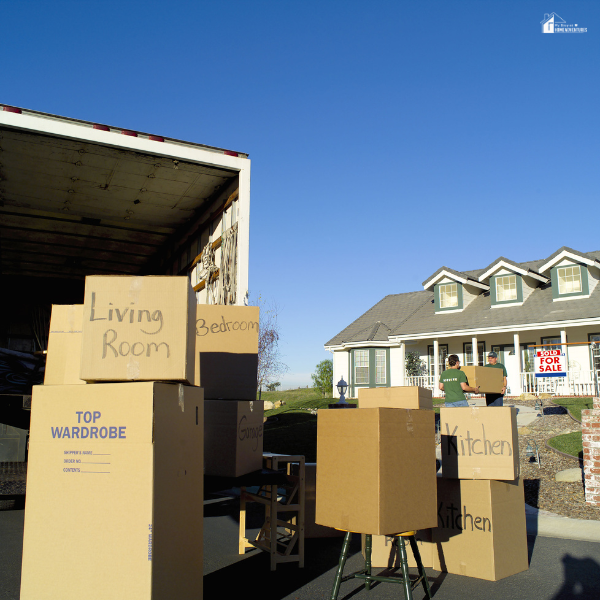
These choices, from the moment you decide to relocate to the final item being unpacked, are the true architects of your moving experience. By approaching the process with a methodical mindset, you can navigate the complexities of relocation and ensure that your move is a well-orchestrated event rather than a last-minute scramble.
The Initial Planning and Decluttering Phase
The single most impactful decision you can make is to begin the process early. The initial planning and decluttering phase is the foundation upon which a smooth move is built. Starting weeks or even months in advance provides ample time to research, budget, and mentally prepare for the transition.
More importantly, it allows for a thorough decluttering of your home. This process is not just about tidying up; it's a strategic move that directly impacts the cost and complexity of your relocation. By sorting items into categories—keep, donate, sell, or discard—you reduce the volume of goods to be moved.
This can lead to significant savings on packing materials and labor. Furthermore, a detailed inventory from this stage makes selecting the right services, such as hiring Deerfield movers for a local transition, a much more informed and accurate decision.
Choosing the Moving Service: DIY vs. Professional
A pivotal decision point in any moving journey is determining whether to manage the process yourself or to enlist the help of professionals. While a DIY move might initially seem more budget-friendly, it comes with a significant trade-off in terms of physical effort, time, and potential risks.
Conversely, hiring a full-service moving company offers convenience and expertise, handling everything from packing to transportation and unpacking.
An analysis of the two approaches highlights key differences in several critical areas:
| Factor | DIY Move | Professional Movers |
| Cost | Lower upfront cost, but with potential hidden expenses (truck rental, fuel, equipment). | Higher initial quote, but typically all-inclusive and provides budget certainty. |
| Labor & Time | Requires significant personal time and intense physical effort. | Saves you time and prevents physical strain; professionals handle all heavy lifting. |
| Risk & Liability | You are 100% liable for any damage to your items, property, or for personal injury. | Licensed and insured, providing coverage and liability protection for your belongings. |
| Convenience | Low convenience; you must coordinate every logistical detail from start to finish. | High convenience; offers a streamlined, stress-free experience. |
When considering professional help, it’s crucial to vet companies thoroughly, checking for proper licensing, insurance, and a track record of reliable service. For someone in the local area, for example, a company with the reputation of moving companies Wheaton IL might be an ideal choice.
Their experience can provide a sense of security and allow you to focus on other aspects of the transition. The choice between DIY and professional services is a fundamental one that will define the entire moving experience.
Navigating the Logistics of Specialized and Fragile Items
Not all household items are the same. A key part of the moving process is deciding how to handle fragile or specialty pieces. While most belongings fit into standard boxes, some need extra care. Items like pianos, antiques, or valuable artwork require special planning and expert handling.
Attempting to move these yourself can result in irreparable damage and significant financial loss. This is a key decision point where a standard moving service might not be sufficient. For these unique challenges, engaging a dedicated large-item moving service is often the wisest choice.
Specialized moving teams have the right tools and training to protect delicate items. They use custom crates, padding, and even climate-controlled transport when needed. Hiring them early helps keep your valuables safe. It also reduces stress and avoids a last-minute rush to find help.

The Strategic Timing and Scheduling of the Move
The timing of a move can have a profound impact on its cost, efficiency, and overall stress level. Deciding when to relocate involves more than simply picking a date; it's a strategic decision that can save you both money and headaches.
Moving during peak season, typically the summer months, comes with higher demand and inflated prices. Opting for a move during the off-season or on a weekday can result in significant savings and greater flexibility.
The decision to book your moving company well in advance is also crucial, particularly if you are using a popular local service. For residents in the western suburbs, for instance, securing a date with moving companies Wheaton IL far ahead of time is a non-negotiable step to avoid being left without options.
Careful scheduling minimizes logistical conflicts, such as overlapping leases or delivery windows, ensuring a smoother transition from your old home to your new one.
The Final Preparations and Day-of Coordination
With the big decisions behind you, it's time to focus on moving day. This final phase includes several small but essential tasks to keep everything running smoothly.
Start by packing an “essentials box.” Include items you’ll need within the first 24 hours. Think toiletries, a change of clothes, snacks, and phone chargers. This smart step helps you avoid digging through boxes just to find a toothbrush.
On the day of the move, clear communication and organization are paramount. A final checklist should include:
- Confirming the final details with the movers—addresses, contact information, and special instructions.
- Designating a point person to oversee the process and answer questions as they arise.
- Doing a final walkthrough of the old home to check for forgotten items.
- Ensuring all boxes are clearly labeled with their destination room.
Following these steps keeps everything running smoothly. A clearly labeled box, for instance, is a small but impactful decision that dramatically simplifies the unpacking process, while a designated point person prevents confusion and delays.
Conclusion
A move is not just a physical act of relocation; it is a process defined by a cascade of decisions, each one shaping the outcome. The journey from chaos to calm is paved with careful choices, from the initial act of decluttering to the final confirmation with a moving crew.
By taking the time to plan strategically, vet services meticulously—including a specialized large item moving service for your unique needs—and coordinate with foresight, you transform a potentially overwhelming event into a manageable and even positive experience.
These deliberate choices are the foundation of an efficient moving process, allowing you to not only transition your belongings but also to start your new life chapter with a sense of order and peace of mind.