What You Need to Know Before Choosing an Artificial Lawn
This post may contain affiliate links which might earn us money. Please read my Disclosure and Privacy policies here
Thinking of changing to artificial grass? You're not alone. More homeowners are looking into this option because it’s a promise of a green, tidy yard without the constant mowing, watering and maintenance natural grass demands. Sounds simple, right? Just open it and enjoy, right? Well, not quite.
It takes a bit of planning to choose the right lawn. Think about how you plan to use the space, what kind of climate you have, how much money you want to spend, and how long you want the lawn to last.
Many people opt for artificial turf because it's durable and easy to use. But the final outcome is largely dictated by the choices you make before installation.
The good news? Once you get the basics down, it’s a lot easier to choose. And that’s exactly what this guide is here for. Join us as we walk through the most important things you should know to make a smart, confident choice for your outdoor space.
Why are More People Making the Switch to Artificial Lawns?
Take a look around your neighborhood, or scroll through home improvement posts online, and you’ll probably notice a trend. More yards are staying perfectly green all year. No brown speckling. None of that mud. No mowing on the weekends. So what drives this shift?
For many people it is just easier. Life is hectic. When you add work, family and everything else on your schedule, having a traditional lawn can seem like a full-time job.
An easier way is to use an artificial lawn or synthetic turf, which offers the look of grass without all the maintenance. You have the aesthetics of grass without all the maintenance.
And then there’s the cost factor. The initial purchase can be pricey, but you can save a lot of money over time. Imagine that. No fertilizer, no water bills, no money for lawn care equipment or services.
And then there’s the environmental side. Reducing the amount of watering of the lawn in water-conservation areas can make a difference. That’s a big reason so many homeowners are switching.
In a word, people aren’t choosing fake lawns just because they look good. They pick them because they make everyday life a little easier.
What Should You Look For Before Installing an Artificial Lawn?
Before you get started, it’s worth taking a moment to think about how you’re actually going to use the lawn. This alone will save you time, money and frustration later.
What Will You Use the Lawn For?
Begin with a simple question: What do you want your yard to do?
Is it a place for kids to run around and play?
A place for animals to run around?
An outside space to entertain guests and chill out?
Or maybe it’s just for decoration.
Different requirements for each use case. For example, a play area should be soft under the feet and sturdy enough for lots of activity. A pet-friendly yard may require better drainage and ease of cleaning. And a front yard for show might be more about looks than staying power.
Picture your daily life. Imagine the space being used week after week. The more clearly you see that picture, the easier it is to pick the right kind of lawn.
What’s the Weather and Climate Like?
The weather matters more than you think.
If you live in an area that gets a lot of rain, drainage is a top priority. Poor drainage can lead to water sitting around, bad smells and faster wear over time. But if you live in a hot, sunny place, UV protection and heat resistance are critical. Without them, a lawn can fade or become uncomfortable to walk on.
Humidity also matters. In wet environments, moisture management is important to help prevent mold and keep the surface fresh.
So before you make a choice, keep your local climate in mind. It’s not about surviving the weather; it’s about playing in it.
What is the Total Cost of Installation & Ownership?
Let’s talk about money. This is often the biggest worry for homeowners and rightly so.
Artificial lawns usually cost more to install than natural grass. You pay for the materials, the ground preparation, and the installation. That first expenditure can seem high.
But there is the wider picture.
Many of the usual lawn expenses disappear with time. You won't need to water as often. You won't buy fertilizer or pesticides. No more hours spent mowing. Or hiring someone to do it.
It’s like buying a heavy-duty appliance. The initial cost may be higher, but savings over the long run may offset that.
It’s not just the price tag anymore. It's the total cost over the next few years.
Why is Good Drainage and Preparation of Ground so Important?
This is a simple step to overlook—and one of the most crucial parts of the entire process.
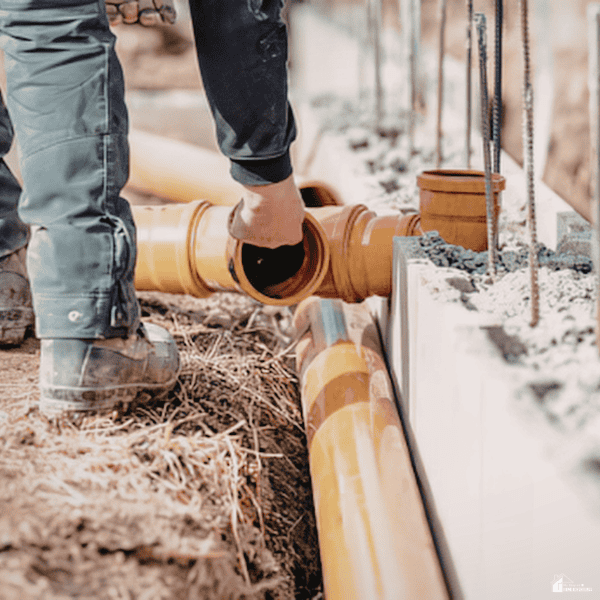
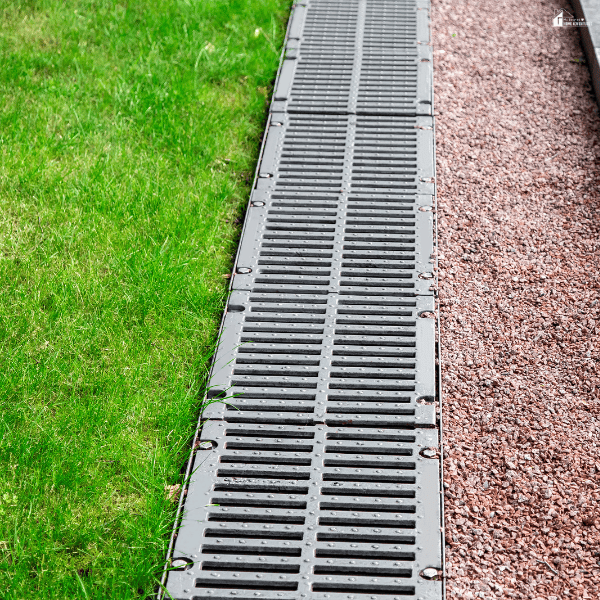
A strong base will ensure a safe, stable and long-lasting lawn. If you don't prepare properly, you can run into trouble very quickly. There could be water beneath the surface. The ground may be uneven or unstable. Odors can form, particularly in pet areas.
These problems are prevented from occurring in the first place by good drainage.
Imagine you are building a house. You would not skip the base. Same idea here. When the base is right, everything else works better.
What Features Should You Expect in a Quality Artificial Lawn?
Not all artificial lawns are the same. Some look real. Some feel real. Others… not so much.
So how do you know the difference?
First, pay attention to the details.
Material and Build Quality
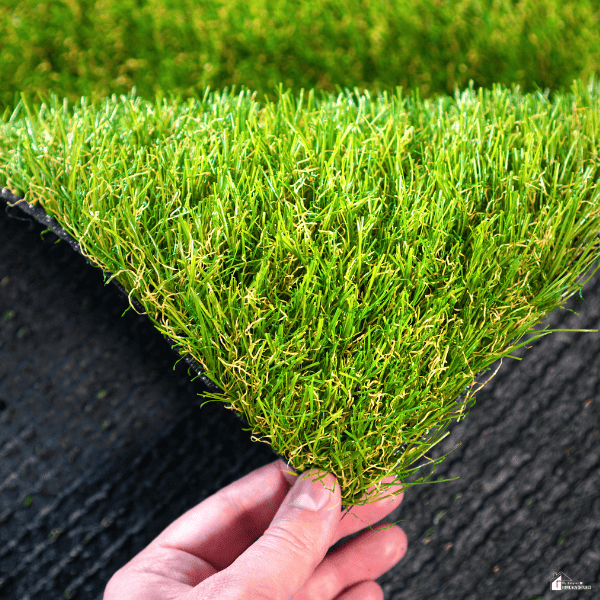
Look at the grass fibers closely. Are they thick and heavy? Do they feel hard? Do they spring back up when you push them down?
Higher-quality materials generally last longer and are better at taking a beating. They also tend to keep their color and shape over time.
You may also see differences in texture. Some choices feel soft and natural; others feel stiff or plastic-like. If possible, ask to see some samples. Touch 'em. Run ’em down. Imagine how they will feel every day in your yard.
Those small observations can have a big impact.
Warranty and Long-Term Protection
Longevity is durability. You want a lawn that looks good and works well for years, not one that you have to replace sooner than you’d hoped.
That’s where the warranties come in.
A good warranty is usually a sign of confidence in the product. And it also gives you peace of mind.” If something goes wrong, you’re covered.
Before choosing a product, ask yourself some simple questions:
What is the life expectancy?
What is covered under the warranty?
Are there special maintenance requirements to keep the warranty?
If you have clear answers to these questions, you can avoid surprises down the road.
How Much Maintenance Does an Artificial Lawn Need?
Here’s the truth: artificial lawns are low maintenance, but they’re not maintenance-free.
The good news is that maintenance is usually fast and easy. No cutting. No fertilization. No watering schedules; most of the time it's just basic cleaning.
You may want to clear the surface of leaves or debris. 3Occasionally brush the fibers to keep them upright. If any dust or odors build up, rinse the area.
And that’s it.
These little chores make your lawn look fresh and appealing. They also prolong its life. They're the mundane things, just simple things to keep everything running smoothly.
Common Mistakes When Choosing Artificial Lawn
Even the smartest of homeowners can make mistakes in the selection process. The trick is knowing what to look for.
One mistake is to select the least expensive, without regard for quality. It might be cheaper at first, but cheaper materials tend to wear out quicker. That means more repairs or more replacement costs later on.
Another error is to neglect the installation details. Failure to prepare and properly drain can cause long-term problems that are expensive to fix.
Sometimes people choose the wrong product for their needs. A decorative lawn may not survive a busy backyard. You may not even need a heavy-duty lawn for a small garden space.
The lesson is simple: think beyond the short term. Value, performance and fit are important.
Is Artificial Grass Better Than Natural Grass?
That’s a question many homeowners are asking. And it is a good one.
There's something to natural grass. Home sweet home. The smell of fresh after rain. And is generally less expensive to install.
But it does need constant care. Watering. Mow. Fertilization fixes bare spots. Handling of mud.
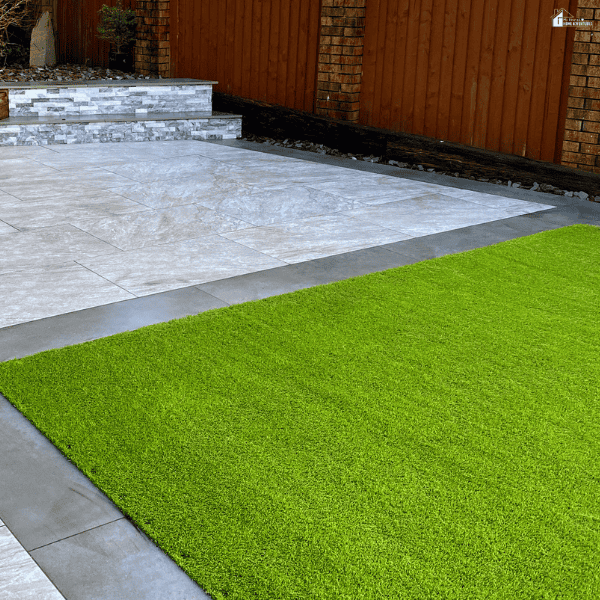
Artificial lawns provide consistency, however. They remain green. They are hard. They need less regular maintenance.
It often comes down to lifestyle.
If you love gardening and don’t mind the regular upkeep, natural grass may be right for you. But if you’re looking for convenience and uniformity, then artificial grass can be a practical option.
They both have their faults. The best choice is the one that works for your daily life.
How Do You Select the Right Installer or Supplier?
Your experience can be made or broken by this step.
A good installer will make sure your lawn looks great and works well. Poor installation can lead to uneven surfaces, drainage problems and premature wear.
So take your time in selecting a supplier.
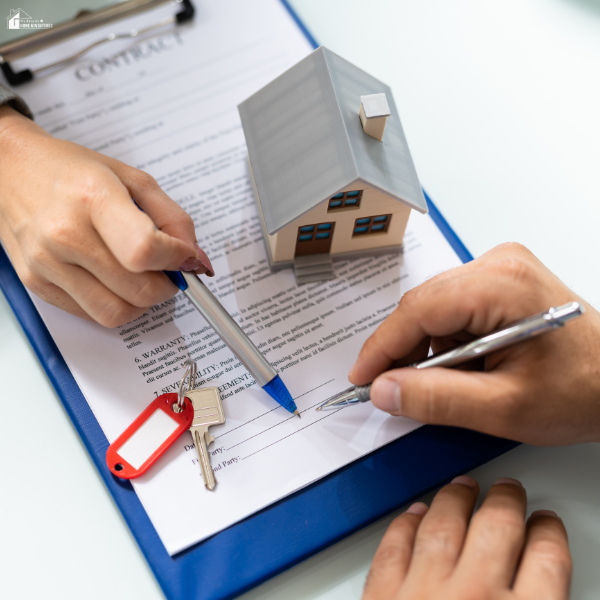
Seek out companies that have great reviews and experience. Ask about past projects. If you can, please provide references. Here, transparency matters.
You can also request to see samples of their work. This gives you a better idea of quality and attention to detail.
And ask questions, please. If your professional is trustworthy, they will be happy to explain the process and answer your questions.
What is the Most Important Thing to Remember Before Choosing an Artificial Turf?
Ultimately, choosing an artificial lawn is all about preparation.
The better you understand your needs, the better your results will be. Consider how you will use the space. Think about your climate. Map out your money. Good installation counts.
These decisions will affect the long-term performance of your lawn.
Artificial grass can be a convenient, long-lasting and always beautiful option for your outdoor space. But the real value is in making informed decisions before you begin installing.
No rush. Query. Compare choices.
And when it’s all said and done, you’ll have a yard that looks good, feels comfortable and suits your lifestyle—day after day, year after year.