A Simple At-Home Routine for Your Dog’s Dental Health (That Actually Fits Into Real Life)
This post may contain affiliate links which might earn us money. Please read my Disclosure and Privacy policies here
If you have ever leaned in for a kiss from your pup and immediately regretted it, you already know dog dental health deserves a spot on the family to-do list.
The good news for busy households? You do not need a fancy setup, a vet tech license, or an extra hour in your day to take care of your dog's teeth. A few simple habits, done consistently, go a long way.
The same is true of mobility as dogs get older, and resources like https://walkinpets.com/ show how simple support gear can keep a stiff or injured dog moving comfortably at home.
For a lot of dog parents, dental care is the wellness category that quietly slips down the priority list. We remember vaccines and flea and tick prevention. We remember to schedule the annual checkup. But brushing?
That tends to fall into the “I'll start next week” pile, right next to the meal-prep plan and the closet reorganization. The truth is, dental care does not have to be perfect to be effective. It just has to be consistent enough to make a difference, and that is something even the busiest household can manage.
Why Dental Care Matters More Than You Think
Most dog parents do not realize that by the time bad breath becomes really noticeable, dental issues may already be brewing under the gumline.
The American Veterinary Medical Association notes that periodontal disease is one of the most common health issues in adult dogs, and it has been associated with inflammation that may affect the heart, liver, and kidneys.
So those pearly whites are not just about a nicer cuddle session. They affect your pup's overall well-being. You can read more about how dental disease connects to whole-body health on the AVMA's pet dental care page.
What makes dental issues tricky is how silently they tend to progress. A pup with a sore mouth often keeps eating, keeps wagging, and keeps showing up for walks like nothing is wrong.
Dogs are remarkable at masking discomfort, which means the responsibility falls to us as dog parents to catch the early signs and stay ahead of trouble. The earlier you build dental care into your routine, the less likely you are to deal with an emergency later.
The Easiest Routine for Real, Busy Households
Here is the truth most blog posts will not tell you: very few dog parents brush their dog's teeth every single day. And while daily brushing is the gold standard, a realistic routine you can actually stick with beats a perfect routine you give up on by week two.
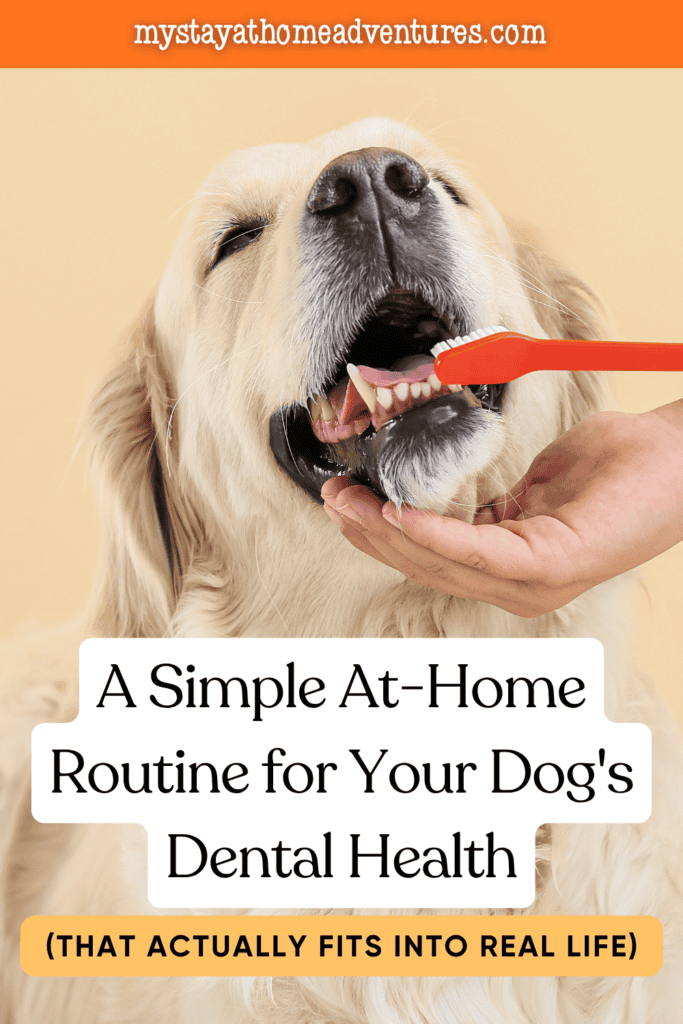
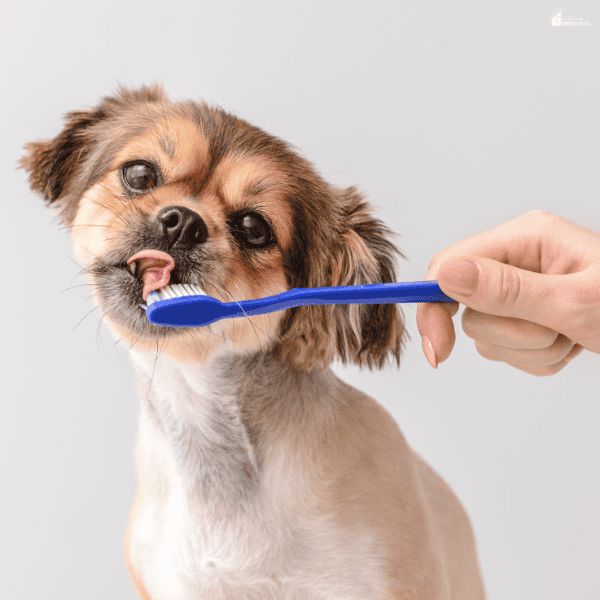
Brushing two or three times a week with a dog-safe toothpaste, paired with treats that help clean dog teeth on the in-between days, is a routine most households can keep up with. Chewing may help reduce plaque buildup, and your pup gets a tasty reward for sitting still while you check their mouth.
If brushing is brand new for your pup, start slow. Let your dog sniff and lick a small amount of dog toothpaste off your finger first. After a day or two of that, gently rub a finger along their gumline. After a few more days, introduce the brush.
Keep sessions short, calm, and full of praise. Dogs pick up on our energy, and a relaxed five-minute session sets the tone for years of cooperation. Picking the same time of day, like right after the evening walk or before bed, also helps your pup learn that this is just another normal part of family life.
Signs to Watch for at Home
You are around your pup more than anyone, which makes you the first line of defense. Keep an eye out for breathing that has gotten noticeably worse, drooling more than usual, dropping food while eating, chewing on only one side of the mouth, or pawing at the face.
Red or bleeding gums and yellow-brown buildup along the gumline are also signs worth a vet call. Smaller breeds in particular can develop dental issues earlier, so a quick weekly mouth check during cuddle time pays off.
Behavioral changes can be just as telling as physical ones. A pup who suddenly loses interest in their favorite chew toy, becomes hesitant about hard kibble, or pulls away when you touch their face may be telling you something hurts.
Older dogs in particular can become quieter or less playful when dental discomfort sets in, and these shifts are easy to chalk up to “just getting older.” Sometimes that is exactly what it is, but a vet visit can help rule out a treatable cause.
What to Look for in a Dental Treat
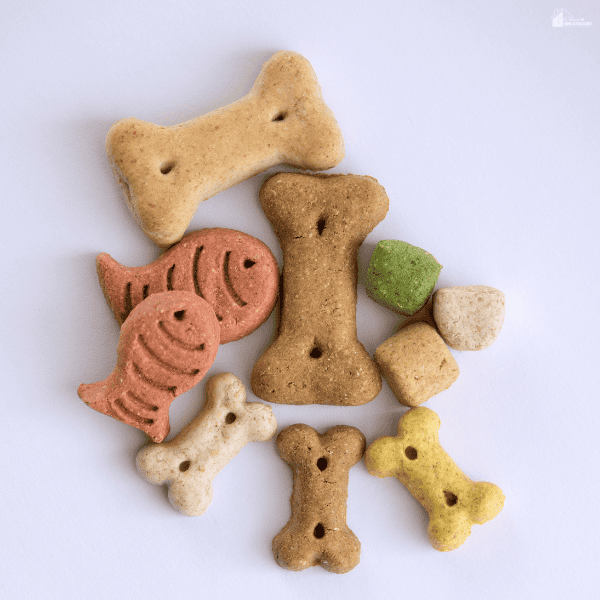
Not all dental treats are created equal, and a quick label check can save you money and protect your pup. Look for treats with a firm but not rock-hard texture, since chews that are too hard can fracture teeth.
Skip artificial colors and flavors when you can, and check the calorie count to make sure treats and chews together stay under about 10 percent of your pup's daily calories. The Cornell University College of Veterinary Medicine has helpful background on what actually supports gum health and what is just marketing.
A few quick tips when you are reading the label. Look for recognizable ingredients near the top of the list, since those are present in the largest amounts. Watch for added sugars or sweeteners, which have no place in a dental product. And size matters.
A treat that is too small for your pup may get swallowed in one or two crunches, which means very little of the chewing action that helps with plaque. Match the chew to your dog's size and chewing style, and supervise your pup while they enjoy it.
Build It Into Your Day So It Sticks
The trick to making any new routine stick is to attach it to something you already do. Brush after the morning walk while the kids are eating breakfast. Hand out a dental chew right after dinner cleanup. Do a quick mouth check on Sunday nights when you trim nails or run the lint roller over the couch.
Five minutes a few times a week is all it takes, and those small habits may help reduce the likelihood of more expensive dental procedures later on while supporting better long-term comfort for your pup. They may also lead to a lot less wincing when your dog yawns in your face.
A simple visual reminder can help, too. Stick a small calendar on the inside of a cabinet door, or set a recurring phone reminder for brushing days. If you have kids old enough to help, give them a gentle, age-appropriate role.
Holding the toothpaste, handing over the dental chew, or being the official “good job” cheerleader turns dental care into a small family ritual instead of one more chore on your list.
When to Call the Vet
Even with a solid home routine, professional cleanings still matter. Most adult dogs benefit from an annual dental checkup, and your vet can spot issues hiding under the gumline that home care cannot reach.
If you notice a tooth that looks loose, gums that bleed easily, or your pup avoiding hard food or favorite chews, do not wait it out. A quick call now can prevent a much bigger (and more expensive) procedure down the line.
It also helps to ask your vet questions during the regular checkup, even if nothing seems wrong. Ask what stage their gums look to be in. Check whether your dog's breed or age means you should keep an eye on anything specific.
Ask which products they recommend for at-home care. Vets see hundreds of mouths a year and tend to have practical, no-nonsense advice that fits real households. The more partnership you build with your vet around dental care, the easier it becomes to stay ahead of problems.
Small Habits, Big Difference
Taking care of your dog's teeth does not have to be one more thing you feel guilty about. A few small habits, woven into the day you are already living, are enough to make a real difference for the pup who follows you from room to room.
Start small, stay consistent, and give yourself grace on the days the routine slips. The goal is not perfection. It is showing up enough times, in enough small ways, that your dog gets to keep enjoying every kiss, every yawn, and every favorite chew toy for as many years as you have together.