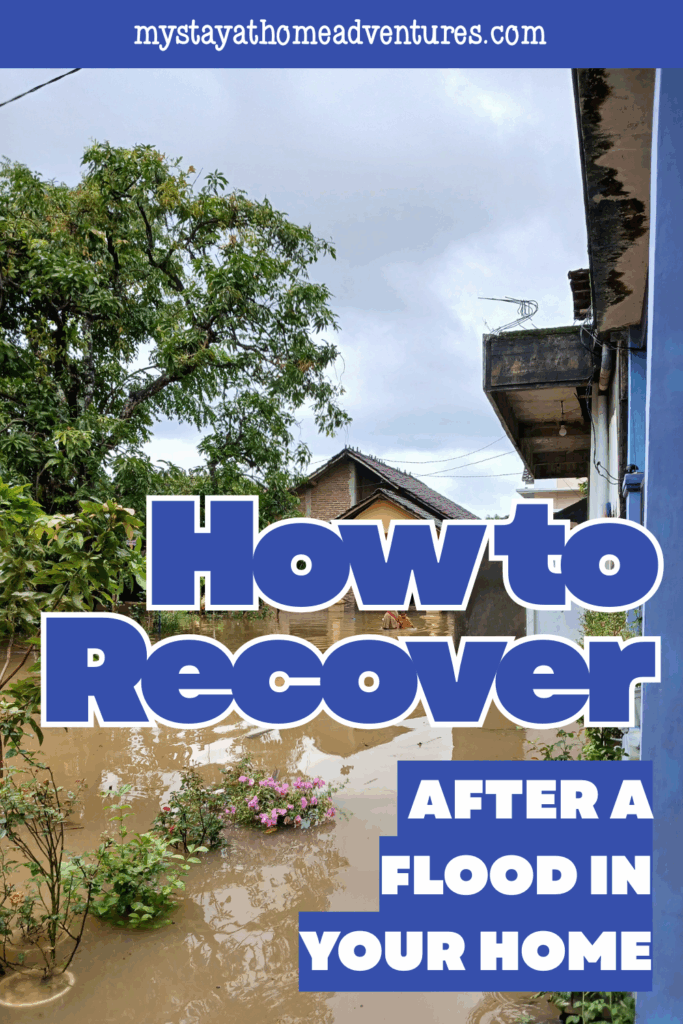
How to Recover After a Flood in Your Home
This post may contain affiliate links which might earn us money. Please read my Disclosure and Privacy policies here
Walking into your basement or kitchen and seeing standing water is a gut punch. It doesn’t matter if it came from a burst pipe or a massive storm; the feeling is always the same mix of panic and heartbreak. Your home is supposed to be your safe spot, and seeing it wrecked is stressful.
But while that initial shock is hard to shake, what you do in the first few hours makes all the difference between a quick cleanup and a total renovation.
You need a game plan, fast. Here is how to tackle the mess without losing your mind.
First, Stop and Check for Danger
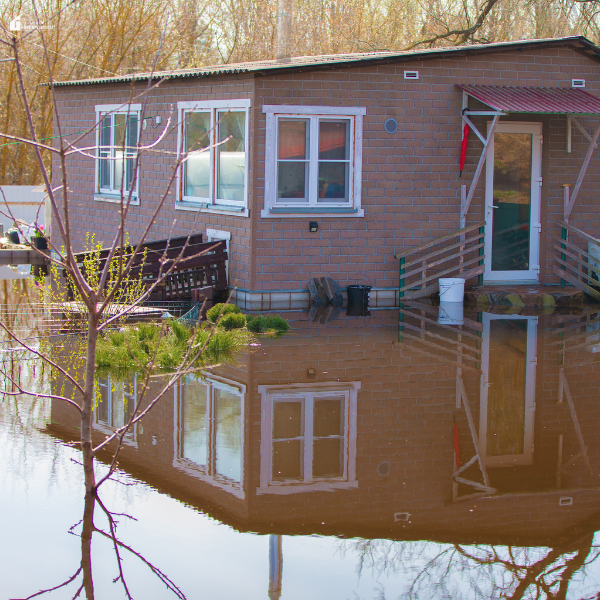
Your instinct will be to run in and grab your stuff. Don’t. You have to make sure you aren’t walking into a trap. Floodwater hides things. If the water is high enough to touch outlets or your appliances, the whole room could be electrically charged. Cut the power at the breaker box before you step a foot in that water.
You also need to know where the water came from. If it’s just a leaky pipe, that’s one thing. If it’s a sewage backup? That is a whole different nightmare. That water is full of bacteria and biohazards. Honestly, if it’s sewage, don’t even try to DIY it. It’s not worth getting sick over.
Get the Water Out Now
The clock is ticking. Water is destructive, and the longer it sits, the more it eats away at your drywall, subfloors, and carpets. If it’s safe, start hauling water out. Use a wet-dry vac, buckets, whatever you have. Open up the windows and get the air moving.
The tricky part is the water you can’t see. Moisture loves to hide inside walls and under floorboards. A couple of box fans usually won’t cut it for deep drying. If you are dealing with serious soaking, you can find a local restoration company through a specialized directory.
This is usually the smartest move because they have industrial-grade dehumidifiers that pull moisture out of the actual structure of the house, not just the surface.
The Mold Clock is Ticking
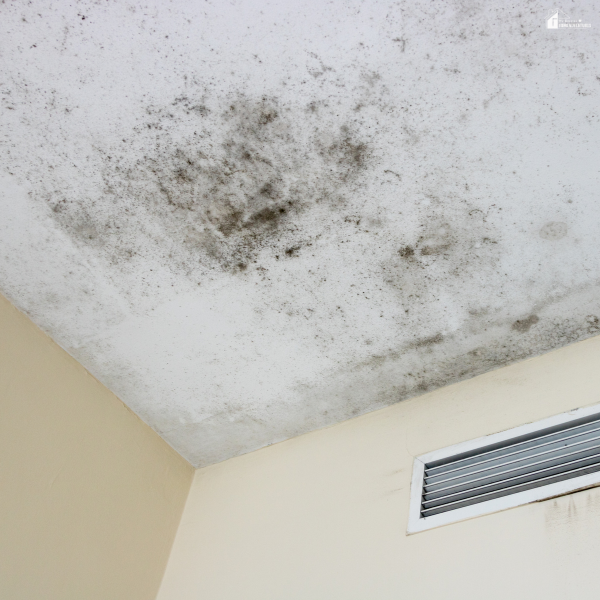
Mold is the uninvited guest that shows up right after a flood. It only takes about 24 to 48 hours for it to start growing. Once it gets into porous stuff like drywall or insulation, it is incredibly hard to kill. Plus, it’s bad for your lungs.
A lot of people just spray bleach on it and call it a day, but that rarely fixes the root issue. Real remediation means scrubbing, disinfecting, and, most importantly, controlling the humidity so the mold doesn't just grow right back next week.
Take Pictures of Everything
While you are scrambling to clean up, don’t forget to protect your wallet. Your insurance company is going to need proof. Before you throw away that ruined rug or tear out the soggy drywall, take pictures. Take videos. Document how high the water got.
If you end up hiring pros, they are usually pretty good at helping with this part. They deal with insurance adjusters all the time and can often send updates and proof of damage directly to your carrier, which saves you a massive headache later.
Dealing with a flooded house is a marathon, not a sprint. It’s exhausting, but you will get through it. Focus on safety first, get the moisture out as fast as possible, and don’t be afraid to call in the cavalry if the job is too big. Taking the right steps now means you get to go back to normal life a lot sooner.