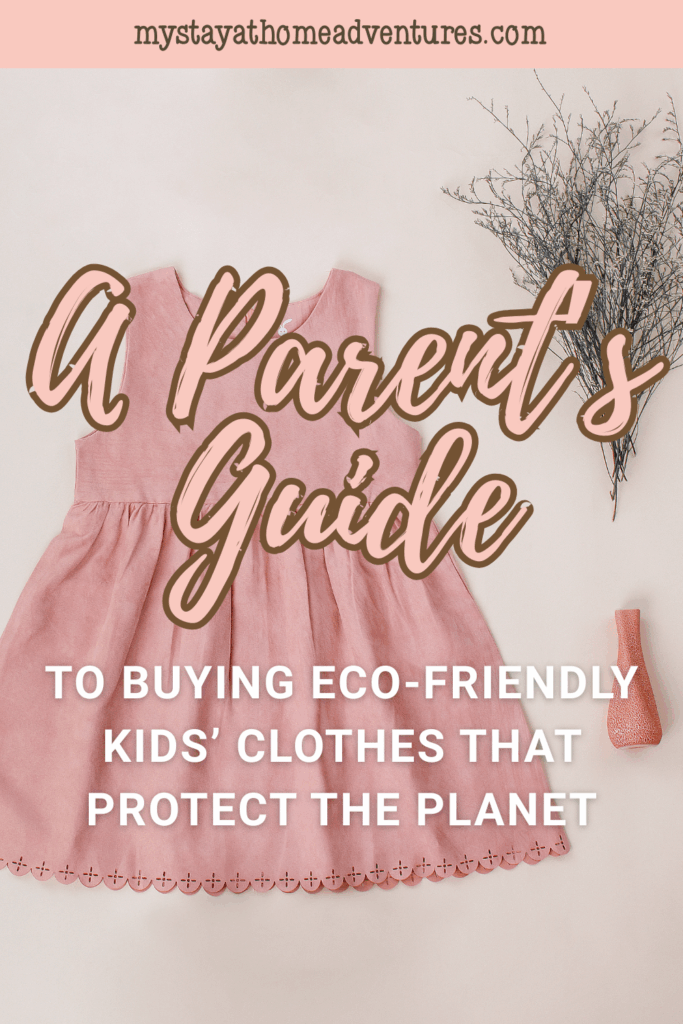
A Parent’s Guide To Buying Eco-Friendly Kids’ Clothes That Protect The Planet
This post may contain affiliate links which might earn us money. Please read my Disclosure and Privacy policies here
Parenting means constantly making choices, from the meals we serve to the clothes our children wear. But one of the most overlooked ways we can make a lasting difference is through how we shop for our kids.
Children outgrow outfits quickly, which often leads to piles of discarded clothes and unnecessary waste. By making mindful shopping choices, we can reduce that impact, save money, and set an example for the next generation.
Before refreshing your child’s wardrobe, consider exploring options like sustainable kids clothes made with eco-friendly materials and responsible production practices. Choosing pieces that last longer and are made ethically doesn’t just benefit the environment; it helps build a culture of care and awareness at home.

Here’s how to approach buying clothes for your children in a way that’s both practical and planet-friendly.
Understanding What “Sustainable” Really Means
Sustainable clothing is about more than organic cotton labels or trendy buzzwords. It’s a commitment to responsible practices across every stage, from fabric sourcing to manufacturing and packaging.
A truly sustainable garment is made from materials that require fewer resources, like organic cotton, bamboo, or Tencel, and are produced under fair working conditions. It’s also designed to last longer, resist wear, and stay out of landfills for as long as possible.
In short, sustainable fashion values longevity, ethics, and accountability over volume and fast-changing trends.
Why Quality Should Always Come First
Parents often buy cheap clothes in bulk because children grow quickly. But those bargain finds rarely last a season. The seams fray, colors fade, and fabrics stretch after just a few washes.
High-quality pieces, on the other hand, not only look better but also endure rough play, frequent laundry, and multiple hand-me-down cycles. Choosing thicker fabrics, strong stitching, and adjustable fits, like elastic waistbands or rollable sleeves, ensures the clothes grow along with your child. A smaller, well-made wardrobe often outlives a closet full of disposable items.
Choosing Fabrics That Are Gentle On The Planet
Not all fabrics have the same environmental footprint. When shopping for kids’ clothes, pay attention to what the item is made of and how it’s produced.
Organic cotton is a top choice since it’s grown without harmful pesticides and uses significantly less water. Bamboo offers softness and breathability while being renewable and biodegradable. Tencel (also known as Lyocell) is made from responsibly sourced wood pulp using a closed-loop system that recycles water and solvents.
Recycled fabrics are also worth considering, many brands now create new garments from old textiles or recycled plastic bottles. The key is to look for certification marks like GOTS (Global Organic Textile Standard) or OEKO-TEX, which verify safe and sustainable production.
Supporting Ethical Brands
Sustainability isn’t only about materials, it’s about people too. Ethical brands disclose how and where their clothes are made, ensuring fair wages, safe working conditions, and minimal environmental impact.
When browsing, take a moment to check if a company shares its sustainability policy or transparency report. Genuine eco-conscious brands are proud to explain their process. If you can’t find any clear information, the label may be greenwashing, using “eco” terms without real proof.
Choosing to support smaller, mission-driven businesses can make a real difference. You’re not just buying clothes; you’re investing in a movement toward fairness and responsibility in fashion.
Making Pre-Loved Clothes Part Of The Routine
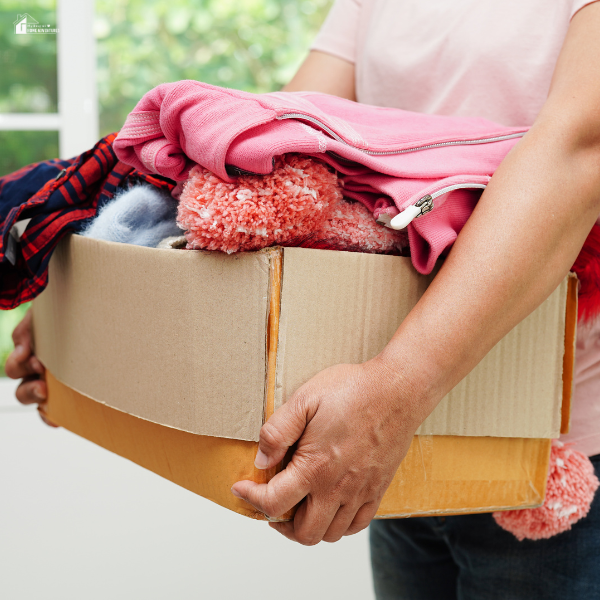
Buying new isn’t always necessary. Second-hand and pre-loved clothes are becoming increasingly popular for a reason: they’re affordable, sustainable, and often just as stylish.
Check local consignment shops, online resale platforms, or neighborhood swap groups. You might find barely worn pieces that cost a fraction of the original price. Embracing pre-loved items reduces the demand for new production and keeps textiles in circulation longer, which is one of the easiest ways to reduce waste.
Encourage your kids to take pride in the “reuse and re-love” mindset; it’s a simple but powerful environmental lesson.
Caring For Clothes To Make Them Last
Even the most sustainable purchase loses its value if it’s poorly maintained. How you wash and store your children’s clothes can significantly extend their lifespan.
Wash with cold water to preserve fabrics and color while saving energy. Choose gentle, biodegradable detergents free from harsh chemicals. Whenever possible, hang clothes to dry rather than tumble-drying them, it uses less power and reduces wear on fibers.
Small repairs, like mending seams or replacing buttons, can keep clothes in use much longer. Teaching kids these basic care skills helps them appreciate what they own.
Buying With Intention
Before purchasing something new, pause and ask a few simple questions:
Does my child really need this? Will they wear it often? Does it match what they already have?
These quick reflections can prevent overbuying and reduce clutter. Children usually prefer comfort over fashion trends, so focus on soft textures, neutral colors, and versatile styles that can be layered or passed down.
Buying intentionally turns shopping into a thoughtful act rather than a reflex, something both your wallet and the environment will thank you for.
Teaching Kids About Conscious Choices
Sustainability starts with awareness. Explain to your children why you choose eco-friendly clothes, reuse old ones, and donate what’s no longer needed. Involve them in sorting their wardrobe or choosing pieces made from recycled materials.
When kids understand the “why” behind these actions, they become active participants in caring for the planet. These early lessons build habits that last a lifetime, a powerful legacy to leave behind.
Choosing sustainable kids’ clothing is about more than fashion; it’s about shaping values and protecting the future. Every conscious decision, from buying high-quality materials to supporting ethical brands, contributes to reducing waste and preserving the environment for generations to come.
By shopping intentionally, maintaining clothes with care, and teaching children about mindful consumption, families can help turn small, everyday choices into meaningful change.
Because sustainability isn’t just something we wear, it’s something we live.