Storing Family Stuff In a Damp Brooklyn Basement
This post may contain affiliate links which might earn us money. Please read my Disclosure and Privacy policies here
It happens every November. You carry the holiday bins up from the basement, pop a lid, and get hit with a sour, musty smell. The cardboard box underneath has gone soft, and there are gray spots on the wrapping paper.
Most of the time the fix is a better storage setup, not a big bill. If the smell keeps coming back, Brooklyn mold remediation experts at NYC Mold Removal Services offer same-day brownstone and basement assessments.
Everything else in this guide is work a family can do with a free weekend and what is already in the house.
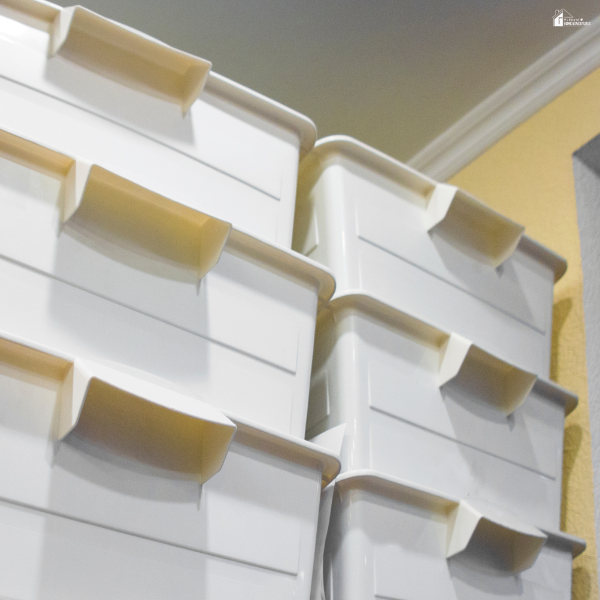
Why Do Brooklyn Basements Turn Storage Musty?
Many Brooklyn homes are 19th-century brownstones, built before modern waterproofing, as NYC Mold Removal Services points out. They sit at or below the local water table. The company also notes that rubble or brick foundations wick moisture from the soil.
Coastal neighborhoods add another layer. The same page notes that flooding in Sandy zones can leave long-term moisture in foundations and walls. Old cast-iron pipes in pre-war row houses can leak behind tile and plaster too.
Stored belongings soak up that damp air, especially paper, fabric and cardboard. The National Archives advises keeping relative humidity below 65% to prevent mold growth in family papers. It also warns against storing papers and photos in damp basements, garages and hot attics.
How Can You Set Up Damp-Resistant Storage On a Budget?
You do not need new furniture. A few changes to how and where things sit make the biggest difference.
- Get everything off the floor. Use shelving you already own, or raise boxes on spare boards. The National Archives recommends keeping items on a shelf so they do not get wet.
- Pull storage away from pipes and windows. The same guidance says to keep things away from leak sources such as pipes, windows and known roof leaks.
- Swap soft cardboard for bins that wipe clean. Pack only items that are fully dry, then label every lid.
- Move the irreplaceable stuff upstairs. Birth certificates, school artwork and printed photos belong in a closet on a living floor.
- Leave a gap between shelves and the wall. Air needs room to move behind your stored things.
- Check the space once a month. A cheap humidity meter shows whether a corner stays damp.
Good storage hacks upstairs, like under-bed bins, free up room for the things that should never sit below grade.
Which Packing Materials Hurt Papers and Photos?
Frugal packing is great until it damages the very things you meant to save. The National Archives lists materials to avoid with family papers and photographs, including:
- Synthetic white glue and hot glue
- Degraded pressure-sensitive tape
- Self-stick “magnetic” photo albums
- Staples and paper clips that are not stainless steel
- Rubber cement
- Unknown plastics or PVC plastics
Its guidance favors boxes and folders made of lignin-free, acid-free board, sized so papers lie flat without folding. It also suggests keeping storage areas below 75 degrees Fahrenheit. A sturdy box on a bedroom closet shelf beats a free grocery-store carton on a cellar floor.
What Should You Keep, Clean or Toss After Mold?
When a box has already gone musty, sort before you scrub. The EPA's online mold course sorts water-damaged belongings like this:
| Item | What EPA's Mold Course Suggests |
| Hard plastic and metal items | Vacuum or damp wipe with water and mild detergent, then let them dry |
| Books and papers | May have to be discarded; ask a restoration expert about valuable ones |
| Upholstered furniture | Hard to dry fully within 48 hours; call a furniture specialist if it is valuable |
| Window drapes | Follow the manufacturer's laundering or cleaning instructions |
| Ceiling tiles, insulation and drywall | Often have to be discarded once moldy |
Bag anything you toss before carrying it through the house. Then wipe down the shelf it sat on before restocking.
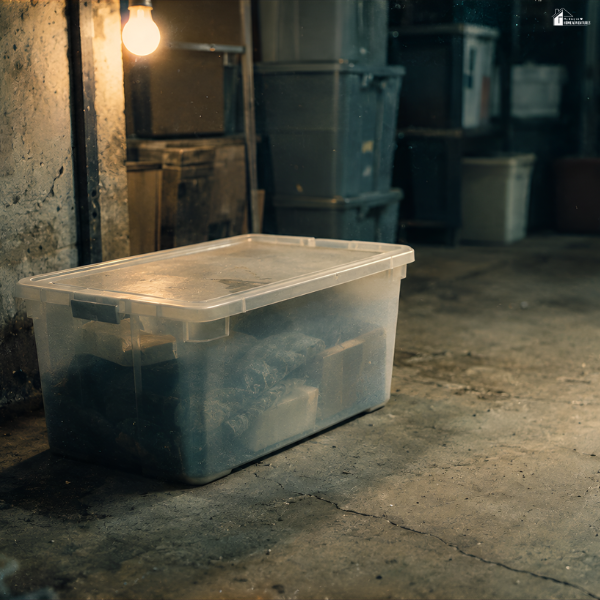
What Changes After a Basement Floods?
Speed matters most. EPA's mold course says that in most cases mold will not grow if wet items are dried within 24 to 48 hours.
Water source matters too. EPA's cleanup guidance is written for clean water. If you know or suspect sewage or chemical contamination, it says protective equipment and containment are required by OSHA. It also says not to run fans until you know the water is clean.
Take photos of damaged items before anything goes to the curb. Note what each box held and roughly when it got wet. NYC Mold Removal Services lists insurance claim assistance and documentation among its services.
Its FAQ also notes that homeowner's insurance usually excludes mold from flooding, so check your policy first. Pictures make any claim easier to document.
A flooded basement is also a good reminder to keep flashlights, batteries and first-aid supplies somewhere high and dry.
When Is Musty Storage More Than a Storage Problem?
Better shelves cannot fix a wet wall. EPA's mold course calls mold patches under 10 square feet a small job and those from 10 to 100 square feet a medium one. Watch for signs that point past your boxes:
- Visible growth spreading across a wall, not just on stored items
- A musty smell that returns within weeks of a full clean-out
- Damp patches or stains behind shelves after every storm
- Water marks along the bottom of a brownstone cellar wall
- Family members noticing symptoms that seem worse downstairs
Any of these suggests the moisture is in the building, not the bins. That is the point to have the space itself checked.
A Drier Corner for the Things You Keep
Treat the basement as a place for sturdy, washable things. Keep papers and keepsakes on a living floor, lift everything else off the ground, and check the space each month. For more frugal ways to organize the rest of the house, start with what you already own.
Frequently Asked Questions
Are Plastic Bins Better Than Cardboard Boxes In a Basement?
Plastic bins wipe clean and do not go soft in damp air, so they usually hold up better. Only pack items that are completely dry, or moisture gets trapped inside.
Can I Save Moldy Books and Family Papers?
EPA's mold course says moldy books and papers may have to be discarded. For anything valuable or sentimental, it suggests asking a restoration expert before you decide.
How Dry Should a Storage Area Be?
The National Archives recommends relative humidity below 65% to prevent mold in stored papers. It also warns that levels below 15% can make papers brittle.
Should I Clean Basement Mold Myself?
Small patches on hard surfaces are often a household job. EPA's mold course treats mold over 10 square feet as more than a small job. Repeat growth or water from sewage also calls for a professional.