Simple Home Upgrades For A Cozier Stay-At-Home Experience
This post may contain affiliate links which might earn us money. Please read my Disclosure and Privacy policies here
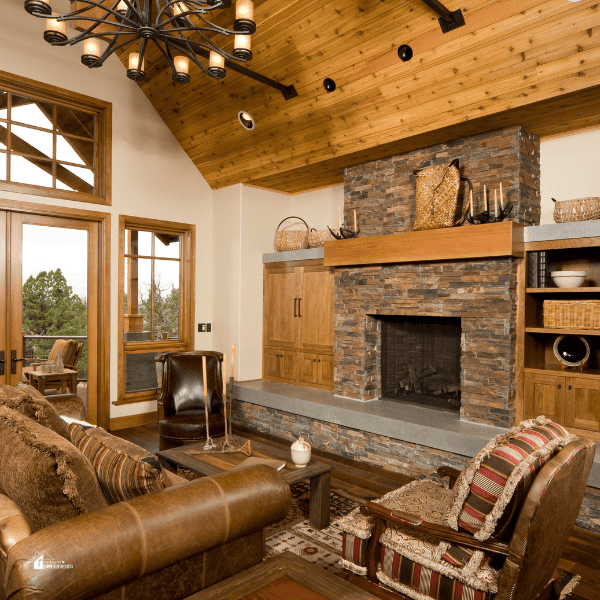
Spending weekends indoors turns personal living spaces into sanctuary zones. A thoughtful home update makes daily life far more comfortable without triggering massive renovation projects.
Investing in interior comfort creates long-lasting value for residents. Small modifications pay off instantly through better rest and reduced stress.
Layering Textiles For Instant Warmth
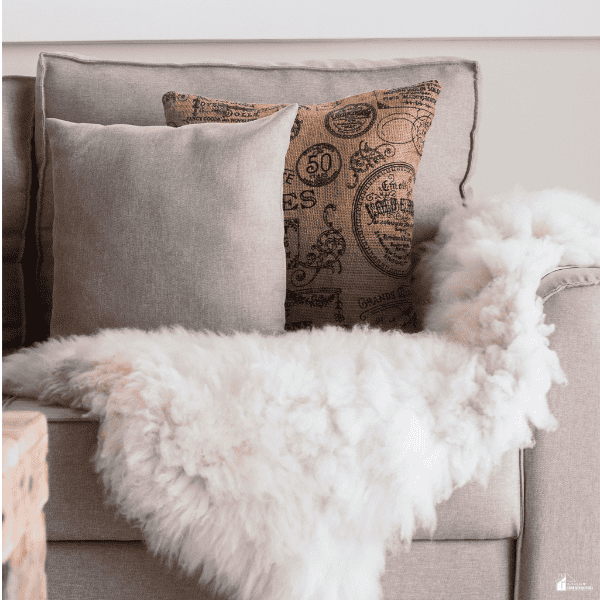
Soft fabrics change the mood of any room almost immediately. Plush throws and thick area rugs trap floor heat and add welcoming textures to hardwood flooring. Combining wool blankets with cotton sofa covers builds a multi-layered aesthetic.
Selecting neutral tones creates visual tranquility across shared living areas. Heavy curtains block cold nighttime drafts from entering through thin window frames. Swapping light summer textiles for heavy weaves prepares living rooms for chilly evenings.
Durable fabric choices withstand daily wear from pets and family members. Layered cushions provide extra support during long reading sessions or movie nights. Simple textile adjustments keep spaces feeling plush without requiring high spending.
Upgrading Window Treatments And Frames
Glass surfaces represent major areas of heat transfer inside residential buildings. Outdated frames often leak conditioned air into outdoor spaces during seasonal temperature shifts. Modern window upgrades stop unwanted air movement and protect indoor temperatures.
Homeowners often look for thermal improvements to keep winter drafts outside. Reviewing standard double glazed window pricing allows buyers to plan sensible home improvement budgets. Quality window installations shield interior spaces from heavy street noise.
Adding insulated drapery over renovated frames doubles thermal resistance. Draft stoppers placed along baseboards prevent cold air currents near floor levels. Proper sealing techniques protect window sills against moisture accumulation.
Adjusting Lighting Schemes For A Relaxing Mood
Harsh overhead lights often ruin peaceful evening settings. Replacing high-kelvin bulbs with warm illumination transforms stark rooms into cozy retreats. Smart dimmers give residents total control over room brightness throughout the day.
Strategic placement of lamps creates distinct illumination pockets across large rooms. Implementing multiple light sources improves room atmosphere:
- Floor lamps with frosted globes diffuse harsh shadows.
- Table lamps on side cabinets highlight cozy reading corners.
- Under-cabinet strip lights add soft accents in kitchens.
Warm lighting schemes reduce eye strain after long hours looking at digital screens. Accent lamps highlight artwork and decor without overwhelming room proportions. Thoughtful bulb selection maintains a relaxing vibe from sunset to bedtime.

Managing Indoor Climate And Insulation
Maintaining steady indoor temperatures keeps living spaces pleasant during extreme weather patterns. Proper insulation works silently behind walls to preserve artificial heating or cooling. Simple fixes around doors and attic hatches yield immediate comfort gains.
A scientific paper observed that double glazing provides moderate insulation in warmer climates without cutting off natural sunlight. Retaining bright daylight prevents rooms from feeling dark or confined during winter months. Combining daylight entry with thermal defense maximizes indoor living comfort.
Weatherstripping around exterior doors shuts out subtle breeze leaks. Programmable thermostats optimize energy usage based on daily family routines. Balanced air distribution prevents cold spots from forming in corner bedrooms.
Maximizing Thermal Efficiency In Common Areas
High-traffic areas require efficient temperature management to lower utility costs. Heating large open-plan living rooms consumes significant energy when glass surfaces leak warmth. Targeted structural improvements stabilize room temperatures throughout peak seasons.
Academic research showed that dual-pane glass cuts peak heating demand by 14.9% and cooling needs by 6.2%. Lower thermal transmittance values protect homes against sudden heat loss during winter snaps. Reducing HVAC workload extends mechanical equipment lifespans significantly.
Ceiling fans set to clockwise rotation push rising heat back down into seating zones. Heavy area rugs stop chill migration through cold floor tiles. Smart airflow management maintains comfortable conditions without driving up monthly power bills.
Incorporating Natural Elements And Greenery
Bringing natural textures indoors connects living spaces with nature. Potted plants purify indoor air and introduce fresh green accents to neutral decor. Wooden furniture pieces add organic warmth that cold synthetic materials cannot match.
Low-maintenance indoor flora like pothos or snake plants thrive under ambient light. Natural stone coasters and earthenware vases bring tactile interest to coffee tables. Clay pots regulate soil moisture and complement rustic interior styling choices.
Natural light reflection improves mental well-being during extended indoor stays. Placing plants near windows maximizes solar exposure for healthy plant growth. Organic accents create a harmonious balance between structural architecture and nature.
Designing Dedicated Quiet Zones
Designating a quiet corner encourages mindfulness and stress reduction at home. A single comfortable armchair paired with a small side table creates an inviting reading nook. Removing clutter from relaxation spaces helps quiet busy minds after work.
Acoustic wall panels absorb sound reflections in rooms with hard flooring. Soft furniture placements interrupt sound waves to create peaceful environment pockets. Sound-dampening materials keep household noise from disrupting quiet study time.
Personalizing quiet zones with books or art pieces makes them feel special. Plush floor cushions provide extra seating options for meditation or quiet conversation. Small dedicated spaces promote daily rest without requiring extra rooms.
Creating a cozy home atmosphere requires simple, deliberate upgrades across seasons. Focused improvements to lighting, textiles, and insulation turn standard rooms into relaxing retreats.
Small changes yield remarkable gains in daily comfort and peace of mind. Investing in interior quality makes stay-at-home experiences genuinely rewarding for years to come.