Monthly Budget Challenge: How to Make It Work in Real Life
This post may contain affiliate links which might earn us money. Please read my Disclosure and Privacy policies here
A monthly budget challenge can sound simple at first.
Pick a goal. Follow a calendar. Check off the tasks. Save money.
But if you have ever tried to follow a budget challenge during a busy month, you already know it is not always that clean. Groceries cost more than expected. Someone needs something you did not plan for. You forget to track a purchase. You have a tired day, an expensive week, or a moment where the budget simply does not go the way you hoped.
That does not always mean the budget challenge failed.
Sometimes it means the challenge is showing you where real life meets your money habits.
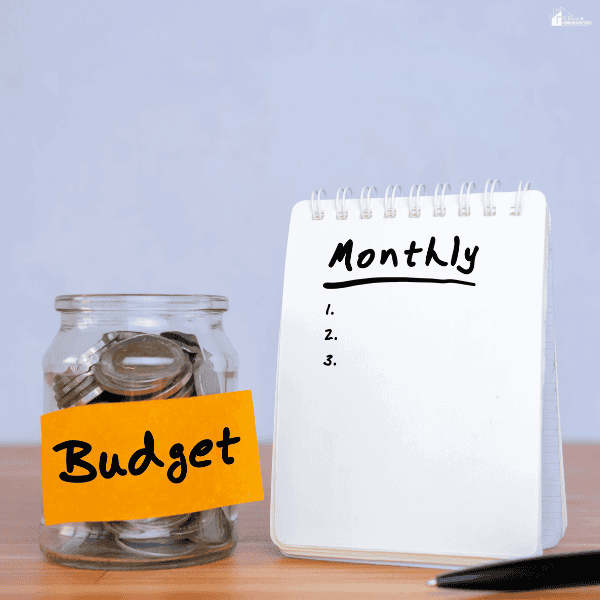
That is why I like monthly budget challenges. Not because they make budgeting perfect. Not because everyone needs another checklist. I like them because they give you a simple way to come back to your money, notice what is happening, and practice small habits that can help after the month is over.
I shared more of my personal thoughts in the video below, but I also wanted to write this out for anyone who likes to take their time with the ideas and choose what feels realistic for their own budget.
A monthly budget challenge can be a helpful tool, especially if you are new to budgeting, trying to lower grocery costs, working with a tight income, or feeling like your money disappears faster than you can track it. The key is choosing a challenge that fits your real life, not one that makes you feel behind before you even begin.
What Is a Monthly Budget Challenge?
A monthly budget challenge is a short-term money reset that gives you one area of your budget to focus on for a set amount of time. Some people follow a 30-day budget challenge with one task each day.
Others choose a grocery budget challenge, a savings challenge, a no-spend challenge, a pantry challenge, or a spending tracker challenge.
The format can change, but the purpose is usually the same. A budget challenge helps you slow down and pay attention.
Someone who is just getting started may benefit from writing down every purchase for a few days. People struggling with grocery costs can check the pantry before shopping or build meals around food they already have at home.
Meanwhile, those dealing with impulse spending may find it helpful to wait 24 hours before making any nonessential purchase.
The best monthly budget challenge is not the one with the strictest rules. It is the one that helps you understand your money better.
A challenge should give you structure, but it should also leave room for real life. Bills still need to be paid, groceries still need to be purchased, and household expenses do not disappear. At the same time, there will likely be days when convenience takes priority because everything else feels overwhelming.
That is why the goal should not be perfection. The goal should be awareness.
Why Monthly Budget Challenges Work
Monthly budget challenges work because they make money habits feel smaller and easier to practice.
A full budget can feel overwhelming when you are trying to look at every bill, every category, every subscription, every grocery trip, every debt, and every savings goal at the same time. When everything feels urgent, it is easy to freeze and do nothing.
A challenge gives you one place to begin.
Rather than telling yourself, “I need to fix my whole budget,” focus on a smaller step and say, “Today I am going to write down what I spent.” Instead of thinking, “I need to save a lot of money,” commit to a simple action like avoiding one extra purchase.
Likewise, if grocery spending feels out of control, start by checking what food is already in the house before buying more.
That small shift matters.
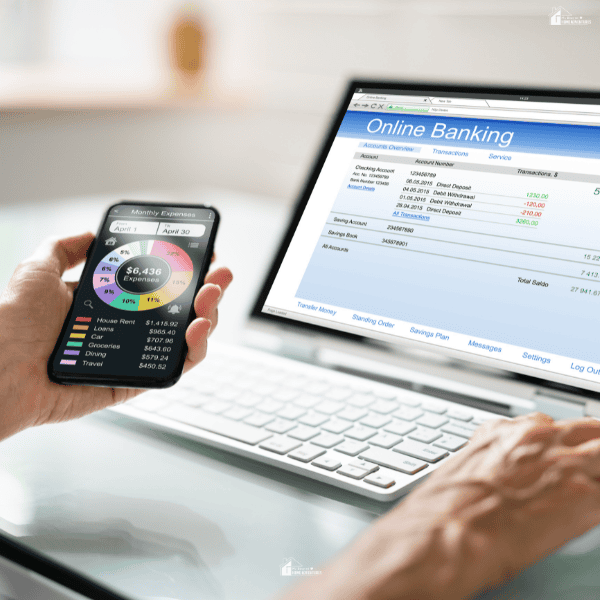
The Consumer Financial Protection Bureau has a spending tracker tool that encourages people to keep track of what they earn and spend to get a clearer picture of their money.
That is one of the reasons budget challenges can be helpful. They are not only about cutting back. They are about collecting information.
When you track your spending, review your receipts, check your pantry, or look at your habits, you start to see patterns. Over time, you might notice that frequent grocery runs are increasing your spending.
In some cases, household supplies may be getting mixed into your food budget and making it harder to track costs accurately. You may also find that fatigue, stress, or a lack of meal planning leads to higher spending than expected.
Once you see the pattern, you can make a better plan.
Why Budget Challenges Sometimes Do Not Work
Budget challenges can be useful, but they can also become frustrating if they are too strict, too vague, or not realistic for your current season of life.
A strict no-spend month may sound motivating, especially if you feel like you need a financial reset. The problem is that very strict rules can make people feel like they failed the moment real life happens. If you need groceries, gas, school supplies, medicine, personal care items, diapers, or something for the house, that spending is not the same as impulse shopping.
A challenge that does not allow for real expenses can quickly turn into pressure.
Investopedia has written about how rigid no-buy challenges can lead to burnout, guilt, or rebound spending when they depend too much on willpower and do not fit everyday life.
That does not mean no-spend challenges are bad. They can be helpful for some people. But they work better when the rules are clear, realistic, and connected to a purpose.
A budget challenge may also fail when the goal is too broad. Saying, “I want to save money,” is a good start, but it helps to know where you are focusing. Are you trying to spend less on groceries? Stop making extra store trips? Track daily spending? Use food from the pantry? Build a small savings habit? Catch impulse purchases before they happen?
The more specific your challenge is, the easier it becomes to follow.
A challenge can also feel discouraging if it does not match your life. A full no-spend month during back-to-school season may be unrealistic. A detailed meal planning challenge may not work during a month full of appointments, travel, or schedule changes. A savings challenge that requires a set amount each day may feel impossible if your income changes or the budget is already tight.
That is why a monthly budget challenge should be flexible enough to help you keep going.
The goal is not to prove that you can follow hard rules. The goal is to learn what helps your budget in real life.
What Makes a Monthly Budget Challenge Realistic?
A realistic budget challenge starts with one clear focus.
Instead of trying to fix groceries, savings, subscriptions, impulse spending, meal planning, and debt all in the same month, choose one area that feels the most important right now.
When grocery costs feel overwhelming, a grocery budget challenge can provide a clear starting point. On the other hand, if money seems to disappear without explanation, a spending tracker challenge may help you identify where it is going.
People who already have plenty of food at home can benefit from a pantry and freezer challenge. Meanwhile, those who frequently make quick store runs that lead to extra purchases may want to focus on cutting back on those trips.
A realistic challenge also uses small tasks that match your actual life. If cooking every meal at home for 30 days feels impossible, do not start there. Try planning three easy backup meals instead. If saving $10 a day is too much, try saving $1 to $5 when you can or write down money you avoided spending.
A realistic monthly budget challenge should help you feel more aware, not more ashamed.
A good challenge gives you something to return to after a difficult or unpredictable day. Along the way, it helps you recognize your spending habits and identify patterns. More importantly, it encourages you to build routines that can continue long after the challenge is over.
That is where the real value is.
Monthly Budget Challenge Ideas That Can Work in Real Life
There are many kinds of monthly budget challenges, and they do not all have to look the same. The right one depends on what you need help with right now.
Below are realistic budget challenge ideas with more detail, so you can choose the one that fits your life instead of trying to force yourself into a challenge that does not make sense for your budget.
1. The Spending Tracker Challenge
A spending tracker challenge is a good place to start if you feel like money is disappearing and you are not sure where it is going.
For this challenge, you track what you spend for a set amount of time. You can start with one day, then try three days, then one week. If you feel ready, you can track for the full month.
Write down everything: bills, groceries, gas, snacks, online orders, drive-thru stops, household items, personal care, subscriptions, and quick purchases that are easy to forget.
The point is not to judge every purchase. The point is to see the full picture.
Many people remember the big expenses but forget the smaller ones. A few dollars here and there may not feel like much, but repeated over a month, those purchases can explain why the budget feels tighter than expected.
A spending tracker challenge helps you gather information. After a few days, you may notice that extra stops are adding up, that you spend more on busy days, or that certain categories need more room in the budget.
This challenge works well for beginners because it does not ask you to change everything at once. It simply asks you to look.
2. The Grocery Budget Challenge
A grocery budget challenge is helpful if your food spending feels high, unpredictable, or hard to control.
For this challenge, choose one grocery habit to focus on during the month. You might track every grocery trip, separate food from household items, make a list before shopping, plan meals from what you already have, or set a realistic weekly grocery goal.
The goal is not to create a perfect meal plan. The goal is to understand what is making groceries expensive for your household.
In some cases, rising food prices are the main issue. For others, frequent extra trips to the store gradually increase spending.
Sometimes snacks, drinks, paper goods, personal care products, and household supplies all get grouped into the grocery category, making food costs seem higher than they are. You may also find that food already available at home goes unused while new items continue to be purchased.
A grocery budget challenge helps you slow down and look at those details.
For example, you might choose to review every grocery receipt for one month. Instead of only looking at the total, separate each receipt into food, household, personal care, snacks and drinks, and extras. That one habit can show you what is really pushing the total higher.
This kind of challenge is especially useful for families because groceries are rarely just groceries. A single store order can include dinner ingredients, shampoo, paper towels, vitamins, lunchbox snacks, and cleaning products. Separating those items helps you plan better next time.
3. The Pantry and Freezer Challenge
A pantry and freezer challenge is a good choice if you have food at home but keep buying more.
The goal is to use what you already have before adding more to the grocery list. This does not mean you stop grocery shopping completely. It means you begin with the food already in the house.
Start by checking the pantry, fridge, and freezer. Look for meat, frozen vegetables, pasta, rice, beans, canned goods, sauces, bread, leftovers, fruit, baking items, and anything that has been sitting there for a while.
Then choose a few meals around those items.
For example, ground beef in the freezer can become tacos, pasta, rice bowls, soup, or burgers throughout the week. Frozen vegetables also offer plenty of flexibility and can be added to eggs, soup, fried rice, pasta, or a simple dinner bowl.
Likewise, canned beans, rice, and a few seasonings provide the foundation for an easy and affordable meal.
This challenge helps reduce waste and can lower grocery spending because you are not shopping like the kitchen is empty.
It also helps you see what you tend to buy but not use. That information can help with future grocery lists.
4. The Receipt Review Challenge
A receipt review challenge is helpful if you look at your spending total and feel confused about where the money went.
For this challenge, save your receipts for a week or a month and review them with categories in mind. You do not need a complicated system. Start with simple groups: food, household, personal care, snacks and drinks, and extras.
This is especially helpful for grocery store receipts because those receipts often include more than food.
You may think you spent $180 on groceries, but after reviewing the receipt, you may see that $40 went to household items, $25 went to personal care, and $20 went to snacks or drinks. That does not mean those purchases were wrong. It means the grocery total was not only food.
That distinction matters because it helps you create a more honest budget.
Regular increases in household purchases may signal the need for a separate household category. Likewise, recurring personal care expenses often deserve a dedicated place in your budget. Meanwhile, higher-than-expected spending on snacks and drinks gives you a chance to decide whether to adjust that category.
A receipt review challenge helps you stop guessing.
5. The No Extra Store Trips Challenge
Extra store trips can quietly increase spending.
A quick trip for one item can turn into a cart with snacks, drinks, household items, clearance finds, and something that looked useful in the moment. The problem is not always the item you needed. The problem is everything that came home with it.
For this challenge, focus on reducing extra store trips.
You do not have to eliminate every trip. Start by skipping one unplanned trip each week. Before leaving the house, ask if the item can wait, if you already have a substitute, or if you can add it to the next planned grocery order.
This challenge works well for families because small trips often happen when life is busy. Maybe dinner was not planned, or snacks ran out. Maybe someone needed something for school or you were already out and decided to stop.
The goal is not to make life harder. The goal is to create a pause before spending more.
If you still need to go, make a short list and stick to it as much as possible. Even that can help.

6. The Realistic No-Spend Challenge
A no-spend challenge can be helpful, but it needs realistic rules.
A no-spend challenge usually means avoiding nonessential spending for a set amount of time. That could be one day, one week, certain weekdays, or a full month. For beginners, starting with one no-spend day is often better than trying to do an entire month right away.
The key is defining what counts as essential before you start.
Bills, rent or mortgage, gas, groceries, medicine, and necessary household items may still need to be paid for. A realistic no-spend challenge focuses on extras: online shopping, drive-thru meals, random store trips, impulse purchases, extra snacks, or convenience spending that can wait.
Planning ahead makes this challenge easier.
When avoiding drive-thru meals is part of the challenge, keep a simple dinner option available at home. Similarly, if you want to reduce extra store trips, take time to check your supplies before the week begins.
For those focusing on limiting online shopping, removing saved payment information or logging out of shopping apps can make impulse purchases less convenient.
A no-spend challenge should help you notice habits, not make you feel trapped.
7. The Impulse Spending Pause Challenge
An impulse spending pause challenge is a good fit if small purchases happen quickly and often.
For this challenge, create a waiting period before buying anything that is not necessary. A 24-hour pause is a good place to start.
When you see something you want online, leave it in your cart and revisit it the next day. Likewise, if an item catches your attention in a store, take a photo and give yourself time to think before buying it. Most importantly, remember that a sale does not save money if the purchase was never part of your plan or something you truly needed.
The pause gives you time to think.
Sometimes you will still want the item the next day, and it may fit your budget. Other times, the urge will pass.
This challenge is not about never buying anything. It is about creating space between wanting something and spending money on it.
That space can make a big difference.
8. The Subscription Check Challenge
A subscription check challenge is useful because automatic payments are easy to forget.
For this challenge, review subscriptions, memberships, apps, software, streaming services, delivery memberships, cloud storage, kids’ apps, and any other recurring charges.
Start with one account or one card. Look at recent transactions and write down anything that repeats.
Then ask yourself if you still use it, if it is worth the cost, and if you would sign up for it again today.
You do not need to cancel everything. Some subscriptions are useful and worth keeping. The goal is to make sure the money is still going toward something that serves your household.
If you are unsure, pause it for a month if that option is available. A pause can show you if you miss it or if you forgot it existed.
This challenge can free up money without requiring a major lifestyle change.
9. The Small Savings Challenge
A small savings challenge is helpful if you want to build the habit of saving but do not have a lot of extra money.
The amount does not need to be big. You can move $1, $3, $5, or another amount that fits your real budget. The goal is to practice setting money aside.
If transferring money is not possible, you can track money you avoided spending. For example, if you skipped a $6 purchase, write that down as money protected. If you avoided a $20 extra store trip, write that down too.
This helps you see that saving is not only about large transfers. It can also come from small choices.
A small savings challenge works best when it feels doable. When the amount feels too high, adjust it to something more manageable. Likewise, if saving every day seems overwhelming, consider switching to a weekly schedule instead.
People with irregular incomes can save whenever possible and focus on building the habit through consistent tracking rather than a fixed timetable.
The point is consistency, not pressure.

10. The Budget Reset Challenge
A budget reset challenge is a good choice when you need to step back and look at the bigger picture.
This challenge can include several small tasks: reviewing spending, checking categories, looking at upcoming bills, planning for groceries, reviewing subscriptions, and deciding what needs to change next month.
A budget reset challenge is not about blaming yourself for what happened. It is about gathering information and using it to make the next month a little clearer.
Start with what happened last month. Look at what went well, what felt stressful, and what surprised you. Then look at the current month. What expenses are coming and what needs to be planned? What category needs more attention?
This challenge is especially helpful before a new month, a new season, back-to-school, holidays, or any time your spending patterns are changing.
A budget reset helps you move forward with more awareness instead of carrying the same confusion into the next month.
What to Pay Attention to During a Budget Challenge
The tasks matter, but what you notice while doing them matters just as much.
Pay attention to the moments that make spending harder to control. You might notice that fatigue leads to higher spending, or that grocery trips without a list result in duplicate purchases.
In other cases, a lack of an easy dinner plan may trigger extra store runs, while late-night online shopping becomes harder to resist. You may also find that household supplies are inflating your grocery budget and making food costs appear higher than they actually are.
These details are valuable.
A monthly budget challenge gives you a chance to notice them in real time. Instead of waiting until the end of the month and wondering what happened, you can start seeing the patterns while there is still time to adjust.
That is why reflection matters.
A challenge that only asks you to check boxes may not teach you much. A challenge that asks you to notice what is happening can help you build better habits.
How to Know If a Monthly Budget Challenge Helped
A monthly budget challenge helped if you understand your money better than you did before.
Saving money is wonderful, but it is not the only sign of progress. You may also learn that you need a separate household category. As you work through the challenge, you may find that checking your pantry before shopping helps lower grocery costs.
On the other hand, completely eliminating spending on certain days might feel too restrictive, while skipping one unnecessary purchase feels much more manageable. You may also discover that transferring a small amount to savings each week works better for your routine than making daily transfers.
At the end of the challenge, ask yourself what you learned.
At the end of the challenge, take some time to reflect on the experience. Consider what strategies helped the most and which ones felt realistic enough to maintain long term. Think about any rules or goals that felt too restrictive, as well as anything that surprised you along the way.
Finally, identify the habits you want to keep and decide what you would do differently if you repeated the challenge in the future.
Those answers can help you build a better plan for the next month.
The final number matters, but it is not the whole story. The habits, patterns, and lessons you carry forward matter too.
Final Thoughts
A monthly budget challenge can be a helpful way to reset your money habits, especially when budgeting feels overwhelming.
Focusing on one area at a time makes the process more manageable. It also helps you understand where your money is going and encourages you to think twice before making a purchase.
In addition, you can use what you already have, plan grocery trips more effectively, review subscriptions, and build consistent savings habits.
But the challenge needs to fit real life.
There is no need to begin with the most difficult version of the challenge. A strict no-spend month may not be realistic for every household, and that's okay. Most importantly, you do not have to do everything perfectly for the challenge to provide valuable lessons about your spending habits.
Start with one small area of your budget.
Choose one challenge that feels doable.
Pay attention to what you learn while doing it.
That is how a monthly budget challenge becomes more than a checklist. It becomes a way to understand your money, build consistency, and make choices that fit your real life.