How Well Water Affects Your Home and Plumbing
This post may contain affiliate links which might earn us money. Please read my Disclosure and Privacy policies here
Well water often serves as the primary water source for private homes. Its quality directly impacts not only the health of the residents but also the condition of plumbing fixtures, pipes, and household appliances.
Well water contains various natural impurities which, if not properly filtered, cause premature wear of plumbing systems and degrade the performance of equipment. Neglecting water quality leads to frequent breakdowns and increased repair costs.
Therefore, it is crucial to organize effective home protection using specialized solutions.
Main Issues of Well Water for Homes and Plumbing
The composition of well water can vary significantly, but the main problems include high hardness, the presence of iron, salts, organic substances, and microorganisms.
Hardness is determined by the concentration of calcium and magnesium salts, which form deposits on the internal surfaces of pipes and appliances during heating and flow. Iron imparts a metallic taste to the water, causes rusting, and clogs filters and pump components.
Organic contaminants and bacteria can lead to biofilm formation, which degrades water quality and poses health risks.
These factors directly affect the lifespan of pipes and plumbing fixtures. Scale buildup reduces the flow capacity of pipelines, increases the load on pumps, and decreases the efficiency of water heaters.
Corrosion and blockages may result in leaks and equipment failures. Reliable protection is provided by modern well water whole house filtration systems, which comprehensively address water purification and softening.
The Impact of Water Quality on Plumbing Durability
Hard water is the primary cause of scale buildup in pipes, water heaters, and plumbing fixtures. Calcium and magnesium deposits move with the flow and accumulate at constrictions, reducing pipe diameter and impairing water circulation.
In household appliances such as washing machines or dishwashers, these deposits cause failure of heating elements and reduce operational efficiency.
Typical damages under these conditions include burst leaks due to corrosion, pump malfunctions caused by clogging, and frequent plumbing repairs. Prevention is key to avoiding these issues.
Filtered water helps extend the service life of equipment, lowers energy consumption, and reduces the need for maintenance interventions.
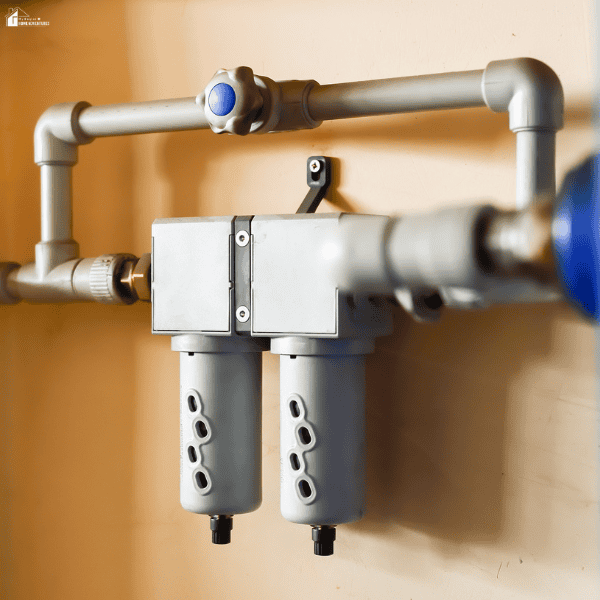
The Role of Filtration Systems in Home Protection
Modern filtration solutions provide comprehensive purification:
- Mechanical filters remove sand and suspended particles;
- Carbon filters eliminate organic contaminants and chlorine;
- Water softeners reduce hardness by removing calcium and magnesium salts.
Using whole-house multi-stage filtration protects all water supply systems, including plumbing and household appliances.
These systems not only improve the quality of drinking water but also reduce the harmful effects of aggressive substances on the internal components of plumbing infrastructure. This lowers the risk of breakdowns and extends the life of the equipment.
Choosing the Right Filters and Maintenance Recommendations
Various manufacturers offer different types of water filters, but for effective purification of well water, the following filter types are recommended:
- Mechanical — capture large particles and impurities.
- Carbon — enhance taste and remove chlorine and organics.
- Water softening — reduce hardness and prevent scale formation.
- Comprehensive systems — combine several filtration methods for maximum efficiency.
A properly selected filtration solution helps maintain plumbing in good working order and significantly improves water quality. Regular replacement of filter elements and timely system maintenance ensure consistently high levels of purification efficiency.