Understanding the Challenges and Rewards of Selling a Home
This post may contain affiliate links which might earn us money. Please read my Disclosure and Privacy policies here
Selling a home can be an exciting yet stressful process. For most homeowners, it represents one of the biggest financial markers, a lifestyle alteration, or a fresh start. In reality, though, the journey from listing to closing could be replete with barriers, choices, and moments of uncertainty.
Being informed about the process, understanding the market, and preparing the property can make all the difference in achieving success.

Evaluating the Market Before Selling
One of the initial steps in the process of selling your house involves understanding the current real estate market. Is it currently a buyer's or a seller's market? What is the average selling price within your neighborhood? How long are houses of similar size and style taking to sell?
Studying these elements will help homeowners create realistic expectations and price their houses competitively. Because overpricing leads to stagnation, and underpricing means giving money away.
Broader economic conditions, interest rates, and local development projects round out the influential arc that could impact buyers' interest in your particular house.
Preparing Your Home for Sale
Presentation is everything when enticing potential buyers. Houses that are clean, uncluttered, and well-maintained typically sell faster and for more money. Small renovations, such as fresh paint, updated fixtures, or landscaping, can make a big difference in appeal.
It is also important to stage the home to give buyers an idea of what could be. Proper lighting, placement of furniture, and emphasis on particular features can enable buyers to envision themselves in the property. Even the small things like a nicely presented entryway or well-organized living areas make a big difference.
Pricing Strategy and Professional Advice
A thoughtful pricing strategy can bring attention to a home while still yielding its best value. Working with a professional real estate agent will provide access to market analysis, comparable sales data, and negotiation experience.
Agents can provide insight on the listing price, marketing strategies, and how to respond to offers.
Selling too high can discourage interest; selling too low can give away equity. An experienced agent helps homeowners strike a balance between competitiveness and profitability.
Identifying Common Obstacles to Selling
Even the best-prepared homes sometimes do not attract buyers. The most common problems include inadequate presentation, wrong pricing, and not enough marketing. Properties in less desirable areas or those with an unusual layout may also be problematic.
Plus, other external factors like seasonal changes or economic decline can impede the process of selling. Being aware of these could help a homeowner in advance, by being able to take the initiative and resolve them.
For example, in cases when the sale of a particular house takes longer than usual, knowing what stops a house from selling will help one make necessary strategic changes. These might include updating the décor, enhancing curb appeal, or adjusting the asking price toward more realistic market expectations.
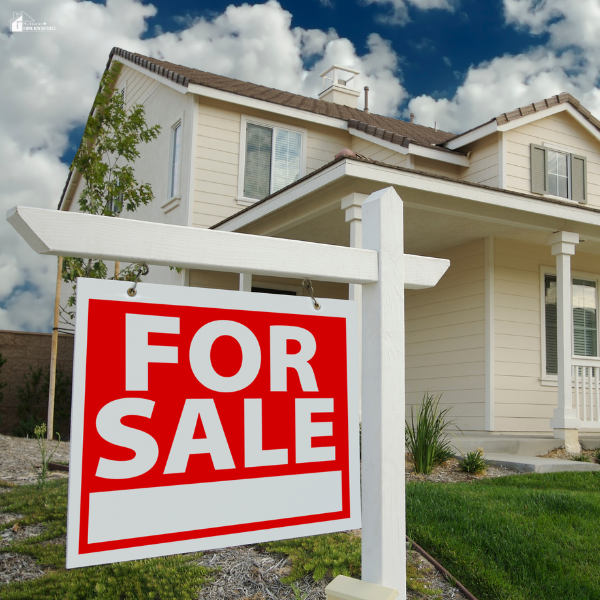
Marketing and Exposure
Marketing nowadays plays an important backbone in the way houses are sold. With the modern virtual world, online listings need to include high-quality photography, virtual tours, and detailed descriptions.
Social media platforms and real estate websites expand the reach to a potential buyer pool beyond traditional print advertising.
Open houses and private showings provide interested buyers with an opportunity to experience the property in person. Well-prepared marketing materials, together with targeted outreach, will ensure that the home gains the highest visibility and attracts serious inquiries.
Negotiating Offers and Handling Counteroffers
The negotiation phase begins once offers start coming in. Sellers must balance their desired price with market reality and buyer interest. Counteroffers, contingencies, and closing timelines all play a role in finalizing the deal.
It is all about effective communication and flexibility. The homeowners should work with their agents to assess each offer, considering trade-offs, while adopting a professional and constructive approach to negotiations. This will help the process move along smoothly without alienating potential buyers.
Closing the Sale Successfully
The final stage involves inspections, appraisals, and legal documentation in the process of selling a home. Ensuring accuracy in all paperwork and addressing any issues raised during inspections will prevent hitches or delays from arising.
Coordination with title companies, lenders, and attorneys assures a smooth closing. Being prepared and organized during this phase minimizes stress and can eliminate last-minute surprises that may forestall a successful transaction.
Conclusion
Selling the home is not just a one-time transaction, as it affects financial planning, future housing decisions, and lifestyle changes. Homeowners should consider such things as capital gains taxes, moving costs, and the timing of their next home purchase.
Being strategic about the sale can bring financial flexibility and peace of mind. By being informed about challenges and rewards alike when selling a home, homeowners will confidently work through the process and achieve the best outcome possible.