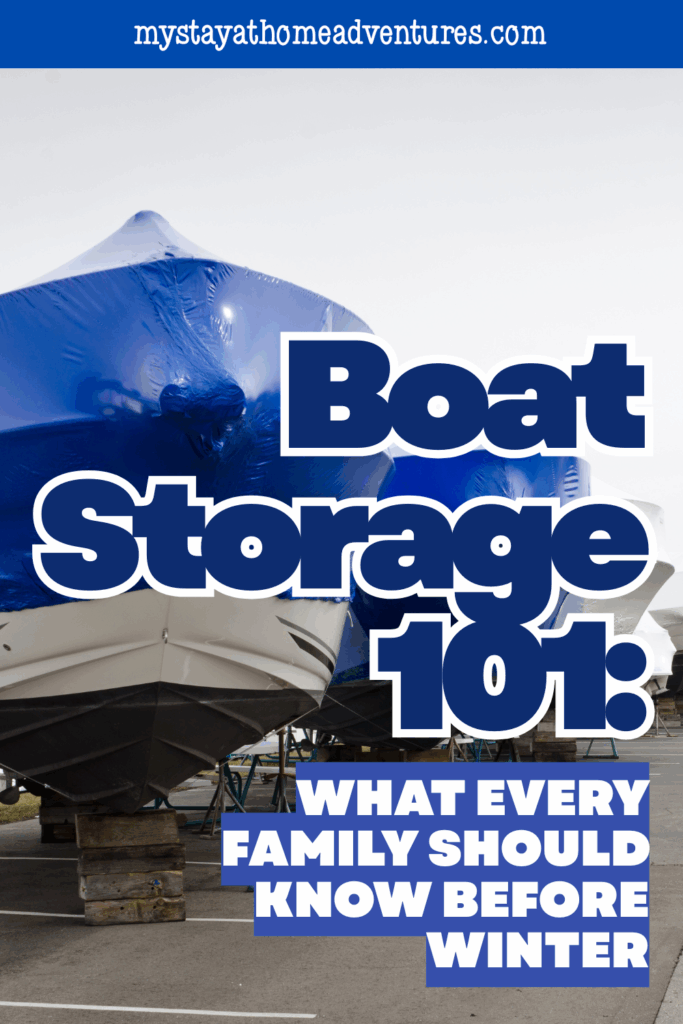
Boat Storage 101: What Every Family Should Know Before Winter
This post may contain affiliate links which might earn us money. Please read my Disclosure and Privacy policies here
As winter approaches, proper boat storage becomes a top priority for families who own watercraft. Storing a boat correctly during the colder months is crucial for protecting it from the elements and ensuring it’s ready to go when spring arrives.
In this guide, we’ll explore the different types of boat storage options, the preparation steps to take, common mistakes to avoid, and how to budget for the cost of winter storage.
Why Winter Boat Storage is Essential for Families
Protecting Your Boat from Winter Elements
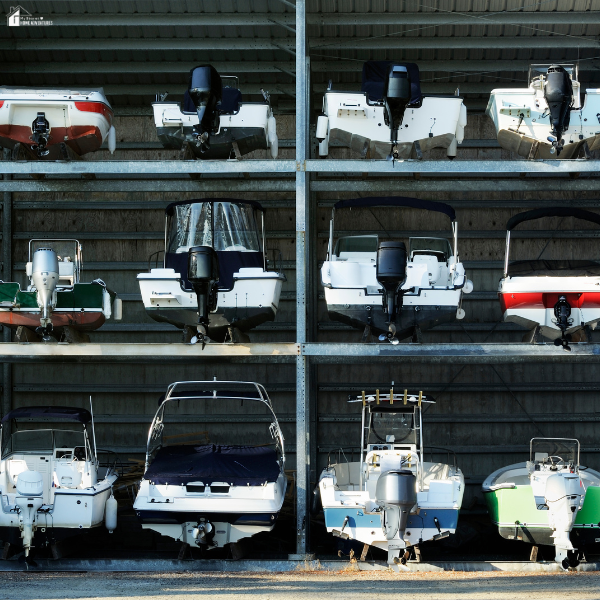
During winter, boats are exposed to cold temperatures, snow, ice, and freezing rain, all of which can cause significant damage. Metal parts can corrode, wooden components may warp or crack, and mold or mildew can develop inside the boat.
Storing your boat properly minimizes these risks and ensures your investment remains in good condition.
The harsh winter weather also puts stress on the boat’s engine. Freezing water left in the engine can cause blockages and cracks, leading to expensive repairs come springtime.
By taking the time to properly store and winterize your boat, you can avoid costly damage and ensure your boat remains in great shape.
The Benefits of Proper Boat Storage for Families
Winterizing your boat offers several benefits. First, it helps extend the lifespan of the boat, ensuring that it continues to serve your family for many years. Second, it preserves the boat’s resale value, should you decide to sell it in the future.
A well-maintained boat will attract more buyers and fetch a better price. Finally, taking proper care of your boat during the winter months means that you can hit the water sooner once warmer weather returns. With everything ready to go, you won’t lose precious time when the season changes.
Different Types of Boat Storage Options
Outdoor Storage: Pros and Cons
For families with limited space or those who are looking for a more affordable option, outdoor boat storage is a popular choice. Storing a boat outdoors keeps it within easy reach and can be a practical solution if you have a large yard or driveway.
However, outdoor storage has its downsides. Exposure to the elements: rain, snow, and UV rays, can damage the boat’s surface, causing the paint to fade and the hull to degrade over time. To mitigate this, you’ll need to use a high-quality cover that shields the boat from the sun and rain.
If you're looking for outdoor boat storage near Fort Myers, you may find several affordable and convenient options, particularly if you live in a region where winters are mild. Outdoor storage is usually more budget-friendly than indoor options, but it requires extra care to protect your boat properly.
Indoor Storage: Pros and Cons
Indoor boat storage is the gold standard for boat protection. Storing your boat inside a garage or storage unit ensures that it is shielded from extreme weather conditions. It also provides security from theft and vandalism.
However, indoor storage is typically more expensive, and finding the right space can be a challenge, especially if your boat is large. Not all homes have the required space in a garage or basement, and renting indoor storage space can add up over the winter months.
Despite the higher cost, indoor storage is a good choice for those who want peace of mind that their boat is fully protected from the elements and is kept in a secure, climate-controlled environment.
Covered Storage: A Middle Ground
For families who want to find a balance between cost and protection, covered storage is an excellent option. Covered storage typically involves a boat shed, carport, or other types of shelters that provide some protection from the weather without the high cost of fully enclosed indoor storage.
It shields the boat from direct sunlight, rain, and snow while offering a more affordable alternative to indoor storage. It’s not as secure as indoor storage, but it’s a practical choice for many families.
Preparing Your Boat for Winter Storage
Clean and Dry Your Boat
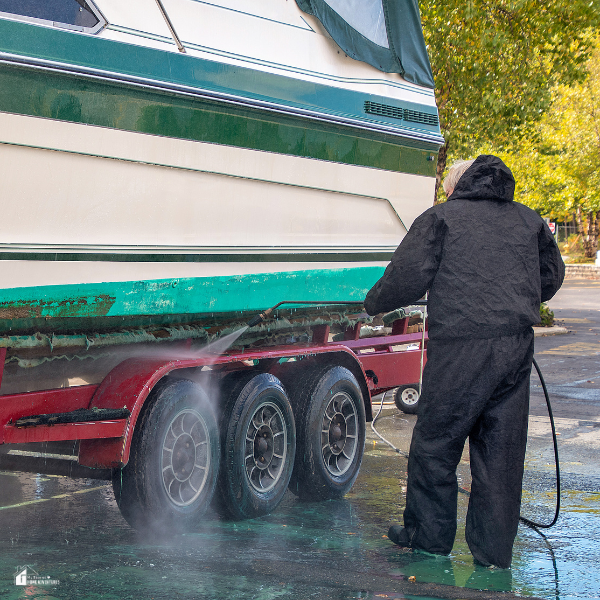
Before storing your boat for the winter, it’s essential to clean it thoroughly. This step helps prevent mold and mildew buildup, which can be a problem during the colder months when boats are stored in dark, damp spaces.
Start by washing the boat’s exterior to remove dirt, algae, and other debris. Clean the interior, paying special attention to any areas that may have collected moisture. Once cleaned, ensure the boat is completely dry before storing it to prevent rust and mold growth.
Winterizing the Boat’s Engine and Fuel System
A crucial part of preparing your boat for winter storage is winterizing the engine. This process involves draining any water from the engine to prevent freezing and cracking. It also includes adding antifreeze to the engine to keep it from freezing in cold temperatures.
Additionally, stabilizing the fuel system is essential. Treat the fuel with a stabilizer to prevent it from deteriorating while the boat is in storage. This simple maintenance step will save you a lot of hassle and money when it’s time to start the boat up again.
Covering and Protecting Your Boat
A high-quality boat cover is an essential part of winter boat storage. Whether you’re storing your boat indoors, outdoors, or in a covered storage facility, covering the boat will protect it from dust, debris, and moisture.
Be sure to choose a cover that fits properly and is made from durable, weather-resistant materials. If your boat is stored outdoors, consider using a tarp or cover designed specifically for outdoor conditions.
Removing Batteries and Valuables
Before storing your boat for the winter, be sure to remove the battery to prevent it from draining and freezing. Storing the battery in a warm place will help extend its life. It's also a good idea to remove any valuables from the boat, such as electronics, personal items, or safety equipment.
This helps prevent damage and theft, especially if you’re storing the boat in an area that isn’t fully secure.
Storing Your Boat Safely: Common Mistakes to Avoid
Ignoring Local Storage Regulations or Recommendations
Each area has specific regulations regarding boat storage, particularly for those who live near bodies of water. It’s important to check local laws and follow guidelines to ensure your boat is stored properly and legally. Failing to do so can result in fines or damage to your boat.
Skipping Maintenance Checks
Winter is an ideal time to perform maintenance on your boat. Don’t skip this step. Check the hull for cracks, inspect the electrical system, and make sure everything is in working order. By catching small issues early, you can avoid bigger problems when boating season arrives.
Not Inspecting Boat Storage Space
Whether you’re storing your boat at home or renting a storage space, it’s essential to regularly inspect the area where the boat is stored. Check for leaks, pests, or other potential hazards that could cause damage to the boat.
Regular inspections can help ensure the boat remains in excellent condition throughout the winter.
Cost of Boat Storage: Budgeting for the Winter Months
Cost Factors to Consider
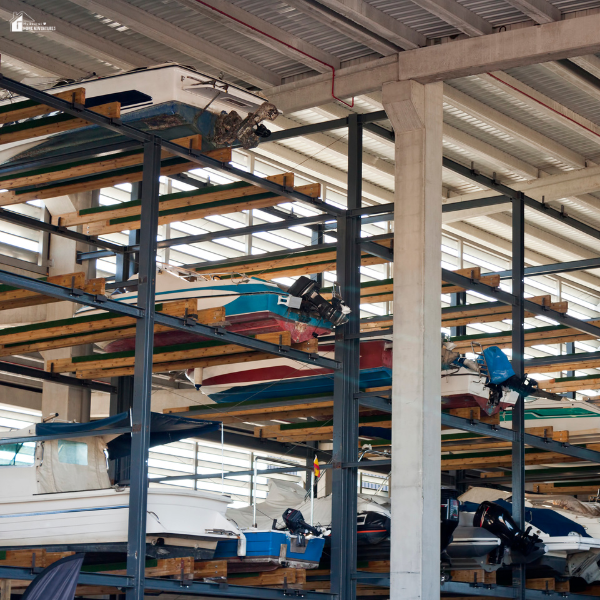
The cost of boat storage depends on several factors, including the size of the boat, the type of storage you choose, and the location. Indoor storage tends to be the most expensive, while outdoor and covered storage options are more affordable.
When budgeting for boat storage, consider the long-term benefits of proper care and the cost savings of avoiding repairs from winter damage.
Saving Money on Boat Storage
If you're looking to save money on boat storage, consider DIY options such as storing the boat on your property. You can also look for storage facilities offering discounts for long-term winter storage.
While saving money is important, don’t skimp on the quality of storage; ensure the space offers enough protection for your boat.
Conclusion
Proper winter boat storage is crucial for families who want to keep their boats in good condition for future use. Whether you opt for outdoor storage near Fort Myers or choose an indoor facility, taking the time to winterize your boat and protect it from the elements will save you money and effort in the long run.
Be sure to clean, cover, and maintain your boat properly, and avoid common storage mistakes to ensure it’s ready for the next boating season.