Keep It or Digitize It? How to Decide What Family Memories Are Worth Saving
This post may contain affiliate links which might earn us money. Please read my Disclosure and Privacy policies here
Sorting through old family belongings can become surprisingly emotional. A box that looks like clutter from the outside may contain photographs, handwritten notes, home recordings, ticket stubs, children’s artwork, or audio tapes that immediately bring back a person or period you had not thought about in years.
The difficulty is deciding what deserves permanent space in your home, what should be digitized, and what can finally be let go. Keeping everything usually creates more clutter, but throwing things away too quickly can mean losing something that becomes meaningful later.
A better approach is to judge memories by what they contain, how replaceable they are, and whether anyone in the family will realistically want to revisit them.
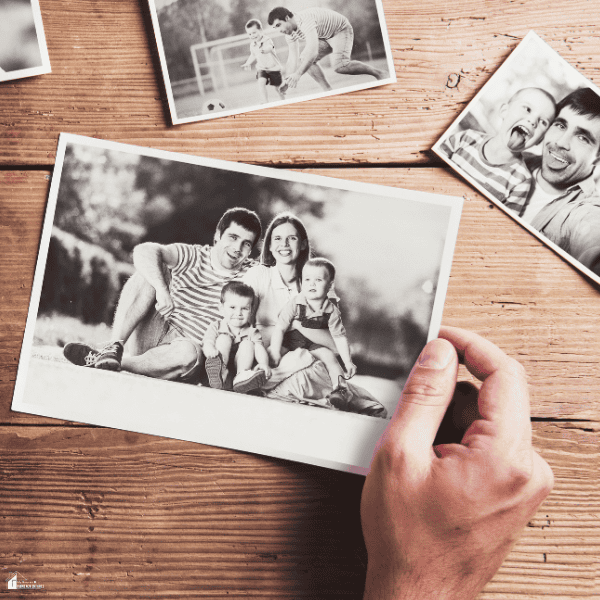
Start With Anything You Can No Longer Easily Play
Old media deserves attention before ordinary keepsakes because the content may be trapped on a format you can no longer use.
Cassette tapes are a good example. Families often have recordings of children talking, relatives singing, interviews with grandparents, homemade music, or messages recorded decades ago. The cassette itself may not look particularly important, but the voice stored on it can be impossible to replace.
If you have recordings worth preserving but no longer own reliable equipment to play them, choosing to convert cassette to digital can make those memories much easier to hear, copy, organize, and share.
Once the recording is accessible, you can decide whether keeping the original cassette still matters. For especially meaningful items, you may want both. For ordinary recordings, the digital copy may be enough.
Ask Whether the Object Matters or the Memory Inside It
Not every sentimental item needs to remain physically intact forever.
Suppose you have a large folder of school certificates, event programs, old invitations, and handwritten notes. Some may feel important because of what they represent rather than because you need the original piece of paper.
That is where digitizing can be useful. Photographing or scanning an item preserves the image and information while allowing you to reduce the amount of physical storage it requires.
The same test works with photographs. An original wedding portrait or handwritten letter from a grandparent may deserve physical preservation. Twenty nearly identical vacation snapshots may not all need to remain in a box.
Ask yourself what you would miss if the physical object disappeared. If the answer is the information, image, or story rather than the item itself, a high-quality digital copy may be enough.
Give Physical Keepsakes a Real Storage Limit
Family memories become harder to enjoy when they are spread across closets, garages, drawers, and storage rooms.
Giving sentimental items a defined amount of space forces better decisions. That might mean one archival box per person, one shelf for albums, or one cabinet for family records.
Good storage matters too. Once you have decided something deserves to stay, treat it as though it actually matters. Useful household and organization supplies and cartridges from Supply Link USA can help create a more deliberate storage system instead of leaving important keepsakes mixed with everyday clutter.
The purpose of setting limits is not to be ruthless. It is to make sure the things you keep remain accessible rather than disappearing into another unlabeled box.
Save the Items That Tell a Story Nobody Else Has
The easiest memories to prioritize are the ones that cannot be recreated.
A commercially released movie on VHS is replaceable. A home recording of your parents’ wedding is not. A mass-produced souvenir may be replaceable. Your grandfather’s handwritten travel journal is not.
Look for items that contain unique family information: handwriting, voices, personal photographs, homemade recordings, letters, family recipes, diaries, certificates, or documents connected to meaningful events.
These items help future generations understand not just what happened, but what family members sounded like, wrote like, valued, and experienced.
The same principle applies to ordinary-looking objects. A handwritten label on the back of a photograph may be more historically useful than the photograph itself because it identifies people nobody else can name.
Unique context is often what makes something worth preserving.
Don’t Keep Duplicates Just Because They Are Old
Age alone does not make something valuable.
Families often keep multiple copies of the same photographs, duplicate programs, stacks of greeting cards, and several versions of documents because throwing away anything old feels uncomfortable.
Start by removing obvious duplicates. Choose the best photograph from a group of nearly identical shots. Keep one clean copy of a program instead of five. Scan cards with especially meaningful messages and let go of the generic ones if they no longer carry personal significance.
This makes the collection stronger rather than weaker.
When every object is treated as equally important, genuinely meaningful items become harder to find. Reducing repetition makes the surviving collection easier to understand and enjoy.
Ask Other Family Members Before Making Final Decisions
Something that means little to you may matter enormously to someone else.
Before discarding unusual photographs, recordings, letters, or heirlooms, ask siblings, parents, cousins, or other relatives whether they want them. This is particularly important when the item relates more closely to another branch of the family.
Digitization makes sharing easier. Instead of deciding which sibling gets the only copy of a photograph, everyone can receive a digital version while one person keeps the original.
You may also discover useful information during these conversations. A relative might identify someone in an unlabeled photograph or remember what is recorded on an old tape.
Sorting family memories can become a way to recover stories rather than simply reduce clutter.
Make Sure Digital Memories Are Actually Protected
Digitizing something does not automatically make it safe.
If the only copy sits on one laptop, it can disappear with a hard-drive failure. If everything is placed on an external drive and forgotten for ten years, you may eventually discover the drive no longer works.
Keep important files in more than one location. A computer, external storage device, and reliable cloud backup can provide much better protection than relying on a single copy.
Use understandable file names too. “Scan0047.jpg” will mean very little later. “Grandparents_Wedding_1962.jpg” immediately tells someone what they are looking at.
Folders organized by year, person, family branch, or event can also prevent a digital archive from becoming another version of the same clutter you were trying to solve.
Keep What Helps the Family Remember
There is no perfect rule for deciding what deserves to survive.
Some objects are important because they are rare. Others matter because of the person who owned them. Some should remain physical, while others can be digitized without losing what made them meaningful.
The useful question is not, “Is this old enough to keep?” It is, “Does this help preserve a story we would genuinely care about losing?”
Protect unique photographs, voices, letters, and personal records. Digitize formats that are becoming difficult to use. Give physical keepsakes sensible storage limits, and let go of duplicates and objects that carry no real story.
A good family archive does not need to contain everything. It only needs to protect the memories that would be impossible to replace.