Upgrading Your Doors? Here’s How to Make the Right Purchasing Decision
This post may contain affiliate links which might earn us money. Please read my Disclosure and Privacy policies here
Choosing new doors feels simple at first, and the options start piling up. Materials, hardware, security, energy performance, and local rules all matter. This guide breaks the decision into clear steps so you can weigh tradeoffs with confidence and avoid costly do-overs.

Set Your Priorities Early
Start by listing the 3 outcomes you care about most. Maybe it is a quieter bedroom, a front entry that looks modern, or a lock set that works well for kids. Ranking these priorities keeps you from being pulled in every direction by shiny features.
Decide how much you want to spend per opening and treat that as a project budget. It is common to underestimate the total once you include hinges, handles, closers, and seals. If security ranks high, allocate more to the slab construction and the locking hardware.
When style leads, plan time to sample finishes in daylight so you know how black, brass, or stainless steel reads next to your paint and flooring.
Choose Hardware That Fits How You Live
Hardware determines how your door feels every single day. Start with the handle set style you prefer, and choose a latch and hinge spec that supports it. The difference between a hollow and a solid feel comes down to hinge quality and backset accuracy.
Quiet latches, soft closers, and good seals make doors feel premium. If you want to see a range of levers, pulls, and accessories in one place, you can browse curated hardware lines on this website to compare finishes and profiles side by side.
Use a single finish family for consistency across sightlines, but do not be afraid to mix textures at your main entry for a focal point. Always double-check that privacy, passage, and dummy sets are matched to the correct rooms before ordering.
Match Door Type to Location and Climate
Where the door lives drives the best material choice. Exterior doors need weather resistance and structural stability, while interior doors can prioritize weight, sound, or cost. In wetter or coastal areas, moisture and salt can attack finishes and metal components faster than you expect.
Busy family entries take bumps from bags and bikes, so tougher skins and reinforced frames pay off. Laundry rooms and baths benefit from materials that shrug off humidity. If you want natural timber, verify the finish schedule and maintenance expectations.
Steel or composite options can give you similar lines with fewer seasonal swings and less upkeep.
Smart Locks Explained
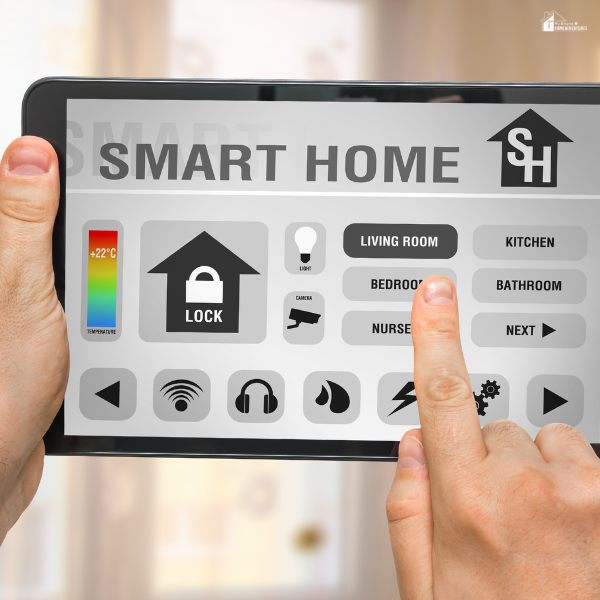
Smart locks can add real convenience if you share access with family, guests, or trades. Focus on how you unlock most often: phone, keypad, fob, or auto-unlock. Battery life, local control, and whether the lock works offline matter more than headline features.
Some smart deadbolts require specific bore sizes and backsets, so measure before you buy.
New UWB-capable smart locks aim for reliable hands-free unlocking, with prices around the high $300 to $400 range depending on brand and model. That same report highlighted multiple options and pointed out how costs vary by feature set and ecosystem.
Use that as a ballpark while you compare what integrates with your phone and smart home platform.
Fire Safety and Building Compliance Basics
If you live in a multi-unit building or manage rental units, fire door responsibilities are different from those of typical residential doors. Check flat entrance fire doors annually and communal-area fire doors quarterly to ensure closers, seals, and signage are in working order.
While local rules vary, the principle holds everywhere: fire-rated assemblies must be maintained to the rating on the label.
Look for certification marks on the door and frame, and match hardware and seals to that rating. Avoid swapping parts casually. Even a different latch or viewer can void the rating if it is not approved for that assembly.
When in doubt, ask for the door set’s data sheet and verify that every component is compatible with the stated rating.
Comfort Factors
Weatherstripping, thresholds, and sweeps block drafts and dust, which helps with energy bills and indoor air quality. If a room faces a busy street, a heavier slab with quality seals can make a noticeable difference in noise.
For exterior doors, look for multi-point latching where possible. It pulls the panel tight against the seals for better performance.
Glazed doors need the right glass. Clear units bring in light, but textured or laminated glass can add privacy and security. If you live where temperature swings are big, pay attention to thermal breaks and insulated cores. Small specification choices here add up to real day-to-day comfort.
Smart choices come from clear priorities, careful measuring, and hardware that matches how you live. Give attention to the details you touch every day, and your new doors will look right, feel solid, and stay that way for years.