Plantain Lasagna Recipe (Puerto Rican Lasagna / Pastelón)
This post may contain affiliate links which might earn us money. Please read my Disclosure and Privacy policies here
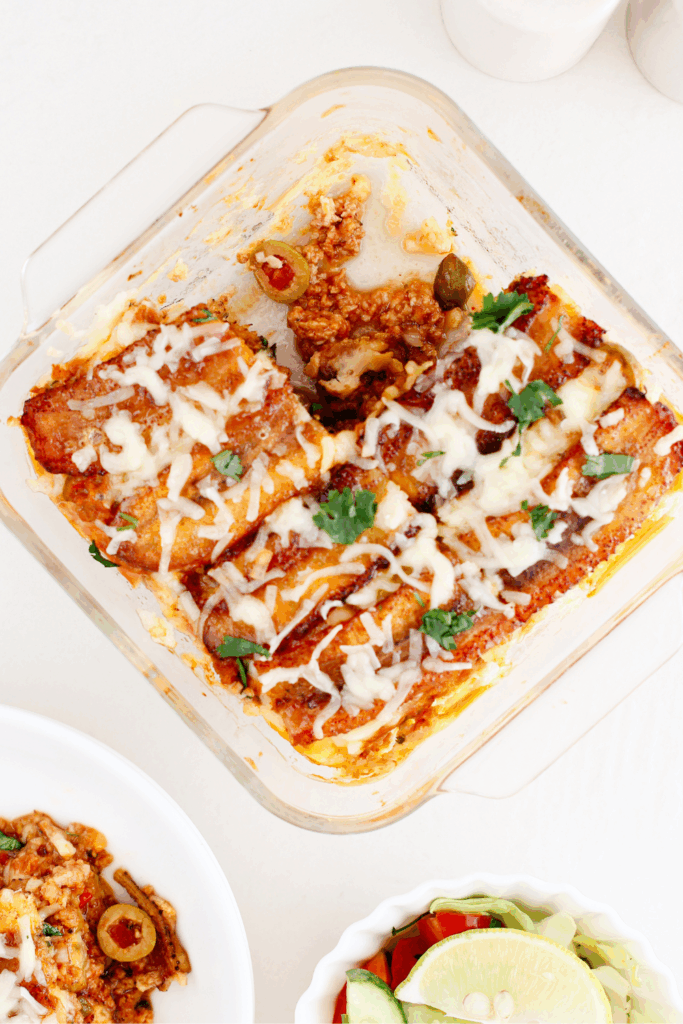
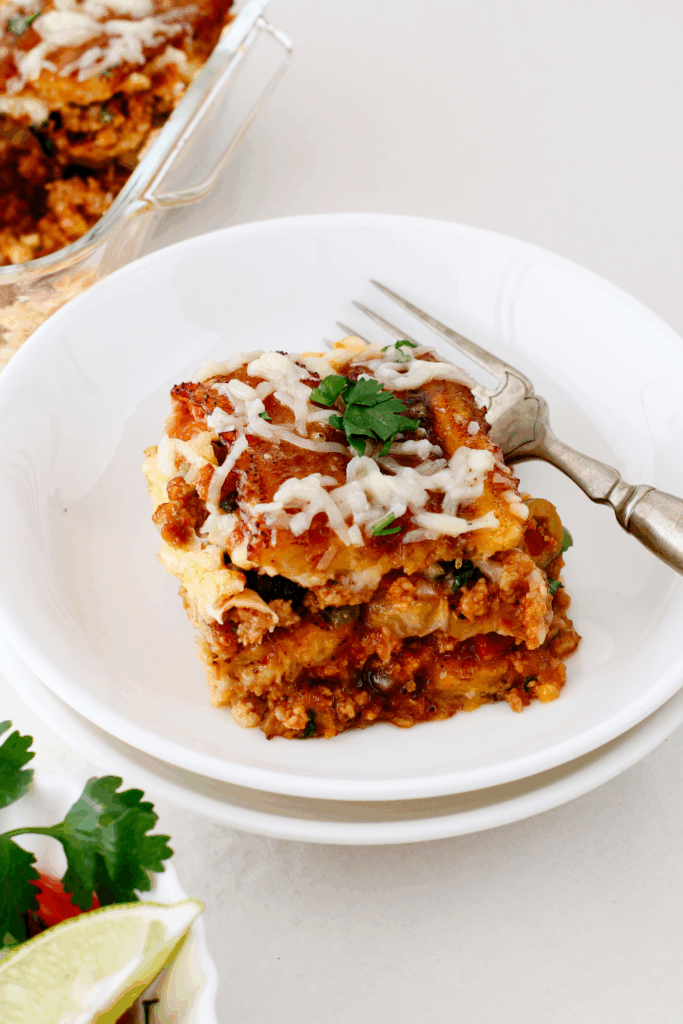
Plantain lasagna, also known as pastelón or Puerto Rican lasagna, is one of the most comforting and flavorful dishes you’ll ever make. It's a sweet and savory baked dish made with layers of ripe plantains, ground beef, cheese, and traditional Latin seasonings.
If you're looking for a Latin-inspired dinner idea that’s both hearty and delicious, this is the perfect meal to try. It's often described as the Caribbean version of Italian lasagna—except instead of pasta, it features soft, caramelized slices of sweet plantains.
The flavors in this sweet plantain lasagna are rich and well-balanced. The sweetness of the ripe plantains pairs beautifully with the well-seasoned beef and melty cheese. It’s ideal for family dinners, holidays, potlucks, or meal prepping for the week. I love serving it with a simple vegetable garden salad or some pollo tropical yellow rice on the side. You could also pair it with avocado slices for a traditional Caribbean plate.
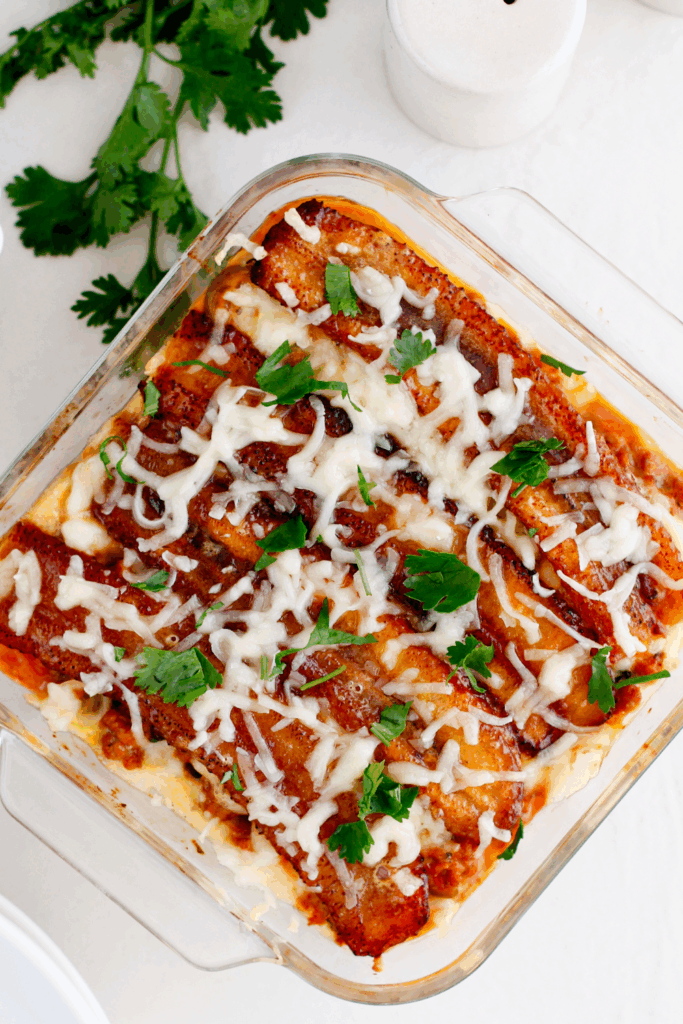
What is Plantain Lasagna (Pastelón)
Plantain lasagna, or pastelón, is sometimes called Puerto Rican lasagna because of its layered structure and rich flavors. It’s especially popular in Puerto Rican and Dominican households. This dish is made by layering fried sweet plantains with seasoned ground beef, cheese, and sometimes a light egg mixture to hold it together when baked.
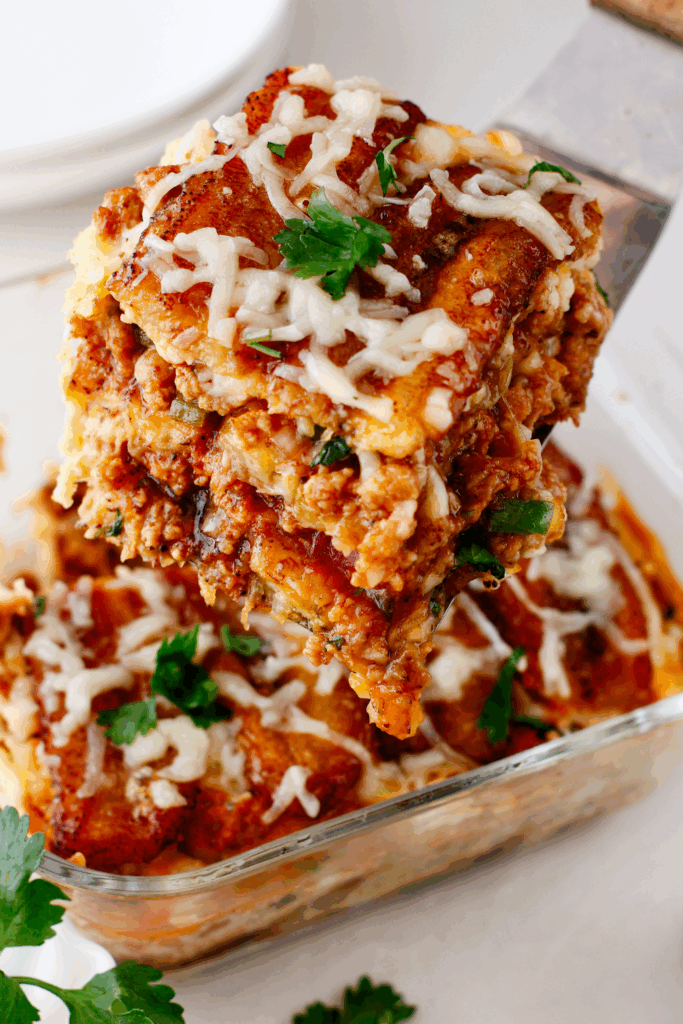
The result is a soft, creamy, savory-sweet casserole that feels like comfort food at its finest.
Traditionally served at family gatherings and holidays, pastelón is a cultural staple for many Caribbean families. While it’s similar to Italian lasagna in structure, the use of ripe plantains instead of noodles gives it a tropical and sweet flavor that makes it totally unique.
For someone who's never tasted it before, it might be unexpected—but one bite is all it takes to fall in love.
If you’ve been curious about Puerto Rican food or are looking to expand your cooking with bold new flavors, this is a beautiful dish to start with.
Ingredients To Make This Plantain Lasagna Recipe
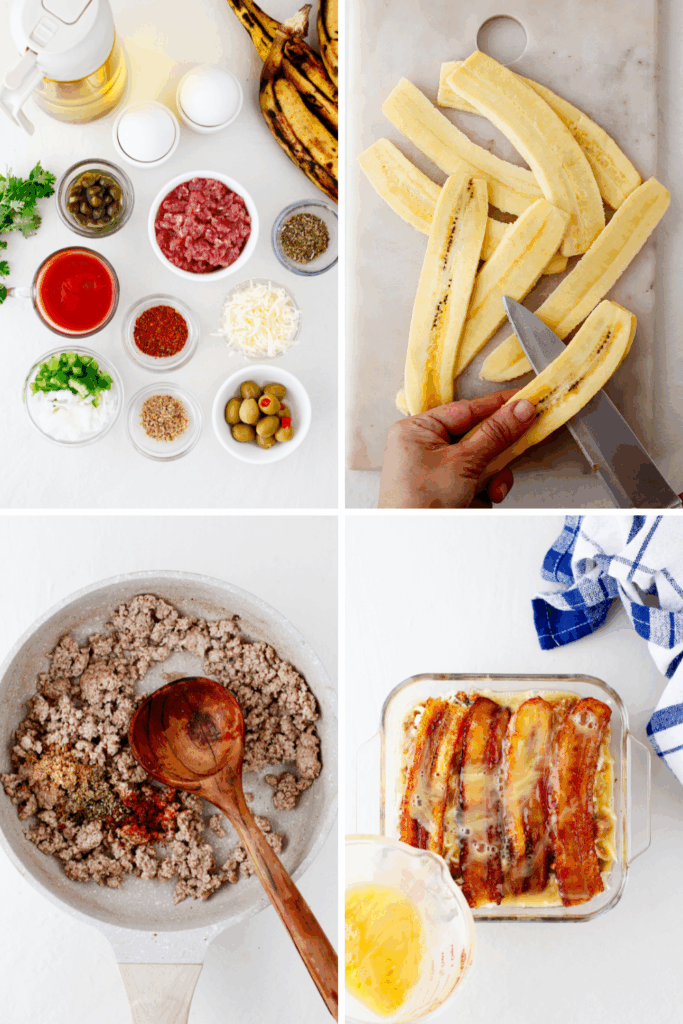
Before diving into the step-by-step instructions, let’s take a look at the ingredients and what each one contributes to this amazing casserole.
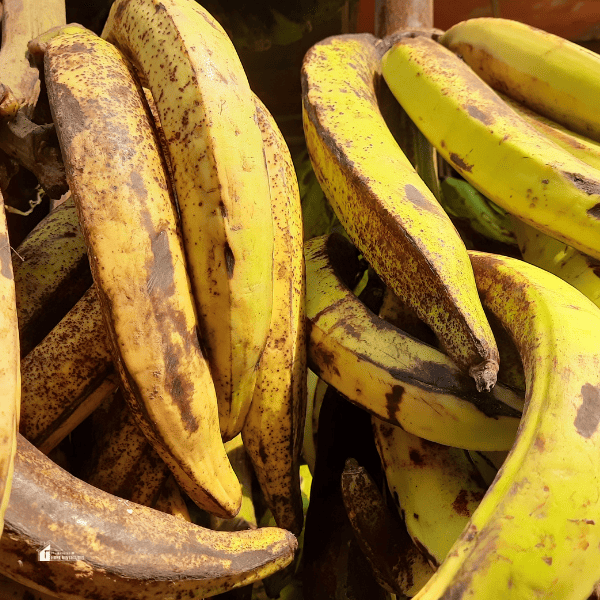
Ripe Plantains – The star of the show. When they’re mostly black or very dark yellow, they’re perfectly sweet and soft. These add a sweet, tender bite that contrasts beautifully with the savory beef.
Vegetable Oil – Used to fry the plantains to a golden color. A neutral oil is best to avoid overpowering the flavor.
Ground Beef – Adds richness and heartiness. The seasoned meat is savory, juicy, and full of Latin flavor.
Adobo Seasoning – A blend of garlic, salt, pepper, and oregano. It adds warmth and depth to the beef.
Sazón – Gives the beef a vibrant color and umami flavor. This seasoning is common in Puerto Rican cooking and ties the whole dish together.
White Onion – Adds natural sweetness and soft texture to the beef filling.
Green Bell Pepper – Brings freshness and a light crunch that balances the other ingredients.
Cilantro – A fresh, herby finishing touch. It brightens the dish and adds an authentic Latin flavor.
Pimento-Stuffed Green Olives – Salty and slightly tangy, they give the meat filling a burst of briny flavor.
Capers – Small but flavorful, they add acidity and round out the flavor profile of the meat mixture.
Dried Oregano – Earthy and aromatic, this spice deepens the seasoning in the meat.
Tomato Sauce – Helps bring all the ingredients in the meat layer together, adding moisture and a little sweetness.
Cheese – Melts into the layers and binds everything together. Mozzarella, cheddar, or a blend of your favorites will work.
Eggs – Lightly beaten and poured over the top before baking to help the pastelón hold its shape once sliced.
How to Make Sweet Plantain and Beef Casserole
Even if you’re new to cooking with plantains, don’t worry—I’ll walk you through every step to make this sweet and savory Puerto Rican lasagna from scratch.
- Preheat Your Oven and Prepare the Dish
Set your oven to 350°F. Lightly grease a medium casserole dish with butter or non-stick spray to prevent sticking. - Peel and Slice the Plantains
Use a knife to trim the ends and score the skin lengthwise. Peel gently and slice each plantain lengthwise into long, ½-inch thick slices. Set aside. - Fry the Plantains
In a large skillet, heat about ½ inch of vegetable oil over medium heat (around 300°F). Fry a few slices at a time for 1½ minutes per side until golden. Drain on paper towels. - Brown the Ground Beef
Drain the frying oil and add ground beef to the skillet. Season with adobo, sazón, oregano, salt, and pepper. Cook for 6–7 minutes, breaking up the meat as it browns. - Add Vegetables and Seasonings
Stir in the chopped onion, bell pepper, tomato sauce, olives, capers, and cilantro. Simmer for a few minutes until everything is soft and well combined. - Begin Layering the Casserole
Start with a layer of fried plantains on the bottom of your casserole dish. Overlap the slices slightly to cover the base completely. - Add the Beef and Cheese Layers
Spread half of the beef mixture over the plantains. Sprinkle on some of the shredded cheese. - Repeat the Layers
Add another layer of plantains, the rest of the meat, and more cheese. Top with a final layer of plantains. - Pour the Beaten Eggs
Beat the eggs in a bowl and pour evenly over the top layer. This helps bind everything during baking. - Top With Cheese and Bake
Add the remaining cheese on top. Bake uncovered for 25 minutes or until the top is golden and bubbly. - Cool and Garnish
Let the lasagna rest for 10–15 minutes before slicing. Garnish with freshly chopped cilantro before serving.
Tips For Making Plantain Lasagna (Pastelón)
- Use very ripe plantains for the best sweetness and soft texture.
- Pre-frying the plantains gives the layers a golden, flavorful base.
- Pouring beaten eggs on top helps the lasagna slice cleanly and hold its shape.
- Let it rest before slicing so the layers stay together.
- Make the beef mixture ahead of time to save effort on cooking day.
- For extra richness, use a blend of melty cheeses like mozzarella and cheddar.
Frequently Asked Questions
Can I make Puerto Rican lasagna ahead of time?
Yes! You can fully assemble the dish a day ahead. Cover and refrigerate it, then bake the next day. Just add about 10 extra minutes of bake time if it’s cold when it goes into the oven.
What kind of cheese is best for pastelón?
Mozzarella melts well and has a mild flavor, but I often mix in cheddar or Monterey Jack for extra richness. You can also sprinkle Parmesan on top before baking for more flavor.
Can I freeze it?
Definitely. Let it cool completely, then wrap it tightly in foil or plastic wrap and place in an airtight container. Freeze for up to 2 months. Thaw overnight in the fridge before reheating.
Have you tried plantain lasagna? Then, make sure to rate and review this recipe. I’d love to hear how it turned out for you and what sides you served it with. Let me know if you made any fun twists—I always enjoy seeing how others make it their own.
If you want to make me happy, make this for me. I truly enjoy making this for Thanksgiving and around the holiday time, as it brings back memories of family gatherings and enjoying this pastelón.
Puerto Rican Lasagna (Pastelón)
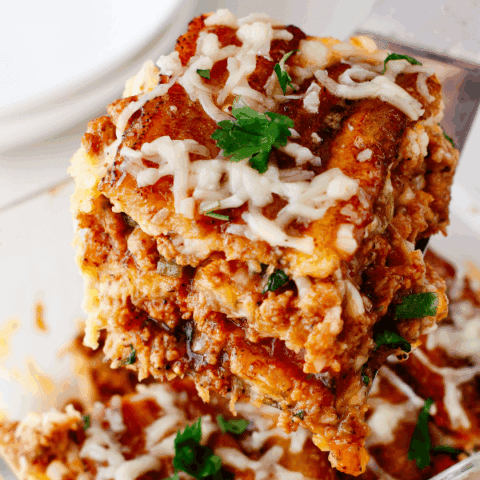
Pastelón is a traditional Puerto Rican lasagna made with layers of sweet fried plantains, seasoned ground beef, and melted cheese. It’s a savory-sweet casserole that’s packed with flavor and easy to make at home. If you’ve never tried pastelón before, you’re in for a treat.
This dish comes together with simple ingredients like adobo-seasoned beef, tomato sauce, and ripe plantains. Once baked, the layers melt together into a comforting, hearty meal that’s perfect for sharing with family.
Ingredients
- 3 ripe plantains
- Vegetable oil for frying
- ½ lb. ground beef
- 1 tsp. Adobo seasoning
- 1 tsp. Sazón
- 1 small white onion, chopped
- ½ green bell pepper, chopped
- 1 tbsp. chopped cilantro plus more for garnishing
- 4-5 pimento-stuffed green olives, sliced
- ½ tsp. capers
- ½ tsp. dried oregano
- ½ cup tomato sauce
- 1 cup cheese, divided
- 2 eggs
Instructions
- Preheat your oven to 350°F. Lightly grease a casserole or baking dish with cooking spray or butter.
- Peel and slice the ripe plantains lengthwise into even strips, about ½ inch thick. Set them aside.
- In a large skillet, heat vegetable oil over medium heat until it reaches about 300°F. Fry the plantain slices in batches for about 1 ½ minutes per side, until golden brown. Place them on paper towels to drain. Carefully pour out any remaining oil from the pan.
- In the same skillet, add the ground beef and season with adobo seasoning, sazón, dried oregano, salt, and pepper. Cook over medium heat, breaking it up with a spoon, for about 6–7 minutes or until fully browned.
- Add the chopped white onion, chopped green bell pepper, tomato sauce, sliced pimento-stuffed olives, capers, and chopped cilantro to the beef. Stir everything together and let it simmer for a few minutes until the flavors combine and the mixture thickens slightly.
- To build the pastelón, layer the bottom of your baking dish with a layer of fried plantains.
- Spoon half of the beef mixture evenly over the plantains and sprinkle a portion of the cheese on top.
- Add another layer of plantains, the rest of the beef, and more cheese.
- Finish with a final layer of plantains. Beat the eggs and pour them evenly over the top layer. Sprinkle with the remaining cheese.
- Bake uncovered for about 25 minutes, or until the top is golden and set.
- Let it cool for a few minutes before slicing. Garnish with extra chopped cilantro if desired and serve warm.
Notes
Recommended Products
As an Amazon Associate and member of other affiliate programs, I earn from qualifying purchases.

Nutrition Information:
Yield: 4 Serving Size: 1Amount Per Serving: Calories: 595Total Fat: 28gSaturated Fat: 15gUnsaturated Fat: 14gCholesterol: 181mgSodium: 777mgCarbohydrates: 64gFiber: 5gSugar: 28gProtein: 27g
These nutritional calculations might not be accurate. Please speak with a licensed nutritionist to assist you.