Frugal Home Care: How to Extend Your Roof’s Life
This post may contain affiliate links which might earn us money. Please read my Disclosure and Privacy policies here
When managing tight budgets, take care of a home with some consistent effort. The overhead shelter is still one of the costliest parts of any property to replace. Homeowners can avoid massive repair bills by adopting simple preventative steps.
Staying proactive prevents a loose shingle or other minor issues from turning into major financial disasters.
Regular Inspection Routines
Catching wear early saves $3,000 or more over the lifespan of a house. Homeowners may look for reliable guidance from local contractors like Great State Roofing to protect their investment before bad weather hits. Regular checkups after major storms can identify loose pieces before leaks develop.
A quick walk around the property allows you to spot sagging areas. Binoculars offer an easy way to view the peak without climbing a ladder. Minor adjustments made today prevent major water damage.
Checking the flashings around chimneys and vents prevents hidden leaks. Metal collars expand and contract, which loosens nails over several seasons. Secure seals keep water out of the delicate attic space.
Understanding Material Durability
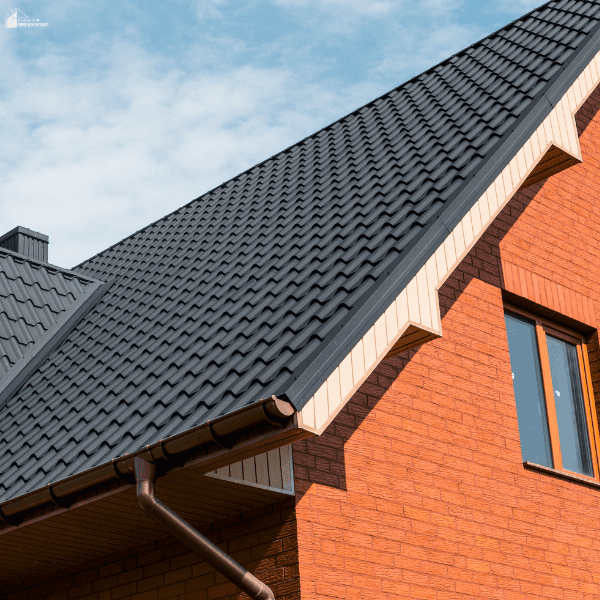
Different materials offer varying lifespans under normal weather conditions. Standard asphalt choices last 15 to 30 years, whereas metal options can endure for 50 years or longer when properly maintained. Knowing these baselines helps you plan long-term budgets accurately.
Local weather affects how fast materials degrade. Extreme heat or heavy snow can shorten standard timelines. Tracking the age of your property shield guides your maintenance schedule.
Heavy winds can lift older shingles, exposing the underlayment to rain. Replacing individual missing pieces immediately extends the life of the remaining structure. Consistent small fixes prevent the need for early complete replacement.
Clearing Gutters Regularly
Water must flow away from the structure to prevent rotten wood and foundation trouble. Clogged channels back up, forcing moisture under the lower edge of your shingles. Clean channels protect the edges from rotting out prematurely. Here’s how to maintain clean pathways:
- Sturdy ladders positioned on flat ground
- Heavy gloves to protect hands from debris
- Small scoops to clear out packed leaves
- Garden hoses to flush remaining silt
Clearing the channels twice a year keeps water moving safely. Neglecting this simple chore creates heavy pools of standing water that bend hangers. Sagging gutters pull away from the fascia boards, causing direct wood rot.
Managing Nearby Tree Branches
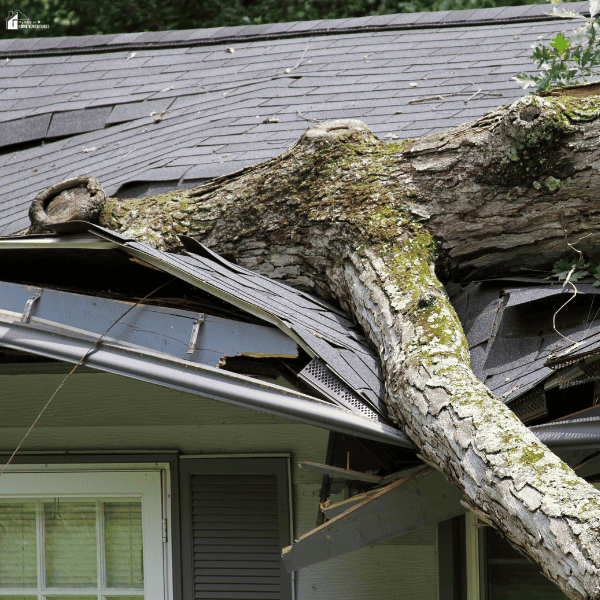
Overhanging limbs pose a direct threat during high winds and severe storms. Heavy branches can snap and scrape away the protective outer granules of your shingles. Falling limbs can puncture the deck entirely.
Shade from dense trees keeps moisture trapped on the surface for extended periods. Moss and algae thrive in dark, damp environments, feeding on asphalt components. Trimming branches back at least 6 feet keeps the area dry and sunny.
Sunlight dries out the surface after morning dew or heavy rain. Preventing plant growth preserves the integrity of the outer layer. Clear skies above the house minimize organic debris accumulation.
Applying Reflective Coatings
Sunlight causes a severe breakdown of roofing materials through constant heat absorption. White coatings reflect up to 90% of ultraviolet light compared to just 20% reflected by traditional black surfaces. Lowering surface temperatures prevents materials from warping or cracking early.
Reducing heat absorption protects the internal structure. Cooler surfaces mean your cooling systems do not work as hard during summer peaks. Applying a shield reduces utility bills and stretches material lifespans.
Many fluid coatings work well on flat or low-slope designs. Homeowners apply these coatings using rollers or specialized spray equipment. Protection from ultraviolet radiation slows down the degradation of underlying materials.
Utilizing Roof Rejuvenation Options
Replacement costs can surprise property owners who fail to plan. Homeowners spend roughly 15% to 25% of the cost of a brand new roof when choosing rejuvenation treatments instead. Budget-friendly alternatives add years of service without the mess of total replacement.
Rejuvenation restores the natural oils needed to keep shingles flexible. Flexible shingles withstand high winds and temperature swings without snapping. Choosing a refresh treatment saves $4,000 or more and delays major construction.
Natural bio-based oils soak deep into brittle asphalt components. Restoring flexibility mimics the performance of brand-new materials. Property owners get extra protection and won’t pay for full teardowns.
Improving Attic Ventilation
Proper airflow beneath the roof deck prevents heat buildup during warm seasons. Trapped heat cooks shingles from underneath, causing them to blister and age rapidly. Ventilation keeps temperatures balanced throughout the entire year.
Intake vents near the soffits must remain clear of insulation or dust. Ridge vents at the peak allow hot air to escape naturally. Balanced airflow controls moisture accumulation that leads to mold growth in the timber.
Condensation during cold months destroys sheathing from the inside out. Cold air entering the lower vents flushes out humid air before it freezes. Keep the attic cool so that ice dams do not form on winter edges.
Frugal maintenance requires small, steady efforts, not massive financial investments. Taking care of small tasks keeps your overhead shield strong for its full expected lifespan. Homeowners protect their budgets and their properties by staying observant. Simple steps save money and prevent sudden leaks.