A Practical Guide to Planning a Living Room You’ll Actually Use
This post may contain affiliate links which might earn us money. Please read my Disclosure and Privacy policies here
The living room is rarely just one thing. It's where families decompress after long days, where guests gather for conversation, where children spread out their toys, and increasingly, where people log in for work.
Why Thoughtful Living Room Design Matters: Understanding How You Use Your Living Room
From selecting durable flooring to comparing traditional sectionals with modern couches, every decision shapes how comfortable and functional the space ultimately feels.
Rather than chasing trends that fade, this guide focuses on timeless principles — layout, comfort, function, and longevity — that hold up in real life, grounded in widely accepted interior design practices rather than brand loyalty.
Before rearranging a single piece of furniture, take a step back and clarify what your living room actually needs to accomplish. Common functions include:
- Relaxing and watching TV
- Reading, pursuing hobbies, or enjoying quiet time
- Hosting guests
- Multi-use purposes: remote work, children's play, or exercise
“Start with how you live, not how a room looks in photos.” Think about a small apartment where the living room doubles as a home office and occasional guest room — every furniture choice suddenly carries twice the weight.
Spend a week paying attention to how you genuinely use the space, then let those observations drive your decisions. Professional interior design guidelines consistently emphasize this function-first approach: form should follow function, not the other way around.
Key takeaway: Design for the people who use the room most often, not occasional visitors.
Planning the Layout
A good layout starts with two fundamentals: understanding traffic flow — how people naturally move through the room — and identifying a clear focal point, whether that's a fireplace, a media unit, or a generous window.
Sketch the room on paper or experiment with a free digital tool before moving anything heavy.
Aim for comfortable clearance between pieces — generally at least 18 inches between a sofa and coffee table, with enough walking space around seating areas. Arrange chairs and sofas to encourage conversation, not just screen viewing.
In a long, narrow room, for instance, angling seating slightly inward can dramatically improve both circulation and social interaction.
To refine your layout further, remember that major walkways should be at least 30 to 36 inches wide to avoid a cramped, obstacle-course feel. Avoid pushing all your furniture flat against the walls; pulling a sofa even six inches away from a wall can instantly create the illusion of a larger, more breathable space.
If your living room must serve multiple purposes, use furniture placement—like backing a desk against the rear of a sofa—to visually zone different areas without needing physical walls.
Choosing Furniture That Supports Everyday Life
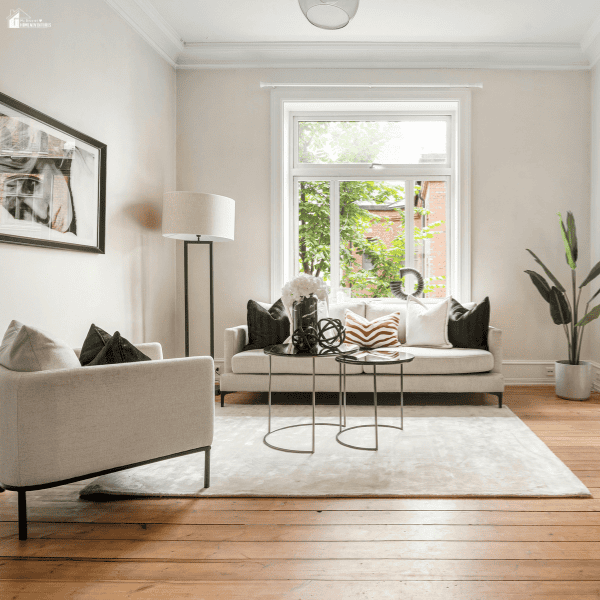
When selecting seating, three factors matter most: scale, comfort, and durability. A sofa that overwhelms a small room, or a chair too shallow to sit in comfortably, will undermine the entire space regardless of how attractive it looks.
Where possible, test seating ergonomics in person — feet should rest flat on the floor, and the back should feel supported without strain.
Pay close attention to seat depth and cushion density: soft, deep cushions are perfect for movie marathons, but firmer, shallower seats are much better if your living room regularly hosts formal gatherings or older family members who need assistance standing up.
Fabric choice matters just as much as silhouette. High-traffic rooms benefit from tightly woven, stain-resistant materials, and it's always worth checking care instructions and independent reviews before committing to a purchase.
Beyond seating, make sure every spot in the room has a reachable surface — a side table, nesting table, or the arm of a storage ottoman — for drinks, books, or devices. Multi-functional pieces like storage ottomans or sideboards are especially valuable in smaller rooms, where visual clutter tends to accumulate quickly.
Investing in furniture that offers hidden storage allows the room to quickly transition from a busy daytime family space to a clean, serene evening retreat.
Lighting, Color, and Materials
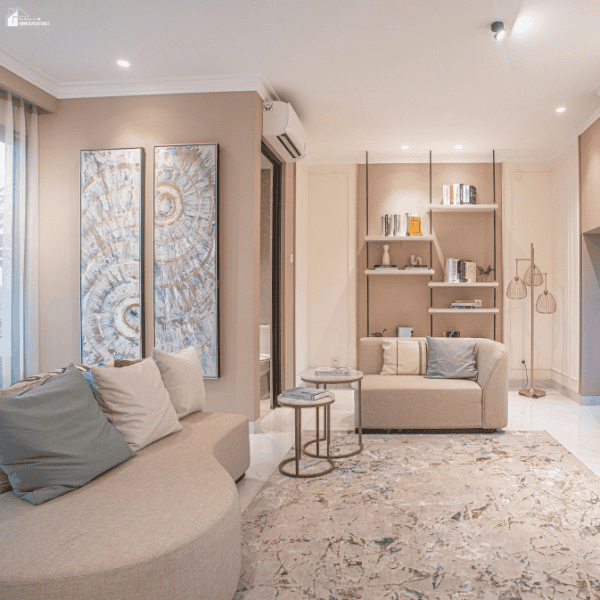
Layering light transforms how a room feels at different times of day. Combine ambient lighting (overhead fixtures), task lighting (floor or table lamps for reading), and accent lighting (to highlight artwork or architectural details) for a space that adapts to whatever mood or activity the moment calls for.
Quick tip: Aim for at least three light sources in a typical living room: overhead, floor, and table or wall lighting.
To take this a step further, consider installing dimmer switches on your main overhead lights; this simple upgrade allows you to instantly transition the room from a bright, productive workspace during the day to a cozy, relaxed environment at night.
For color, a neutral base offers flexibility and a sense of calm, while texture — wool throws, cotton cushions, natural wood surfaces — adds warmth without overwhelming the eye. When choosing materials, look beyond the surface aesthetics.
In high-use rooms, prioritize washable covers and stain-resistant fabrics over purely decorative choices.
Natural elements like performance linen, distressed leather, or sealed hardwoods not only stand up to daily wear but also develop a beautiful patina over time, proving that beauty that can't survive daily life tends to create more stress than it relieves.
Balancing Style and Longevity
Invest in timeless foundations — sofas, rugs, and storage pieces — and refresh the room over time through smaller accents like pillows, artwork, and lamps. Simply swapping out cushions and a rug can transform the feel of a space without replacing major furniture.
When purchasing these foundational pieces, prioritize craftsmanship and structural integrity, such as solid wood frames or high-density foam cushions, which prevent sagging and premature wear.
Choose materials that age gracefully, and set realistic expectations: no fabric is truly stain-proof, but with the right selection and proper care, some hold up remarkably well under everyday wear. Remember that longevity also means adaptability.
Opting for neutral, classic silhouettes for your largest investments allows your personal style to evolve over the years without requiring a complete financial or structural overhaul of the room.
Bringing It All Together
A comfortable, functional living room grows out of understanding who uses it, how they use it, and what genuinely supports those daily rhythms. It is the result of intentional choices rather than impulsive purchases driven by fleeting social media trends.
Walk through your current space and honestly assess what works and what consistently gets in the way — then make one small, deliberate change at a time.
Whether that means rearranging your seating to face a window instead of the television, or finally investing in a durable storage unit to hide the daily clutter, the goal is progress, not perfection.
Ultimately, a living room worth spending time in is less about achieving a flawless, showroom-like catalog look and more about creating a resilient, welcoming environment that effortlessly reflects and supports how you truly live.