What First Time Travellers Should Know Before Booking a Wine Tour in Slovenia
This post may contain affiliate links which might earn us money. Please read my Disclosure and Privacy policies here
Slovenia is one of Europe’s most remarkable wine destinations. Yet many travelers have never heard of it. Those who visit often leave talking about its vineyards, wines, and hospitality for years.
Located between Italy, Austria, Croatia, and Hungary, this small Alpine country has a winemaking history that spans more than 2,000 years. Celtic and Illyrian tribes cultivated vines long before the Romans planted grapes in parts of France and Spain.
Today, Slovenia is home to more than 28,000 winemakers. They produce over 50 grape varieties across three distinct wine regions. Many of these grapes are native to Slovenia and cannot be found elsewhere.
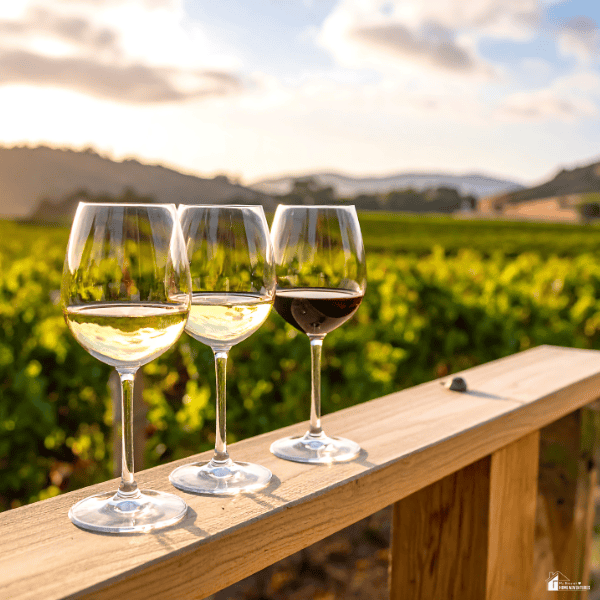
Despite its rich heritage and high-quality wines, Slovenia remains largely overlooked by mainstream wine tourism. As a result, visitors can enjoy authentic wine experiences without the crowds found in more famous European wine regions.
That is precisely what makes it so worth discovering. Whether experienced independently or through Slovenia private wine tours, a visit to a family cellar in the rolling hills of Goriška Brda or a tasting of Zelen in the windswept Vipava Valley feels deeply personal.
You are not part of a crowd. You are a guest. Slovenian winemakers are proud, generous, and deeply connected to the land they work. Before you book your first wine tour, here is everything you need to understand about this remarkable culture so you can experience it the way it deserves.
A History Deeper Than Most Wine Countries Can Claim
Slovenian wine has deep roots that stretch back thousands of years. Long before famous wine estates existed, people recognized that this part of Europe offered excellent conditions for growing grapes. Fertile soils, mountain air, and Mediterranean influences helped vineyards thrive.
Winemaking in Slovenia began before Roman rule. Celtic and Illyrian tribes cultivated vines as early as the 5th and 4th centuries BC. Later, the Romans expanded viticulture throughout the region. Ancient records even praised the quality of Slovenian wines.
During the Middle Ages, monastic communities preserved winemaking traditions. Centuries of Habsburg influence later shaped wine production, especially in northeastern Slovenia. However, the industry faced major challenges over time.
Phylloxera damaged vineyards across Europe, and decades of socialist rule limited private wine production.
A new chapter began after Slovenia gained independence in 1991. Winemakers combined traditional knowledge with modern techniques, leading to a strong revival of the industry.
Today, Slovenia's wine culture feels vibrant and authentic. Younger producers experiment with natural and orange wines, while older generations continue to share their experience and expertise. Families often work together, passing knowledge from one generation to the next.
This balance of innovation and tradition makes Slovenian wineries stand out. As a result, many visitors find each winery visit personal, memorable, and deeply connected to local history.
The Three Wine Regions You Must Understand Before You Go
Slovenia is divided into three principal wine-growing regions, each with a distinct character, landscape, climate, and range of signature wines. Knowing which region appeals to your tastes will help you choose the right tour and arrive with the right expectations.
1. Primorska: The Crown Jewel of Slovenian Wine
Primorska, in the west of the country, is where most international wine travellers first fall in love with Slovenia. The region shares the same mineral-rich soils found in neighboring Friuli, Italy. A warm Mediterranean climate and diverse terroir help produce bold, dry wines with distinctive character and depth.
Region highlights:
- Goriška Brda, often called the Tuscany of Slovenia, is famous for its elegant white Rebula, structured Merlot, and breathtaking landscapes of rolling hills dotted with red-roofed villages
- Vipava Valley is home to the indigenous white varieties Zelen and Pinela, a thriving orange wine scene, and some of the most food-friendly, aromatic wines in the entire country
- The Karst region is synonymous with Teran, a deep ruby red grown in iron-rich terra rossa soil that pairs beautifully with locally produced air-dried ham known as pršut
- Slovenian Istria produces lush white Malvazija and bold red Refošk along sun-drenched coastal hillsides with a distinctly Italian character in language and culture
Primorska is the region that most private wine day tours from Ljubljana explore, and for good reason. The scenery is among the most beautiful in Central Europe, and the wines are some of the most exciting you will find anywhere.
2. Podravje: Slovenia's Largest Region and the Home of the World's Oldest Vine
Podravje lies in northeastern Slovenia and is the country's largest wine-growing region by area. Nearly 10,000 hectares of vineyards stretch across the landscape.
The region is known for producing elegant white wines. Hot summers and cold winters create ideal growing conditions. In addition, Podravje's winemaking traditions reflect strong Germanic and Austro-Hungarian influences that continue to shape the region today.
Region highlights:
- Maribor is home to the world's oldest known living grapevine, a Žametovka vine more than 450 years old that still produces fruit each year and is listed in the Guinness Book of Records
- Štajerska Slovenija is the largest single wine-growing district in the country, producing crisp and aromatic whites, including Sauvignon Blanc, Riesling, Chardonnay, and the indigenous Šipon, known internationally as Furmint
- Gornja Radgona carries a tradition of classical-method sparkling wine production stretching back over 150 years, the first of its kind in Slovenia
- Maribor's Vinag cellar is one of the largest traditional wine cellars in Europe, featuring 2.5 kilometres of underground tunnels that visitors can explore
For travellers who appreciate delicate, food-friendly whites with a strong sense of place, Podravje is a quietly spectacular destination that most tourists completely miss.
3. Posavje: Tradition, Underground Cellars, and a Wine Like No Other
Posavje is located in southern Slovenia and is the smallest of the country's three wine regions. It is also the region most closely connected to rural traditions and small-scale winemaking.
Most vineyards in Posavje are very small, with the average covering less than a quarter of a hectare. As a result, much of the wine is produced for local consumption and is rarely available outside the region.
That intimacy is exactly its appeal.
Region highlights:
- Cviček is the defining wine of Posavje, a unique blend of at least four red and white grape varieties producing a light, refreshingly acidic wine with a reddish hue that has been produced in the Dolenjska area for over 200 years
- Repnice cellars are historic underground caves carved directly into the earth, used traditionally for ageing wine and storing turnips, and still found across the countryside today
- Zidanice are charming small vineyard cottages, either wooden or stone-built, where local families produce wine and often welcome guests to stay overnight among the vines
- Bizeljsko is particularly known for its sparkling wines and is one of the most scenic and undervisited areas in the entire country
If you want to understand the true domestic soul of Slovenian wine culture, away from boutique winery tourism, Posavje is where you will find it.
The Wines Every Traveller Should Seek Out
One of the highlights of a Slovenian wine tour is tasting grape varieties that may be completely new to you. Many of these unique wines offer flavors and characteristics that stand out among the best wine regions in Europe.
Rather than chasing familiar international names, lean into the indigenous varieties that Slovenia produces, unlike anywhere else in the world.
Here are the wines to actively look for on your tour:
- Rebula: The signature white of Goriška Brda, with aromas of apricot, citrus blossom, and fresh stone fruit. Also produced as an internationally celebrated orange wine with extraordinary texture and depth
- Zelen: Found almost exclusively in the Vipava Valley, this rare indigenous variety produces wines of aromatic complexity, elder flower, white peach, and dried herbs, with a bright acidity that makes it one of the most food-friendly whites in the country
- Pinela: Another Vipava Valley native, delicate and floral with crisp acidity and a lovely softness that makes it ideal for warm afternoon tastings
- Teran: The iconic red of the Karst, made from the Refosco grape grown in iron-rich terra rossa limestone soil. Expect dark fruit, firm tannins, high acidity, and a mineral intensity that is unlike any other red wine you will have tasted
- Cviček: A uniquely Slovenian blend of red and white varieties with low alcohol and a refreshing sour edge, deeply embedded in the everyday culture of the Posavje region
- Malvazija: The coastal white of Slovenian Istria, aromatic, textured, and layered with herbs, stone fruit, and mineral notes that speak directly of the limestone landscape it comes from
- Šipon (Furmint): The speciality of Podravje, producing everything from dry and crisp everyday whites to award-winning sweet wines that have taken gold at the Decanter World Wine Awards
Ask your guide which indigenous variety is at its best during your visit. You will almost certainly leave with a bottle of something you cannot find back home.
What Makes Slovenian Wine Culture Genuinely Unique
There are many wine regions in Europe, but few feel as personal and unhurried as Slovenia. The culture here is not built on luxury brands, famous labels, or tourist infrastructure. It is built on family, land, and a commitment to authenticity that runs through every glass poured.
What sets Slovenian wine culture apart from anywhere else:
- The majority of wineries are small, family-owned operations where the winemaker personally welcomes you into their cellar, tells you the story of their land, and pours the wine themselves
- Many producers handpick their grapes and age wine in oak using methods passed down across several generations, with little interest in mass production or commercial shortcuts
- Slovenia has a remarkably high proportion of organic, biodynamic, and low-intervention winemakers compared to most European countries, driven by genuine conviction rather than marketing
- The country is a recognised global pioneer in natural and orange wine, with producers in Brda and the Vipava Valley leading the international conversation on minimal-intervention winemaking
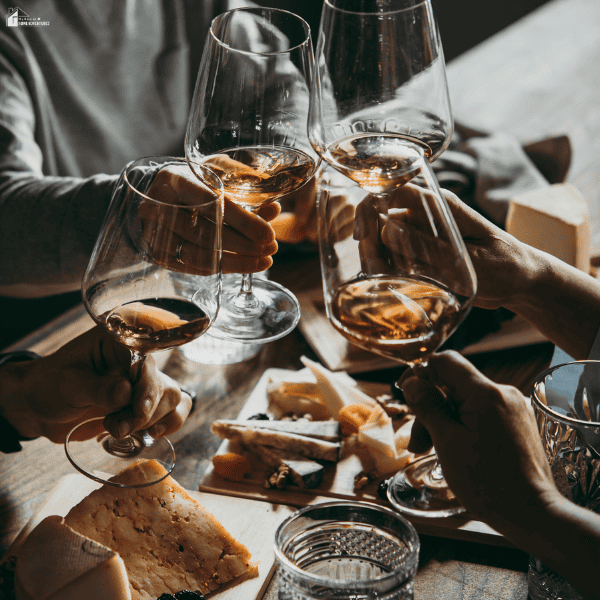
- Wine and food are inseparable in Slovenian culture. Tastings almost always come with local cured meats, aged cheeses, olive oil, and fresh bread, because Slovenian winemakers understand that their wines are made to be eaten alongside
This culture of genuine hospitality and openness is something travellers consistently describe as the highlight of their visit, often more memorable than the wine itself.
Practical Tips Before You Book Your Wine Tour
A well-planned wine tour in Slovenia is one of the most rewarding travel experiences in Central Europe. These tips will help you book smart and get the most from every hour in wine country.
Essential planning advice for every traveller:
- Book a private tour for the most personal experience. A private group can spend more time at wineries they love, ask questions without feeling rushed, and tailor the day's route to their actual preferences before departure
- Visit in spring or autumn for the most beautiful vineyard landscapes and the most comfortable travel conditions. Summer fills up quickly, and September and October bring harvest festivals that add an entirely different energy to the countryside
- Dress in layers regardless of the season. Weather in Slovenia shifts quickly, particularly near the Alps and in the hills of Brda, and cellar visits are always cool, even on the hottest days
- Eat a proper meal before you begin. Most boutique wineries serve snacks alongside tastings, but a solid base will help you pace yourself and genuinely appreciate the nuances of each wine throughout the day
- Reserve boutique wineries well in advance, particularly for harvest season visits. The most sought-after family producers operate on very limited visitor numbers and fill up months ahead of time
- Tell your guide your preferences honestly. Whether you love bold reds, delicate whites, natural wines, or sparkling, a knowledgeable local guide can build the entire day around what you will actually enjoy most
Travellers who have explored Slovenia's wine regions through a well-planned private day tour from Ljubljana consistently describe it as the most memorable day of their entire trip, returning home with bottles they treasure and stories they keep telling long after the holiday ends.
Final Thoughts
Slovenia is a wine country that does not need to shout. It has spent thousands of years developing a culture so rooted in the land, so genuinely hospitable, and so quietly confident in the quality of what it produces that it simply waits for the right travellers to discover it.
And when those travellers arrive, they almost always wish they had come sooner.
What you will find here is not a polished wine tourism machine. A local winemaker may share stories about the vintage from the year their child was born. At another stop, a grandmother might encourage you to enjoy one more glass before heading out.
Along the way, rolling landscapes seem painted by hand. Distinctive wines reflect the character of the region. Every bottle is tied to a particular hillside, a family tradition, and a story passed down through generations.
Whether you are a seasoned oenophile chasing indigenous varieties or a curious traveller who simply enjoys a beautiful glass in a beautiful place, Slovenia will give you more than you expected. The wines are extraordinary. The people are even better.
All you have to do is book the right tour, show up, and let the experience take it from there.