When Is It Time to Replace Your Windows and Doors?
This post may contain affiliate links which might earn us money. Please read my Disclosure and Privacy policies here
Windows and doors work hard every day. They shape how a home looks, feels, and holds its heat. Most last for years, then quietly start to fail. Knowing the signs saves you money and stress.
Location shapes the project too. In New England, one local installer example is Best Choice Doors & Windows. A nearby team knows the climate, the permits, and the older housing stock. The rest of this guide keeps things practical for a busy homeowner.
How Do You Know When Windows and Doors Need Replacing?
Old windows send clear signals. You can spot most of them without a pro. Watch for a few common ones.
Look for these warning signs around the house:
- Drafts you feel near a closed window or door.
- Fog or moisture trapped between two panes.
- Frames that stick, swell, or refuse to lock.
- Rising heating and cooling bills each season.
- Rooms that never reach a comfortable temperature.
- Paint, rot, or soft spots on wood frames.
Two or three signs together usually mean the seal is gone. Most windows last 15 to 20 years before that point. A quick check each spring keeps small issues from growing.
Doors deserve the same look. A front door that lets in a draft wastes heat all winter. Sliding patio doors often stick or leak once the rollers wear down. Check the weatherstripping and the lock on every exterior door.
What Does a Replacement Project Actually Involve?
A replacement project is a series of clear stages. It is simpler than many homeowners expect. Planning ahead keeps the timeline tight.
Most jobs follow the same path:
- Measure and quote, where a crew records each opening.
- Order, since custom units take 2 to 4 weeks to arrive.
- Install, which runs 1 to 3 days for an average home.
- Cleanup and a final walkthrough with the crew.
Get 3 written estimates before you sign anything. Price varies with size, material, and count. A single vinyl window often runs $400 to $900 installed. Never pay the full amount up front, since a third is a fair deposit.
Read the warranty before you choose a crew. Good coverage protects both the glass and the labor for years. Ask how long the installer has worked in your town. A steady local record matters more than the lowest bid.
Ratings help you compare options fairly. Every certified window carries an NFRC label, an independent rating for U-factor, solar heat gain, and air leakage. Those numbers let you match a window to your home.
A little prep makes install day smooth. Clear furniture and blinds away from each opening before the crew arrives. Ask whether your town requires a permit for the work. Most swaps of the same size do not, though a wider opening can.
Can You Boost Curb Appeal Without a Full Remodel?
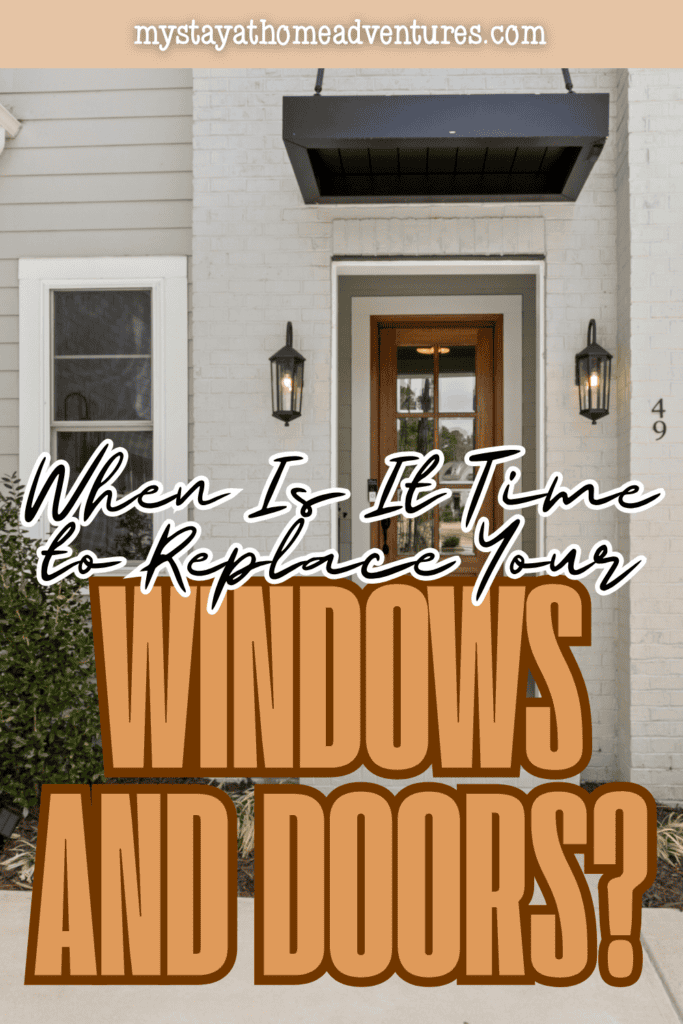
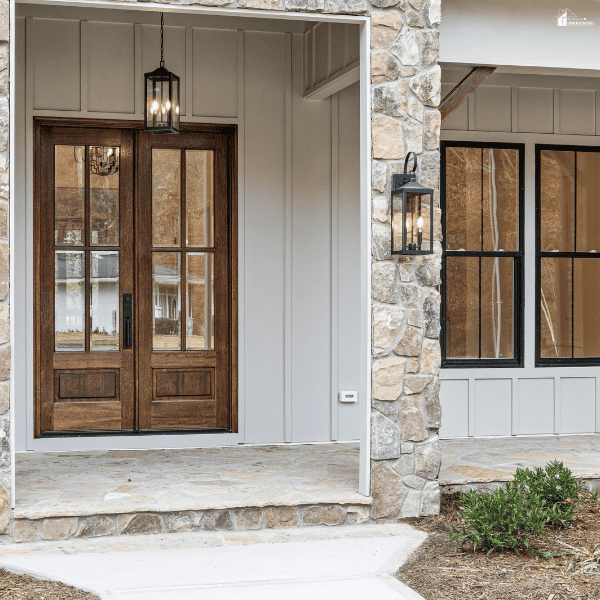
Curb appeal is the first thing a visitor notices. Windows and doors are among the most visible exterior projects a homeowner takes on. Small choices make a big first impression.
You do not need a full remodel to see a change. Fresh paint, new hardware, and a bold front door count as simple property upgrades that lift the look fast. New windows and doors can also raise home value at resale.
Style should still meet performance. A free window selection tool matches ratings to your climate zone. That way curb appeal and comfort improve together.
Timing helps the budget as well. Spread the work across 1 or 2 seasons if funds are tight. Tackle the street-facing windows first for the fastest visual payoff. The back of the house can wait until next year.
Which Upgrades Add the Most Comfort?
Comfort is the reason many homeowners finally act. A drafty room feels colder than the thermostat reads. The right upgrades fix that fast.
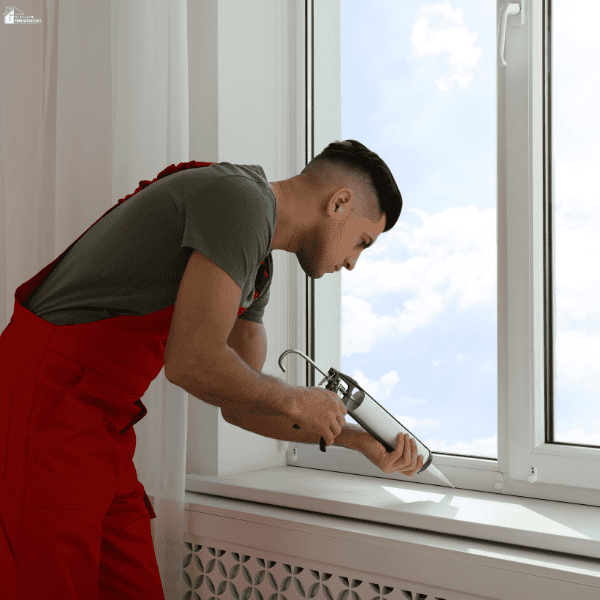
Start with the easy wins. Weatherstripping and fresh caulk are small DIY fixes you can finish in a weekend. They buy time while you plan the larger job.
Then think about the whole opening. An insulated door and a tight frame steady the temperature near an entry. Double-pane glass cuts drafts and outside noise at once. Many homeowners notice the change within the first 24 hours.
Doors carry their own comfort gains. A steel or fiberglass door resists dents and holds a seal well. A storm door adds a second barrier against wind and rain. Pick a style that fits the age of your home.
A Quick Homeowner Checklist Before You Call
Run through this short list before you reach out to an installer:
- Note which windows and doors show the most damage.
- Set a rough budget and a target start date.
- Gather 3 estimates from local, licensed crews.
- Ask about warranty terms on glass and labor.
- Confirm the deposit is no more than a third.
- Check reviews and recent work in your area.
Frequently Asked Questions About Window and Door Replacement
How Long Do Replacement Windows Last?
Quality windows last 15 to 20 years with care. Vinyl and fiberglass frames often reach the higher end. Cleaning the tracks and seals each year helps them last.
Is It Cheaper to Repair or Replace?
Small drafts and loose hardware are worth a repair. Once a window fogs between the panes, replacement usually wins. A local installer can check the frame and glass first.
What Time of Year Is Best for the Work?
Late spring and early fall bring mild weather. Crews work faster when it is 50 to 70 degrees outside. Many companies also offer off-season pricing in winter.
Do New Windows and Doors Really Cut Energy Bills?
Yes, a tighter envelope lowers heating and cooling costs. Savings depend on your old units and local climate. Look for a low U-factor rating on the label.
Planning Your Window and Door Refresh
A window and door refresh pays off in comfort, looks, and lower bills. Start with the worst offenders, then work across the house. Set a budget, book a trusted crew, and plan around the seasons. The result is a home that feels warmer and looks sharp for years.