How to Stop the Afternoon Sun From Ruining Your Backyard Dinners
This post may contain affiliate links which might earn us money. Please read my Disclosure and Privacy policies here
Eating dinner outside sounds like a great family tradition until you actually try it in mid-July. You carry the plates out to the table. Five minutes later, everyone is sweating and squinting through the glare. The heat radiating off the concrete makes the air feel heavy.
The kids abandon their outdoor toys, and the dog just begs to go back into the air conditioning. Most backyards look beautiful in the morning, but they become completely unusable by late afternoon.
Figuring out how to block that harsh sunlight completely changes how you experience your own property. It turns a miserable hot spot into an actual gathering place.
Moving Past the Flimsy Patio Umbrella
We usually start by buying a cheap market umbrella. They seem like an easy fix at the hardware store. But they only cast a tiny shadow that moves every thirty minutes as the sun shifts across the sky. Then a summer thunderstorm rolls through, catches the fabric, and snaps the metal pole in half.
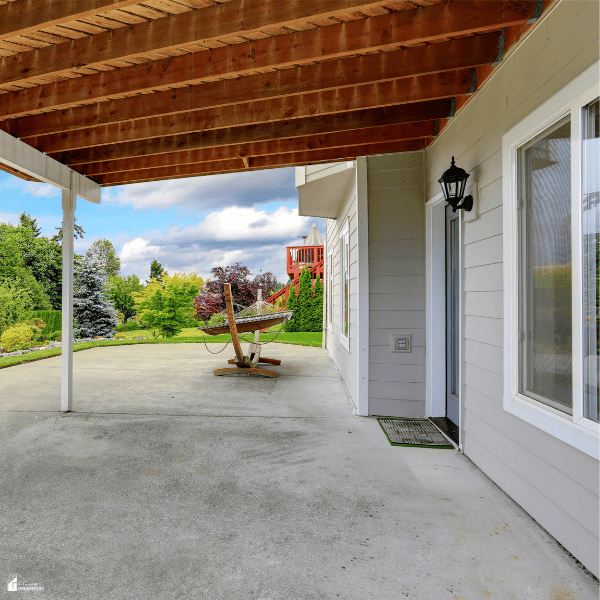
People usually get tired of wrestling with them every single year. Looking into permanent wood shade structures often becomes the next logical step. They ground the seating area and actually withstand heavy winds.
Heavy timber creates a physical boundary that tricks your brain into feeling like you are in an outdoor living room rather than just sitting exposed in the middle of a lawn. It gives the patio a sense of permanence.
Deciding Between Open Slats and a Solid Roof
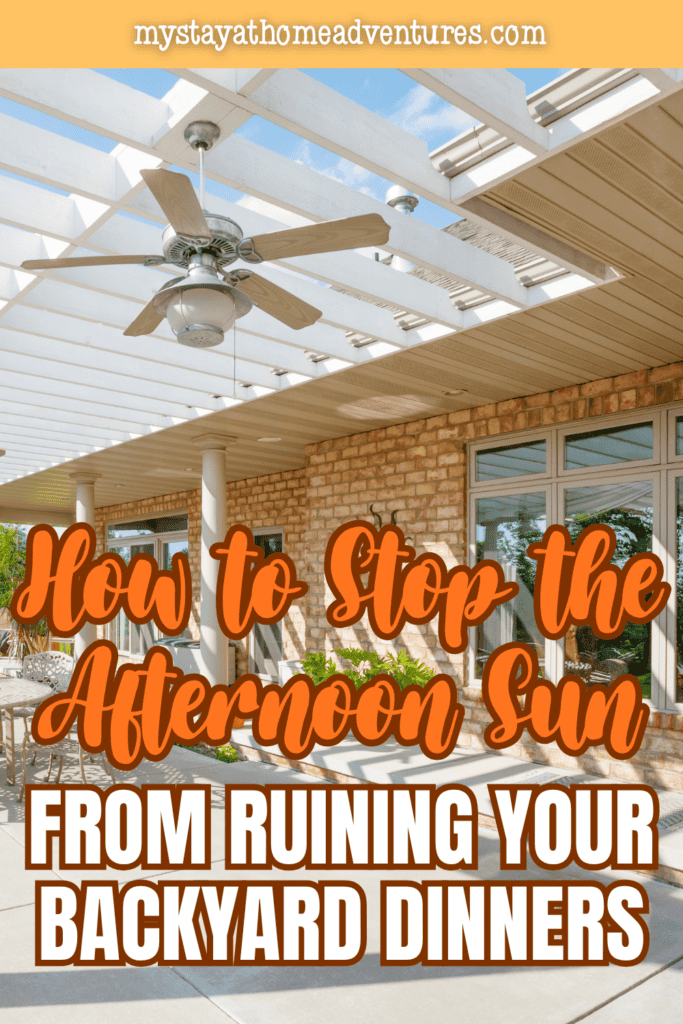
Once you decide to build something permanent, you have to figure out how much protection you actually need. Looking at different shade structures for patios usually means choosing between a slatted pergola and a full pavilion.
Both have clear benefits depending on how you plan to use the space. Let's look at the daily reality of these options so you can figure out what fits your daily habits.
- Open-slat roofs: These block the harshest direct rays while still letting hot air escape upward. They feel bright and airy, making them great for mild climates. But they will not keep your cushions dry during a sudden rainstorm.
- Solid pavilions: A complete roof means you can leave your plush furniture out all season without worrying about mildew. You can even wire a television out there for movie nights. The downside is that solid roofs can trap rising heat if you do not plan for proper ventilation.
If you love sitting outside during a warm summer rain, a solid roof makes sense. If you just want to take the edge off the afternoon glare, open slats usually keep the area feeling a bit cooler naturally.
Adding Movement to the Air
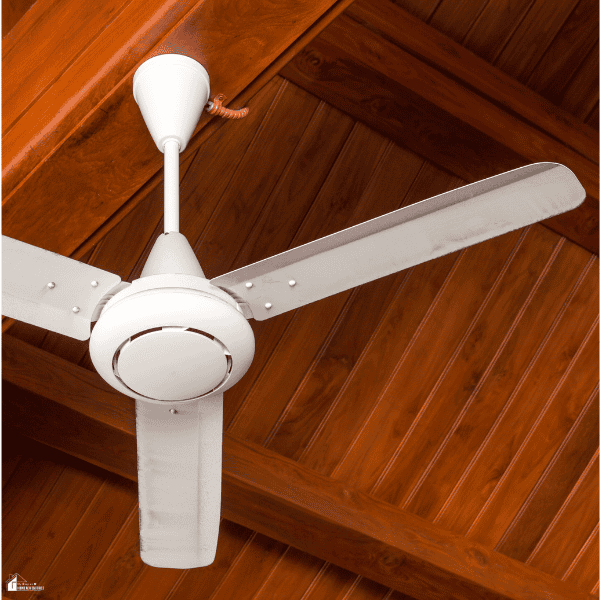
Blocking the sun is only half the battle. Stagnant air makes any covered space feel instantly oppressive. You have to create some kind of breeze to keep the humidity from settling right over your dining table. If you build a structure with a solid ceiling, wiring an outdoor-rated ceiling fan is generally a smart move.
Just make sure the blades are rated for high moisture, or they will start drooping toward the floor by the end of the season. If you skip the hardwiring, a heavy-duty oscillating floor fan tucked in the corner works incredibly well.
Pushing the air across your skin evaporates sweat faster. It also makes it incredibly difficult for mosquitoes to land on you, which solves two summer problems at once.
Using Plants to Cool the Surrounding Surface
Concrete and brick soak up solar energy all day. They slowly release that heat well into the evening, acting like a giant radiator. You can drop the ambient temperature around your seating area simply by covering some of those hard surfaces with greenery.
Plant a row of tall ornamental grasses along the western edge of your patio to filter the late afternoon light. Train a fast-growing jasmine vine up the nearest post. Plants naturally cool the air as they release moisture through their leaves.
They also absorb the sunlight instead of reflecting it back at your eyes. Give them a few months to grow in. You will suddenly have a private, shaded corner that stays comfortable long after the sun goes down.