Energy-Efficient Plumbing and Heating Solutions to Save You Money
This post may contain affiliate links which might earn us money. Please read my Disclosure and Privacy policies here
In today’s world, energy efficiency is more important than ever. With rising energy costs and growing concerns about environmental sustainability, homeowners are actively seeking ways to reduce their carbon footprints while saving money.
One area where significant savings can be achieved is in the plumbing and heating systems of a home. By making the right choices and adopting energy-efficient plumbing and heating solutions, you can lower your utility bills and contribute to a greener environment.
For those in North London, finding skilled emergency plumbers who can help with energy-efficient solutions is crucial. Let’s explore how you can improve your home’s energy efficiency and lower your costs.
The Role of Plumbing in Energy Efficiency
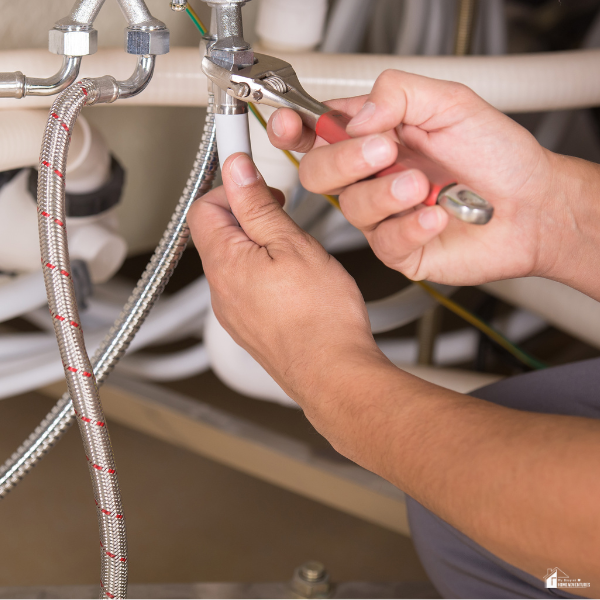
Many overlook plumbing systems, but they play a key role in a home's energy efficiency. Inefficient plumbing wastes water, uses more energy, and raises costs.
An energy-efficient plumbing system focuses on reducing water waste and improving the performance of water-based heating systems, ultimately saving money and reducing your environmental impact.
One of the key ways plumbing can affect energy efficiency is through water heating. Traditional water heaters can be a significant source of energy consumption in a home. Old, inefficient water heaters often use more energy than necessary, raising both your water and heating bills.
Modern energy-efficient water heaters, like tankless or condensing models, use less energy by heating water only when needed instead of constantly warming a large tank.
Improving Heating Efficiency
When it comes to reducing your energy consumption, heating systems are often one of the most significant sources of energy use in a home. The average UK household spends a large portion of its energy budget on heating, mainly for space heating and hot water.
Fortunately, there are several solutions to enhance heating efficiency and cut down on unnecessary energy use.
Upgrading to a More Efficient Boiler
Older boilers can be particularly inefficient, often wasting energy and driving up household heating bills. In London—especially across North London, where cold winter spells can place heavy demand on heating systems—having an efficient boiler makes a noticeable difference in keeping homes warm without excessive energy costs.
Modern condensing boilers use advanced technology to capture and reuse heat from flue gases that would otherwise be lost, making them far more efficient than older, traditional models.
Investing in a high-efficiency boiler can result in meaningful long-term savings on energy bills, particularly when paired with regular servicing. A well-maintained boiler runs at peak efficiency, using less fuel to generate the same level of heat.
To keep your system performing reliably throughout the year, it’s essential to arrange routine servicing with a qualified local professional, such as experienced Emergency Plumbers North London, who can quickly address faults, carry out repairs, or advise on any necessary upgrades.
Smart Thermostats and Zoned Heating Systems
Another innovative way to improve the efficiency of your heating system is through smart thermostats. These devices allow you to control your heating system remotely, optimize energy usage based on your daily routine, and ensure that your home is heated only when needed.
Many smart thermostats also learn your preferences over time and adjust the temperature accordingly, helping to prevent unnecessary heating and lowering your energy consumption.
In addition to smart thermostats, zoned heating systems can be another useful energy-saving solution. These systems divide a home into separate zones, allowing you to control the temperature in different areas independently.
If you spend most of your time in one part of the house, you can heat that area to a comfortable level while avoiding wasting energy on empty rooms. The ability to manage heating more precisely leads to better energy efficiency, as you’re only heating the spaces you’re actually using.
The Importance of Insulation and Sealing
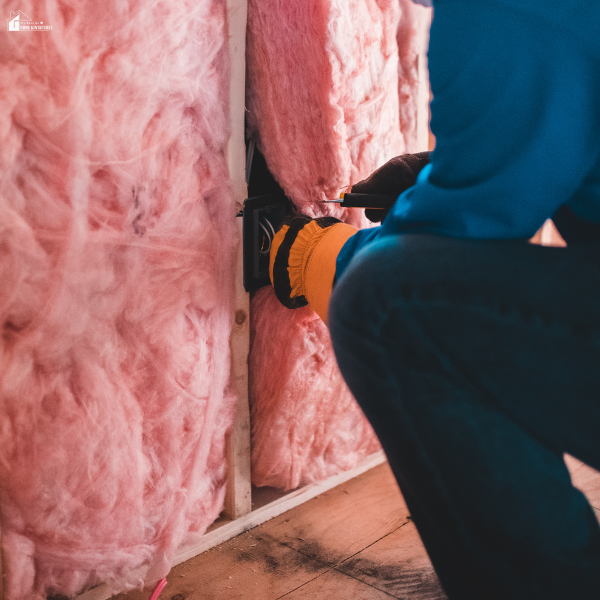
Proper insulation and sealing play a pivotal role in keeping a home warm and energy-efficient. Plumbing and heating systems are more effective when the home is adequately insulated, as heat loss is minimized.
In areas where access points are required, using a gasketed access door helps prevent air leakage by creating a tight seal, which supports consistent insulation performance and reduces unwanted heat loss.
A poorly insulated home can result in heat escaping through walls, ceilings, and floors, making your heating system work harder to maintain a comfortable temperature. This leads to higher energy consumption and increased costs.
Insulating Pipes to Prevent Heat Loss
Another key area for improving energy efficiency in plumbing is insulating pipes. Water pipes that run through unheated spaces, such as basements and attics, are at risk of heat loss, especially during the colder months.
This means that water heaters need to work harder to maintain the desired temperature, leading to wasted energy and higher bills. By insulating these pipes, you can prevent heat loss and improve the overall efficiency of your water heating system.
Emergency plumbers in North London can help identify areas where insulation is needed in your plumbing system. In some cases, adding pipe insulation can lead to significant savings on both water and heating costs.
For instance, insulated pipes can keep hot water at the desired temperature for longer periods, reducing the energy required to heat water throughout the day.
Sealing Gaps and Improving Windows
Sealing gaps around windows, doors, and other openings in your home can help improve both heating and plumbing efficiency. Gaps in these areas can allow cold air to enter the home and warm air to escape, which forces your heating system to work harder.
Sealing your home properly keeps the warmth in and the cold out, reducing the need for excessive heating.
Proper window insulation also matters. Windows often cause significant heat loss, but modern energy-efficient designs help reduce heat transfer.
Double-glazed windows, for example, help to keep the warmth inside your home, further reducing the energy needed to heat your living space.
Water-Saving Solutions
In addition to heating improvements, plumbing systems can also benefit from water-saving devices. The UK is facing increasing pressure on water resources, and every drop counts.
Installing water-saving fixtures such as low-flow faucets, showerheads, and dual-flush toilets can help reduce your household’s water usage without sacrificing comfort.
Installing Low-Flow Fixtures
Low-flow faucets and showerheads are designed to reduce water consumption while maintaining an acceptable level of water pressure.
By using less water per minute, you can reduce your overall water usage, which not only saves on your water bill but also reduces the energy needed to heat that water.
Regular Plumbing Maintenance
Regular maintenance is an essential part of keeping your plumbing and heating systems running efficiently. Leaks in pipes, faucets, and toilets can result in wasted water and energy. If not repaired promptly, these small issues can add up over time, leading to higher utility bills.
Working with emergency plumbers in North London who can quickly address leaks and other plumbing issues will help ensure your system runs smoothly and efficiently.
Conclusion
Adopting energy-efficient plumbing and heating solutions can have a significant impact on your energy costs and the overall sustainability of your home.
From upgrading to modern water heaters and efficient boilers to installing smart thermostats and water-saving fixtures, there are many ways to reduce energy consumption and save money.
Properly insulating your home and sealing gaps to prevent heat loss also play a vital role in maintaining energy efficiency.
By working with skilled professionals, such as emergency plumbers in North London, homeowners can identify areas of improvement in their plumbing and heating systems and take proactive steps to reduce energy usage.
With the right upgrades and maintenance, your home can be more energy-efficient, environmentally friendly, and cost-effective, all while keeping you comfortable throughout the year.