
Should You Repair Your Home or Sell It As Is?
This post may contain affiliate links which might earn us money. Please read my Disclosure and Privacy policies here
A home that needs repairs creates a difficult financial decision. You can spend money improving the property before listing it, or sell it in its current condition and leave the work to the next owner.
Neither option is automatically better. The right choice depends on the condition of the home, available cash, local buyer demand, expected repair returns, and how quickly you need to sell. The useful number is not the highest possible sale price. It is the amount you are likely to keep after repairs, carrying costs, and transaction expenses.

Start With the Property’s Actual Condition
Before deciding, identify what the house really needs.
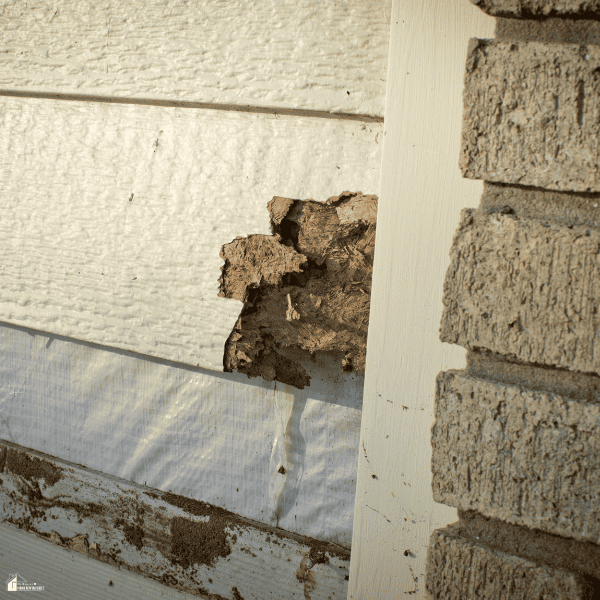
Separate cosmetic issues from defects involving the roof, foundation, plumbing, electrical system, HVAC, drainage, or water intrusion. Cosmetic work is relatively easy to price. Major building defects can expand once contractors begin opening walls or removing damaged materials.
A pre-listing inspection can help uncover problems before money is committed to improvements. For an older property, separate inspections for the roof, electrical system, foundation, or sewer line may also be worthwhile.
Calculate the Full Cost of Repairs
Contractor estimates do not represent the entire cost of preparing a house for sale.
You may also pay for permits, debris removal, design work, temporary storage, landscaping, cleaning, inspections, and materials that were not included in the original quote.
Build a Realistic Repair Budget
Include:
- Labor and materials
- Permit and inspection fees
- Cleanup and waste removal
- Temporary storage or accommodation
- Landscaping and exterior work
- Financing costs
- A contingency for hidden problems
- Mortgage, insurance, taxes, and utilities during construction
For larger projects, a contingency is important because opening walls, floors, and ceilings can expose issues that were not visible during the initial estimate.
Compare Repairs With an As-Is Sale
Once you know the likely repair cost, compare it with what the property could reasonably sell for before and after improvements.
Homeowners who do not want to manage renovations can also compare a conventional listing with a direct sale to a local property buyer such as Momentum Acquisitions. An as-is sale can reduce the amount of preparation required, although sellers should compare the proposed net proceeds carefully against other available options.
Do not compare an as-is offer with the projected asking price of a completely renovated home. That ignores the money and time required to create the renovated property.
Instead, calculate estimated net proceeds for each scenario after all costs have been deducted.
Focus Repairs on Problems Buyers Will Notice
If you decide to repair the house, prioritize work that removes obvious buyer concerns.
An outdated bathroom may reduce visual appeal, but an active roof leak can create questions about moisture damage, mold, ceilings, insulation, and structural components. One unresolved defect can make buyers suspicious of the rest of the property.
Start with safety, water management, and major systems. Then move to lower-cost cosmetic improvements if the budget still makes sense.
Avoid Remodeling for Your Own Taste
Preparing a house for sale is different from renovating a home you plan to occupy for ten years.
Expensive custom tile, unusual cabinetry, luxury appliances, or highly specific colors may cost more than buyers are willing to pay for them.
Neutral improvements generally carry less design risk. Fresh paint, working fixtures, clean flooring, repaired trim, and improved lighting can make the property feel maintained without requiring a complete redesign.
That distinction matters when evaluating return on investment. A $25,000 remodeling project does not automatically increase the sale price by $25,000.
Include Carrying Costs in the Decision
Time has a measurable cost.
If renovation delays the sale by four months, you may continue paying the mortgage, property taxes, homeowners insurance, utilities, lawn maintenance, and HOA fees during that period.
A project that appears profitable before carrying expenses may look very different after several months of additional ownership.
Contractor delays can also extend the schedule. Material shortages, permit approvals, failed inspections, and unexpected repairs should be included in the timeline rather than treated as rare exceptions.
Think About Inspection and Financing Risk
Repairing the most visible problems does not guarantee that a traditional sale will move smoothly.
Buyers may still order a home inspection and request additional repairs. Their lender may also require certain property conditions to be corrected before financing can close, particularly when significant safety or habitability issues exist.
An older property with extensive deferred maintenance therefore carries more transaction uncertainty than a recently maintained home.
Before investing heavily in cosmetic upgrades, determine whether major defects could still interfere with financing or negotiations.
Know When Minor Improvements Are Enough
Some houses do not need major renovation before they are marketed.
Cleaning, decluttering, repairing damaged surfaces, replacing burned-out bulbs, trimming landscaping, and touching up paint may be enough to improve presentation.
Low-Cost Pre-Sale Improvements
Consider:
- Deep cleaning kitchens and bathrooms
- Repairing loose handles and hardware
- Replacing damaged outlet covers
- Cleaning windows
- Touching up neutral paint
- Removing oversized furniture
- Improving exterior lighting
- Trimming overgrown landscaping
These jobs are relatively inexpensive and can help buyers evaluate the property without being distracted by easily correctable maintenance.
Use Decor to Finish the Space, Not Hide Problems
Once essential repairs and cleaning are complete, small decorative details can make rooms feel more intentional during photography and showings.
Keep staging simple. Neutral bedding, a few plants, clean countertops, coordinated towels, and small accents usually work better than filling rooms with decorations.
Even functional items can contribute to the presentation. A set of ceramic coasters, for example, can be used as a subtle decorative detail on a coffee table, breakfast nook, or staged patio area. Small touches like these should support the room rather than distract from it.
Decor should never be used to conceal damaged surfaces, water stains, or other defects. Buyers are likely to discover those issues during an inspection anyway.
Calculate Net Proceeds Before Choosing
The final decision should be based on numbers.
Estimate the likely as-is sale price. Then estimate the potential sale price after repairs.
From the repaired scenario, subtract renovation expenses, carrying costs, selling expenses, additional insurance or financing costs, and a contingency for unexpected work.
Do the same for the as-is scenario using the actual expenses associated with that type of sale.
The difference between the two net figures is what matters.
Consider Your Time and Risk Tolerance
Financial return is only part of the decision.
Managing contractors, choosing materials, coordinating inspections, monitoring budgets, and keeping a vacant property secure all require time. A renovation may be financially attractive but impractical for someone handling an inherited property from another state or preparing for an immediate relocation.
Selling as is can exchange some potential upside for a simpler transaction.
Repairing first can provide greater upside when the required work is predictable, the market rewards renovated properties, and the owner has enough capital and time to complete the project properly.
Choose the Option That Produces the Best Net Outcome
Deciding whether to repair your home or sell it as is should begin with a condition assessment and realistic cost analysis.
Fix major defects first if they are likely to prevent a conventional transaction. Avoid expensive cosmetic work unless comparable sales show that buyers will pay enough to justify it.
Then compare both strategies using net proceeds, not asking prices.
For some homeowners, targeted repairs can create a worthwhile return. For others, extensive deferred maintenance, limited cash, tight timelines, or renovation risk make an as-is sale more practical. The better option is the one that produces the strongest combination of financial return, manageable risk, and a realistic selling timeline.