5 Signs Your Windows Are Costing You Money Every Month
This post may contain affiliate links which might earn us money. Please read my Disclosure and Privacy policies here
Are your monthly energy bills too high? If so, it could be because of the windows in your house!
Consider that, according to the U.S. Department of Energy, heat loss and gain through windows account for between 25% and 30% of residential cooling and heating use. So, if your energy bills have climbed and you’re not sure why, it makes sense to assess the windows.
They have a significant impact on household energy consumption by affecting the building's overall insulation. With that said, here are five signs that your windows are likely at or near the end of their lifecycle and should be replaced.
Sign #1: Drafts Around the Windows
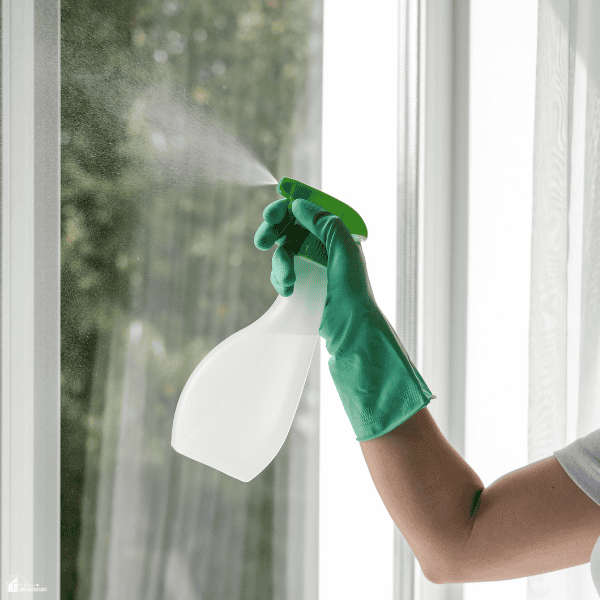
One of the easiest ways to determine whether windows are in good shape is to check for drafts around them. If you notice any cold air during the heating season or warm air flow during the cooling season, you should take notice.
Drafts of this sort are often a sign that the windows are no longer providing proper insulation and should therefore be replaced.
The main causes of drafts include damaged seals, cracks in the window frame, improper installation, and worn and torn older materials.
Although you can try temporary solutions like adding weatherstripping or caulking, replacing the old windows is a good long-term solution that’ll allow you to save money on energy bills.
Sign #2: Rising Costs
Another sign that your windows may be a problem is rising energy bills. As a general rule, drafts lead to increased energy consumption and higher utility bills because your HVAC equipment has to overcompensate to counter the drafty conditions.
The inefficiency causes your HVAC system to consume more energy to heat or cool the premises.
You need to pay special attention to the following changes:
- Rising heating bills during cold seasons
- Higher cooling costs during summer
- High prices for utilities, if you compare them with other houses in your neighborhood
Such changes will be clearly visible from your energy bills — so, all you have to do is look.
Replacing old windows with energy-efficient ones can help prevent further heat loss and provide better thermal protection.
Sign #3: Uneven Temperatures in Various Rooms
It's important to monitor your home’s interior temperature. If you've noticed hot spots or cold zones in some rooms, it's likely connected to the poor insulation.
The problem mostly concerns the following types of rooms:
- Those with older windows
- Those with large windows
- Windows on the upper floors
If there is an uneven spread of temperatures in your home, your HVAC system will have to work harder to maintain a balanced temperature. That will lead to more energy consumption.
Sign #4: Condensation Between the Glass Panes
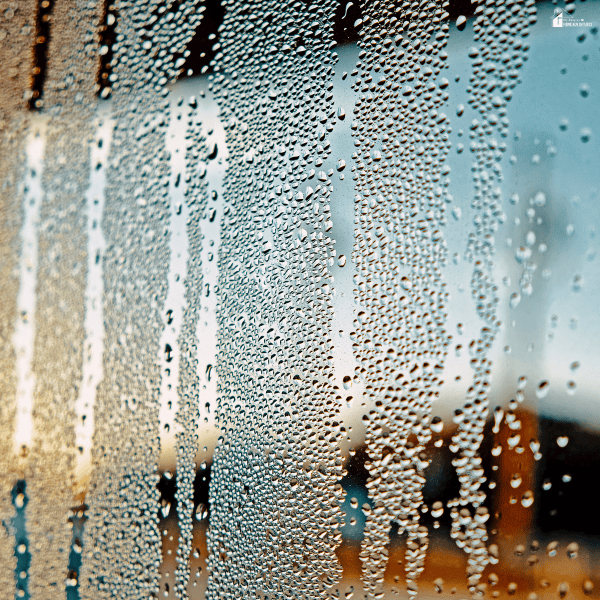
It's normal to have some condensation inside windows because condensation occurs under certain conditions. However, if you see moisture between the glass panes, you should take action, as it indicates a problem with the insulation.
Usually, it happens due to the failure of the double or triple glazing. As soon as the insulating gas is removed, moisture enters the gap and remains there.
Such problems indicate that your windows are losing their energy efficiency, which will negatively impact energy costs.
Unfortunately, the only solution here is to replace the windows that lack insulating gas.
Sign #5: Problems with Window Functionality
Windows that are difficult to open and close due to malformation, broken locks, or inoperable mechanisms can lead to more energy consumption. In addition to being a possible security hazard, windows with functionality won't seal properly.
And that’ll compromise energy efficiency, since your furnace or air conditioner will constantly run to heat or cool your home.
Such problems can easily go unnoticed if you don’t regularly open or close your windows — like during the hot weather months when you want to allow air to circulate.
While you can try to repair the problem, it might be better to replace problematic windows.
Windows play an important role in energy conservation. However, if they’re old or improperly installed, they may lead to higher-than-necessary energy bills that keep rising each month.
So, you need to replace them when the time comes to save money — all while you get the interior comfort you want in your home.