Creating a Structured Home Environment for ADHD
This post may contain affiliate links which might earn us money. Please read my Disclosure and Privacy policies here
Living with ADHD means your brain works a bit differently. A messy house or a chaotic schedule can make things feel much harder than they need to be. Small changes in how you set up your living space can lower stress levels quickly.
You do not need to change everything overnight. Focusing on a few key areas helps everyone in the family feel more in control. A structured home offers a safe spot to rest and focus when the outside world feels too loud.

Setting Up Physical Zones
Separating your house into zones gives your brain a break. One research group suggested making physical cues to separate focus areas from fun digital spaces.
This means keeping phones and tablets away from where you work or sleep. Keeping devices in a different room helps the brain switch to a low-dopamine state.
Organizing Your Living Space
A clean environment reduces the number of distractions you face every hour. One blog post noted that clutter can make it almost impossible for someone with ADHD to focus on a single task.
Clearing away extra items helps create a calm spot that supports your mind. You can start by picking 1 shelf or table to clear each day.
A recent guide mentioned that using colors to mark folders or bins helps keep things organized without adding mental strain. This visual system makes it faster to find what you need without searching through piles. Labels and clear boxes help since they allow you to see where things belong.
Building a Reliable Routine
Structure helps the brain know what comes next in the day. A reliable plan makes things easier, and treatment for ADHD in Melbourne is often a key part of that process. Doctors can offer guidance that pairs well with changes at home.
Parents often notice that children feel more secure when they know the plan for the evening.
Consistent wake-up times and meal times provide a rhythm that reduces daily friction. You might start with a simple morning list that never changes. Small routines build a sense of safety within the house. When everyone knows what to expect, the house runs much more smoothly.
Using Visual Tools and Guides
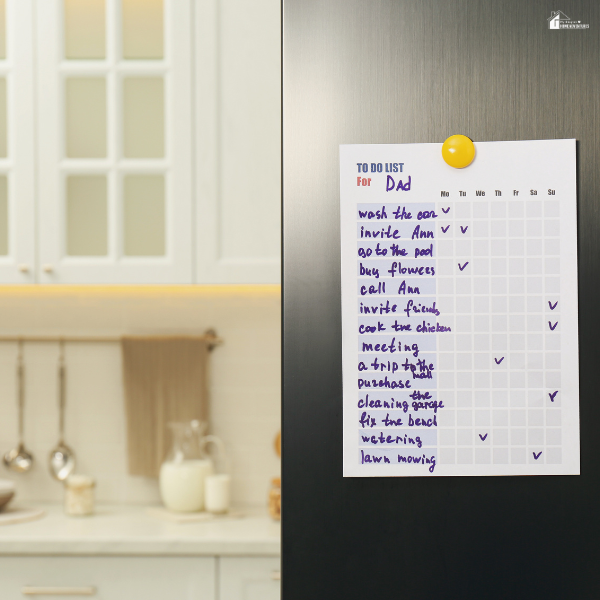
Relying on memory alone can be stressful for people with ADHD. A group focused on learning noted that charts and visual schedules help people see what tasks they have to finish. These aids remind you of what is coming up next in your day without someone needing to nag you.
Memory Aids
A support organization suggested that it is helpful to write down info as soon as you hear it, so you do not have to rely on memory alone. Using a whiteboard in the kitchen can keep the whole family on the same page. You can list the menu for the week or track chores for the kids.
Setting Visual Goals
A school's guide for parents explained that some experts suggest taking photos of a clean bedroom to show what a finished job looks like. This gives a clear goal to reach for during cleaning time. If you know exactly how the room should look, it is easier to put things back in their place.
This removes the guesswork from cleaning up.
Managing Time Every Day
Time blindness makes it hard to know how long a project will take. A professional site recommended using a timer to set short work blocks followed by breaks to prevent people from feeling burnt out. Using the Pomodoro technique helps keep energy levels high throughout the afternoon.
Using Timers
You might work for 25 minutes and then take a 5-minute walk. This pattern keeps the mind fresh and ready to handle more tasks. Using 2 or 3 timers can help you track different parts of your day. It is a simple way to stay on track.
Building Habits
A blog about habits explained that developing a routine takes effort and focus to start, but it turns into a helpful habit. The goal is to do these actions often enough that they feel like second nature. Small wins lead to bigger changes as the weeks pass.
You will feel more confident as you master each new part of your schedule.
Giving Clear Directions
Communication plays a huge role in how a home functions. A report from an ADHD resource center mentioned that incorporating structured daily routines can lead to better emotional regulation. This helps reduce behavioral challenges at home.
A health website noted that giving clear and simple instructions helps everyone stay on track with their chores. Complex lists often lead to confusion or frustration for kids and adults alike.
Try these steps to keep things easy:
- Use short sentences when giving directions.
- Break big tasks into 3 small parts.
- Write the steps down on a sticky note.
- Check in after each part is done.
Building a structured home is a journey that takes patience and practice. With a bit of time, these changes help your home feel like a supportive space where everyone can thrive. You have the power to create an environment that works with your brain.