7 Simple Property Upgrades That Pay For Themselves
This post may contain affiliate links which might earn us money. Please read my Disclosure and Privacy policies here
The large property upgrades worth making are not the ones that look impressive from the road, but rather the ones that stop the property from costing you more every single season.
Fencing, drainage, solar infrastructure, water quality systems, and aeration are all property investments that pay off because they eliminate recurring expenses rather than add new ones.
For anyone managing significant acreage, the math usually favors strategic improvement over deferred maintenance.
The Math Behind Improving What You Already Own
Rural ownership has a way of stacking invisible costs tightly month after month. A rough access road severely damages your primary vehicle suspension across three freezing winters before you connect the repair bills to the driveway.
An unaerated natural water feature slowly drains thousands in liquid chemical treatments every summer while the underlying aquatic biological problems steadily get much worse.
When prioritizing these large permanent updates, securing independent domestic energy and managing natural water features often provide the most immediate relief to monthly household budgets.
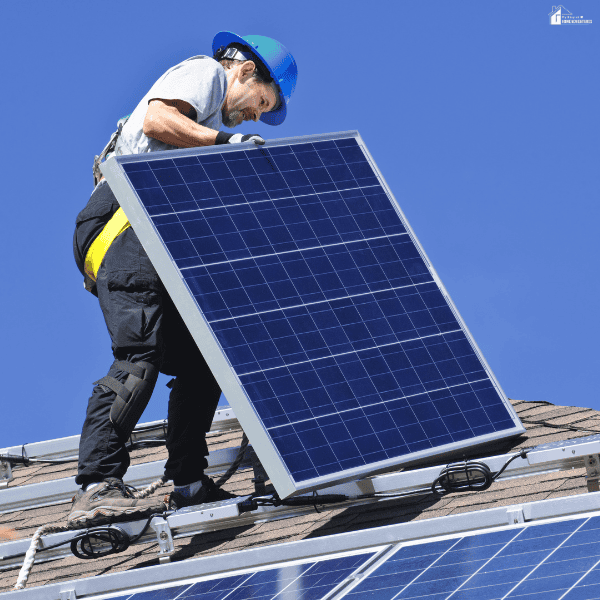
Installing an off-grid solar kit for rural properties from Off-Grid Source secures reliable power for detached outbuildings and critical household backup needs through a single fixed upfront purchase.
Similarly, agricultural chemical treatments drain household funds quickly when water features stagnate during warm months. Investing in a large high-performance pond aerator system from Everblue Pond solves deep oxygen depletion mechanically, halting those expensive liquid chemical invoice cycles entirely.
With heavy utility baselines comprehensively addressed, you can begin shifting funding efficiently toward physical land structure improvements.
1. Perimeter Fencing
Boundary fencing acts as one of the most effective rural homestead improvements because it immediately eliminates unpredictable daily liabilities.
Unsecured perimeters invite frustrating neighbor boundary disputes, allow valuable domestic livestock to wander into aggressive roadside traffic, and create dangerous security gaps that leave expensive farm equipment completely vulnerable.
Each of those isolated chaotic events carries a steep sudden price tag, ranging from minor livestock recovery transport costs to massive legal retainer bills.
Sourcing durable heavy construction materials explicitly determines whether your fencing actually provides long-term financial relief for the household budget. Heavy-gauge galvanized woven field wire securely contains mixed livestock, while smooth, thick, high-tensile wire handles massive acreage perimeters economically without sagging under harsh winter weather.
Quality mechanical installation heavily featuring deeply set wooden corner posts easily outlasts cheaper shallow contractor work by a full residential decade. Utilizing thick pressure-treated subterranean wooden posts entirely prevents invisible underground rot, effectively eliminating the mid-decade total replacement costs that typically undercut your initial family budget savings.
2. Driveway and Access Road Surface
An improperly graded rural access road silently drains your ongoing property budget through accelerated daily primary vehicle wear.
The localized mechanical financial damage rarely shows up as a single recognizable garage invoice, but instead appears as bent steering tie rods, ruined expensive shock absorbers, and severe permanent undercarriage rust.
These highly preventable family vehicle passenger repairs constantly consume thousands of dollars annually if you commute over deeply rutted rural gravel daily.
Repairing the raw dirt access surface professionally ultimately creates a highly stable transit route that securely lasts for over a decade without constant manual tractor intervention.
A correctly built heavy gravel access road rigidly requires a dense compacted dirt sub-base, a high crowned structural centerline for successfully shedding rainwater laterally, and galvanized steel pipe culverts positioned effectively at natural downhill water crossings.
Installing a durable tight layer of heavy commercial geotextile fabric directly beneath the top gravel layer entirely prevents expensive crushed stone from disappearing into soft seasonal mud.
3. Well Inspection and Water Quality System
Scheduling a comprehensive professional well inspection typically costs a few hundred dollars and stands out as a highly critical preventative money-saving property improvement.
Hidden underground bacterial contamination remediation runs well over a thousand dollars, while fine microscopic sand sediment buildup steadily ruins expensive interior household kitchen plumbing fixtures over time.
Chemical fertilizer agricultural runoff from neighboring commercial farming properties rapidly compromises your primary household safe drinking water supply without any discernible visual warning.
Identifying these dangerous unseen fluid threats early strictly requires a complex laboratory phase analysis rather than a casual, uneducated visual glance down the exterior steel casing. Installing a high-capacity heavy commercial filtration system immediately following the detailed test inspection drastically improves your daily family kitchen drinking quality.
Advanced commercial ultraviolet light purification chambers successfully neutralize harmful biological bacterial contaminants, while under-sink reverse osmosis membranes block toxic agricultural heavy metals before they reach the sensitive kitchen tap.
This robust comprehensive water filtration thoroughly protects your indoor water dispensing appliances and completely safeguards local domestic livestock health.
| Important: Skipping a $400 well inspection is the most expensive gamble a rural landowner can make, as it protects against a $1,500 to $5,000 contamination event that can compromise land value and livestock health simultaneously. |
4. Comprehensive Drainage Plan
Poor drainage can cause serious damage across your property. Water can weaken building foundations, wash away valuable topsoil, and damage productive land.
Heavy rainfall can also erode gravel driveways, leading to frequent repairs and replacement. Standing water may damage crops and create muddy, unsafe conditions for livestock.
A well-designed drainage plan helps move water away from buildings and low-lying areas. Professionals achieve this by adjusting ground levels, creating drainage swales, and installing French drains where needed. These improvements protect your property and reduce long-term maintenance costs.
Spending capital aggressively upfront to accurately correct the severe foundational land slope entirely prevents repetitive gravel surface erosion truck repairs.
| Key Insight: A $3,500 drainage upgrade that prevents $4,000 in erosion and foundation damage every two years doesn't just pay for itself; it generates a return in the first repair cycle it prevents, offering the fastest ROI on this list. |
5. Solar Power System
Rural properties often face high electricity costs because they are far from reliable power grids. These expenses can continue to rise over time.
Tractor workshops, irrigation pumps, and household backup systems all require a steady supply of electricity. Together, they place a heavy demand on the property's power system, making reliable and efficient energy solutions even more important.
This continuous high-voltage electrical grid draw aggressively inflates monthly household operating utility expenses indefinitely without any permanent long-term infrastructural resolution.
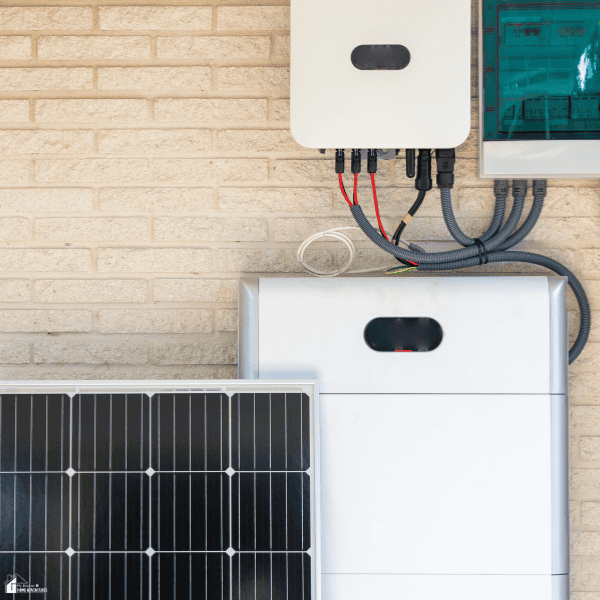
Switching to solar power turns ongoing electricity bills into a one-time investment. A properly sized system provides reliable backup power and helps keep your home running during winter outages.
Choosing the right system size is essential. An undersized setup may not power your household when you need it most.
Modern lithium iron phosphate batteries last much longer than traditional lead-acid batteries. They also handle thousands of charging cycles with minimal performance loss.
Use a solar sizing calculator to match your panels and battery storage to your household's energy needs. This helps you choose the right equipment and avoid costly mistakes during installation.
| Pro Tip: The ROI of a solar system is destroyed by sizing errors, not the technology itself. Start with a calculator to match panel wattage and battery capacity to your loads, eliminating the compatibility risk that derails most DIY builds. |
6. Pond Aeration System
Rural homeowners often realise they need pond aeration after a summer of heavy algae growth. By late July, stagnant water can develop a foul smell. At that point, restoring water quality often requires costly treatment.
Chemical algae treatments can cost hundreds of dollars each summer, even for a modest-sized pond. However, algae are usually a symptom rather than the main problem.
The root cause is often low oxygen levels near the bottom of the pond. Without proper circulation, oxygen disappears from deeper water. This limits the beneficial bacteria that help keep the pond healthy.
A deep-water aeration system pumps air from the bottom of the pond to the surface. This improves circulation and increases oxygen throughout the water. Better water movement helps reduce algae growth naturally without relying on repeated chemical treatments.
7. Productive Orchard or Food Forest Planting
Exterior improvements reduce maintenance and minimise downtime. At the same time, planting edible crops adds long-term value to your property.
Dwarf fruit trees, disease-resistant nut trees, and layered permaculture gardens produce fresh food year after year. These deep-rooted plants provide reliable harvests with less work than seasonal vegetable gardens.
A well-planned half-acre planted during your first year of ownership can help reduce grocery costs. As your trees and plants mature, they produce larger harvests each season. This gives your household a steady supply of fresh produce for cooking.
Success starts with careful planning. Test your soil before planting. Choose fruit and nut varieties that grow well in your local climate and hardiness zone. Give each plant enough space for healthy root and canopy growth.
| Quote: Unlike every other upgrade that reduces costs, an orchard makes land produce value annually. That shift in thinking from acreage as an expense to acreage as a compounding investment is what the best upgrades make possible. |
The Bottom Line
Installing high-efficiency solar power equipment gives your home a reliable backup power source during winter outages. It also reduces dependence on the electrical grid and helps lower long-term energy costs.
A bottom aeration system keeps water moving in deep agricultural ponds. This reduces the need for seasonal chemical treatments and helps improve water quality. Over time, it can also lower maintenance costs.
Upgrading boundary fencing, improving access roads, and installing proper drainage systems protect your property from costly damage. These improvements reduce ongoing maintenance and help prevent expensive repairs in the future.