Time for New Windows? Watch for These Signs
This post may contain affiliate links which might earn us money. Please read my Disclosure and Privacy policies here
You don’t always notice your windows until they start acting like dramatic side characters. One sticks on a humid day. Another lets in a chilly breeze that makes your couch corner feel like a tiny tundra.
If your home has been feeling a little less cozy lately, your windows may be trying to tell you it's time for an upgrade. The good news is you don’t need to be a contractor to spot the clues. A few simple signs can help you figure out when it may be time to make a change.
The First Signs to Watch For
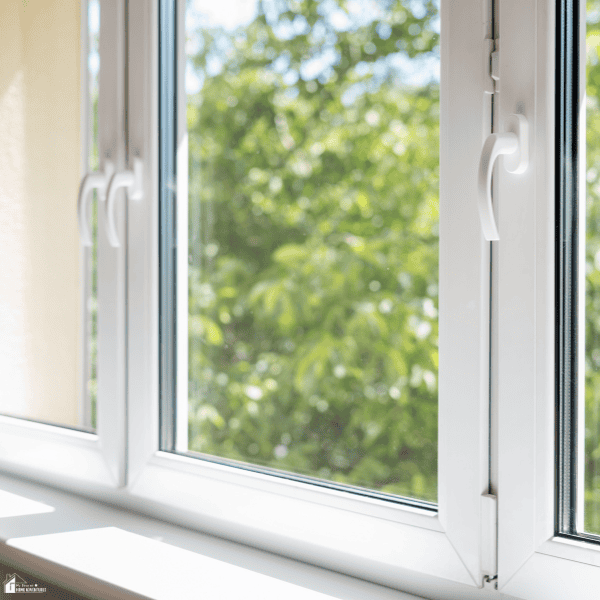
Most people don’t wake up and suddenly think about new windows. It usually starts with small annoyances that keep showing up. Maybe your bedroom window is hard to open, or the one in the kitchen rattles when the wind picks up. Those little things can be early signs that your windows are wearing out.
Another clue is feeling drafts even when all your windows are closed. If you're reaching for a blanket while the heat is running, your windows may no longer be sealing properly. As these comfort issues become more frequent, many homeowners begin exploring window replacement to improve energy efficiency, indoor comfort, and overall performance.
You might also notice condensation, peeling paint near the frame, or windows that just look tired. None of these signs mean disaster is just around the corner. They do mean it’s worth paying attention. Windows should make your home feel protected and easy to live in, not like they’re constantly asking for forgiveness.
Rising Energy Bills
If your energy bills keep creeping up and you haven’t changed much at home, older windows could be part of the story. When windows lose their seal or insulation value, your cooled or heated air can slip out. That means your HVAC system has to work harder just to keep up.
Think about it like trying to fill a bucket with a tiny hole in the bottom. You’re still pouring in water, but some of it keeps escaping. In your home, that escape can show up as rooms that never seem to stay the right temperature no matter how long the system runs.
Summer often makes this issue easier to spot. One room feels stuffy by noon, while another is oddly cool. In winter, the trouble flips. You may find yourself turning the thermostat up, then wondering why the house still feels uneven. If your bills are climbing without a clear reason, your windows deserve a closer look before you blame your poor thermostat for everything.
When Your Home Feels Less Comfortable
Comfort at home is not just about the temperature on the wall. It’s about how each room actually feels when you live in it. Older windows can create hot spots, cold corners, and random drafts that make everyday routines a little more annoying.
You may notice that the couch by the window feels colder than the rest of the room. Or your child’s bedroom gets too warm in the afternoon because the sun beats in for hours. These are the kinds of things that wear on you over time. You start adjusting blinds, moving furniture, or avoiding certain spots altogether.
Noise is another big one. If outside sounds seem extra loud, your windows may not be doing much to buffer street traffic, barking dogs, or the neighbor’s weekend leaf blower marathon. Sun exposure can matter too. Fading curtains, rugs, or furniture can be a sign that your windows aren’t doing enough to help manage harsh light. A home should feel calm and comfortable, not like it’s constantly arguing with the outdoors.
Safety Signs You Shouldn't Ignore
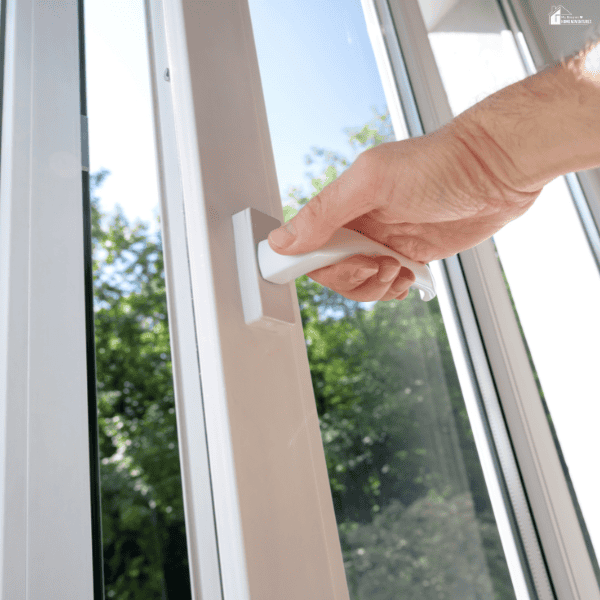
Sometimes the problem isn’t just comfort. It’s safety and peace of mind. Windows that don’t lock properly, frames that feel soft or warped, and glass that shows moisture between panes can all point to bigger issues.
If a window refuses to stay open or won’t close all the way, that’s more than a nuisance. It can become a safety risk, especially in homes with kids or pets. Locks matter too. If they’re loose or no longer line up right, your home may not feel as secure as it should.
Stormy weather can make these issues even more noticeable. In places that deal with strong winds and heavy rain, worn windows can make homeowners more anxious than they need to be. Even without major storms, moisture showing up between panes means the window seal has likely failed.
Once that happens, the window isn’t performing the way it was meant to. Catching these problems early can save you from bigger repairs later, which is always nicer than learning the hard way during a thunderstorm.
When Your Windows Start Looking Outdated
Function matters most, but style gets a vote too. Windows have a big effect on how your home looks from the street and how each room feels inside. If your windows look dated, damaged, or mismatched, they can quietly drag down the whole space.
Inside, older windows may make a room feel dim or tired. Even if your decor is lovely, worn frames and cloudy glass can make everything feel a little less fresh. Natural light has a sneaky way of making a home feel cleaner, brighter, and more inviting.
Outside, windows play a huge role in curb appeal. They can help your home look cared for and current without changing every detail. This doesn’t mean you need to chase trends or turn your house into a magazine spread.
It just means that if your windows look past their prime, updating them can improve both appearance and daily enjoyment. Sometimes the right change isn’t flashy. It just makes your home feel more like itself again.
Planning Your Window Replacement
If several of these signs sound familiar, you don’t have to panic or replace everything at once. A smart approach is to look at which rooms give you the most trouble. Start where drafts, noise, or sticky windows affect daily life the most.
It also helps to think about your goals. Are you mainly trying to improve comfort, lower energy costs, boost safety, or update the look of your home? Your answer can help you decide what matters most and where to put your budget first.
Take note of the windows that are hardest to use, the rooms that feel least comfortable, and any signs of moisture or damage. That simple list can make planning feel much less overwhelming. You don’t need a giant home makeover plan. You just need a clear picture of what’s not working.
When your home keeps dropping these hints, it's worth paying attention before small problems become bigger ones. Windows should help your home stay comfortable, energy efficient, quiet, and secure throughout the year.
If they're no longer doing that job, planning a replacement now can save you money, improve everyday comfort, and give you greater peace of mind for years to come.