How to Choose a Roof That Fits Your Budget and Style
This post may contain affiliate links which might earn us money. Please read my Disclosure and Privacy policies here
You can usually tell when a roof needs fixing before it gets drastic. A few shingles start to curl, the gutters catch gritty granules, and the roofline looks a little less crisp. It is the kind of thing you notice while pulling in groceries or taking out the trash.
Most of the time, the stress comes from wanting two things that feel like they fight each other. The roof has to look right, and the price has to make sense with everything else on the calendar.
That is where Infinity Roofers residential roof installations can help, because seeing how a full install gets scoped, from tear-off to cleanup, makes the style decisions feel lighter when you already understand the process.
A Budget That Feels Real In Everyday Life
A roof quote rarely behaves like a single number, and that is what makes people uneasy. Materials and labor sit up top, and then the “also” costs quietly join in. Tear off, disposal, permits, and little repairs can stack up, even on a simple home.
It helps when the budget starts from real life instead of a perfect spreadsheet. A monthly amount that fits your rhythm, plus a date that feels doable, can turn the project into something steady.
A simple sinking fund tracker keeps the savings target visible while life keeps moving, which makes the whole project feel steadier than a number on a spreadsheet. When the money has a home, the decision pressure usually drops.
Timing matters too, and not in a dramatic way. If the roof has one more season in it, the calendar can open up and the savings can build. A light check each season, using a seasonal home maintenance checklist, can keep small issues from turning into a late night emergency. That kind of routine is not fancy, but it feels calming.
Style Starts With The House, And The Weather Has Opinions
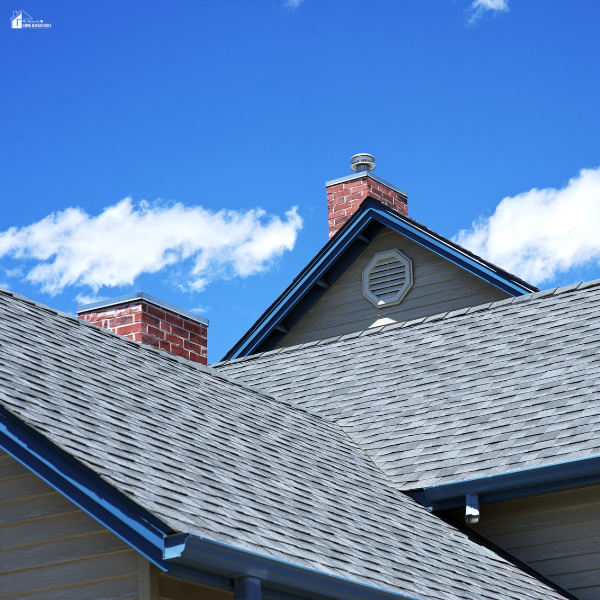
Roof style is personal, but it never lives in a vacuum. The pitch, the valleys, the overhangs, and the way the sun hits the front slope all change what looks “right.” Then the weather shows up and adds its own rules, especially after a few hard seasons.
Homes with tall trees often deal with shade and debris, and that can mean moss or algae in the damp spots. Homes in hot, bright climates see shingles bake and age faster, and dark colors can hold more heat. In windy areas, fastening and edge details become a bigger deal than a photo on a mood board.
Color also affects comfort more than many people think. Light, reflective surfaces can reduce roof surface heat in sunny climates, and that can help some homes feel less stuffy upstairs.
ENERGY STAR breaks down cool roof basics and the terms contractors use to compare products, which helps when quotes start sounding technical and you want to know what you are actually comparing.
Material choices often land in familiar buckets, and each one has a “vibe” plus a maintenance reality. Asphalt shingles feel classic and tend to suit most neighborhoods without drama. Metal can look clean and modern, and it often fits well on simple rooflines.
Tile, slate, and synthetic options can look beautiful too, although weight and structure details may matter more there.
Money Saving Choices That Still Look Good
Most homeowners want a roof that feels like it belongs on the house, and that usually means style is not optional. Still, the price does not have to jump just because the look has personality. A few smart trade offs can keep the roof attractive without raising the bill in every direction.
For example, a standard profile in a better grade can be a sweet spot. The roof still reads the same from the street, but the performance can be stronger in wind and weather. There is also something comforting about a look that does not feel like it will age strangely.
Roof geometry can also drive cost in a way that surprises people. More hips, dormers, and tight corners often mean more labor time and more leak points over the years. That does not mean the house needs to change, but it helps when the quote reflects that reality.
A small list can keep comparisons honest:
- A material that fits local codes and typical weather stress
- Strong flashing details at chimneys, walls, and valleys
- A warranty that feels clear, not confusing or vague
- A color that hides normal aging and mild staining
The National Roofing Contractors Association has a helpful overview of common roof material types and the role of codes and climate. It is the kind of resource that makes contractor conversations feel easier, because the terms start to sound familiar.
It also helps you notice when two quotes are not describing the same system.
The Quiet Details That Keep Water Out
Most roof problems do not start in the middle of a clean shingle field. They usually start where the roof meets something else, and those spots get ignored until the ceiling stain shows up. Chimneys, vents, skylights, valleys, and drip edges are the places where water gets curious.
That is why the “boring” parts deserve attention early. Underlayment, flashing, and sealing choices do not show in listing photos, but they are the difference between a roof that lasts and a roof that nags. When a contractor explains these details clearly, it often signals care in the work.
Decking is another piece that can affect both budget and stress. Rot can hide until tear off begins, and then it becomes a quick decision on the spot. When the quote includes a clear approach for damaged decking, including a per sheet price for replacement, the surprise factor tends to shrink.
No one loves extra costs, but clarity helps you breathe.
Ventilation sits in the same “quiet but important” category. Attics that trap heat and moisture can shorten roof life, and they can make upstairs rooms feel stubborn in summer. Balanced intake and exhaust tends to be the goal, and the details depend on the home.
A straightforward explanation of what is there now, and what could change, makes the choice feel practical.
The Install Experience, And Why It Matters To Your Sanity
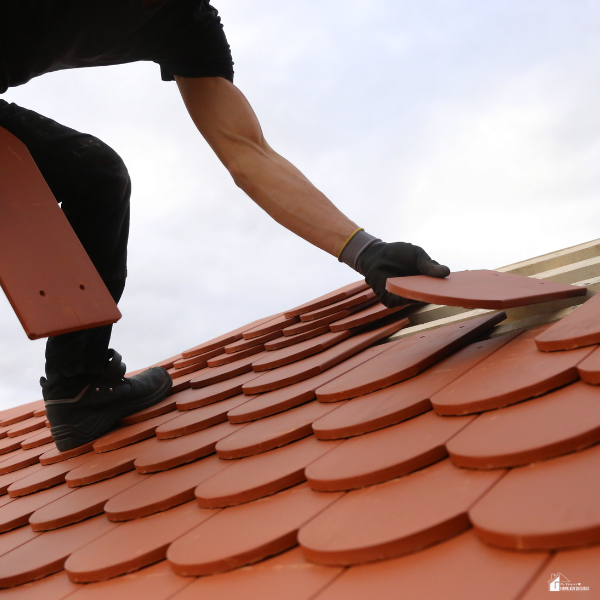
Even with a solid plan, roof work is still loud and messy for a few days. That matters if you work from home, have pets, or simply like your routine. The way the crew handles the lived in parts of your home can affect the whole experience.
Cleanup and protection often make the difference between “annoying” and “totally fine.” Tarps, plywood over plants, and careful staging keep your yard from feeling like a construction zone for weeks. Magnet sweeps for nails sound small, yet they matter a lot when kids play outside or tires roll over the driveway.
Communication also carries more weight than people expect. A clear schedule, a daily check in, and a quick heads up about weather delays can keep things calm. When the person in charge is easy to reach, the work tends to feel less like a mystery.
It also helps when the finish details get treated like part of the job, not an afterthought. Clean lines at edges, neat flashing, and tidy vent placement all affect how the roof looks from the street. Those details sit right at the intersection of budget and style, because they protect the home and they also shape the final look.
A Roof Choice That Feels Steady
A roof decision gets easier when it matches real life and not just a single quote. The budget feels steadier when the timing is clear, and the style feels simpler when materials match the house and weather.
When the hidden details get the respect they deserve, the finished roof tends to look good and behave well. That is the sweet spot, a roof that fits your home, fits your budget, and lets you stop thinking about it.