The Small DIY Fixes That Make Your Home Feel So Much Easier to Live In
This post may contain affiliate links which might earn us money. Please read my Disclosure and Privacy policies here
I used to think DIY meant big projects.
Like repainting rooms, building furniture, or doing those before-and-after transformations you see online that somehow look effortless (but you just know took way more time than they admit).
But the older I get—and the busier life gets—the more I’ve realized it’s not the big projects that make the biggest difference.
It’s the small ones.
The ones you put off because they seem minor. The ones that take 20 minutes but somehow sit on your mental list for weeks. The ones that quietly annoy you every single day until you finally deal with them.
And then when you do? You wonder why you didn’t just do it sooner.

The Drawer That Almost Broke Me
I’ll start with something ridiculously simple.
We had a kitchen drawer that stuck every time you tried to open it. Not completely jammed—just enough resistance to be annoying.
So every day, multiple times a day, I’d pull it open with a bit of extra force, slightly irritated, but not enough to actually fix it.
This went on for… longer than I’d like to admit.
One afternoon, I finally emptied it, checked the runners, tightened a couple of screws, adjusted how it was sitting—and that was it. Fixed.
It took maybe 15 minutes.
And yet, I’d been dealing with that tiny frustration every single day.
That was kind of a turning point for me. Not because of the drawer itself, but because it made me realize how many small things like that exist in a home.
The “I’ll Do It Later” List Is Longer Than You Think
Once you start noticing, you can’t unsee it.
- A loose door handle
- A cupboard that doesn’t close properly
- A shelf that’s slightly uneven
- A light that flickers occasionally
None of it feels urgent. But together? It adds this low-level background stress to your home.
You don’t always notice it consciously—but it’s there.
I started tackling these things one by one, whenever I had a bit of time. No big plan. No dedicated “DIY day.”
Just… fixing things as I go.
And slowly, the house started to feel easier to live in.
You Don’t Need to Know Everything (You Just Need to Try)
One thing that used to stop me from doing small DIY jobs was not knowing exactly what I was doing.
I’d think, what if I make it worse? or I should probably look this up properly first.
And sometimes that’s true—some things are better left to professionals.
But a lot of the time, the fix is simpler than you expect.
We live in a time where you can find an explanation for almost anything. Whether it’s watching a quick tutorial, reading through product specs, or even browsing sites like xcitetech.com to understand how certain tools or systems work, there’s so much information out there that makes DIY feel less intimidating.
You don’t need to become an expert—you just need to be willing to give it a go.
The Tools You Actually Use (Not the Ones You Think You Need)
For a long time, I thought I needed a full, perfect toolkit before I could properly handle DIY tasks.
Turns out… not really.
There are a handful of tools I reach for again and again:
- A decent screwdriver set
- A hammer
- Measuring tape
- Adjustable wrench
- A level (which I somehow lived without for years)
That’s it.
You don’t need everything. Just the basics that cover most small fixes.
And more importantly, tools you can find easily and feel comfortable using.
Creating Systems That Save You Effort Later
One of the most helpful shifts I’ve made is thinking less about “fixing problems” and more about creating systems that prevent them.
For example:
Instead of constantly dealing with clutter in one area, I added simple storage that actually made sense for how we use the space.
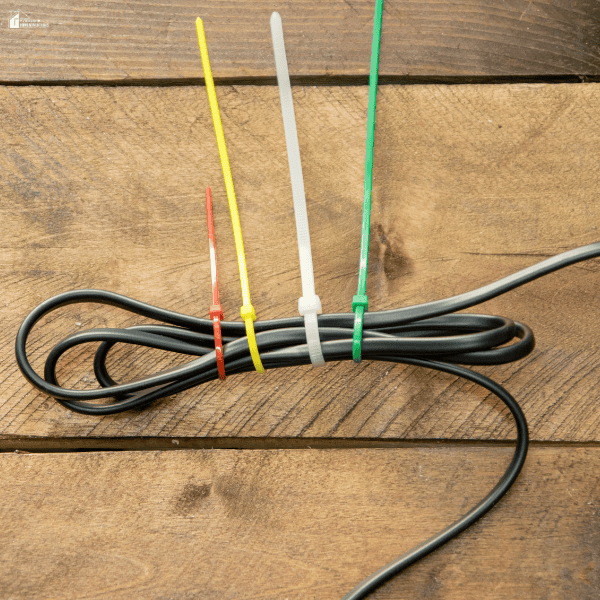
Instead of letting cables pile up and tangle (which always turns into a mess), I organized them once properly—and now it stays manageable.
It reminded me a bit of how things work in more structured environments, like warehouses or workplaces. There’s always a system behind how things are stored, moved, and managed.
Even companies like HCR Personnel Solutions, which deal with staffing and logistics, rely on organized systems to keep everything running smoothly. And while home life is obviously very different, the idea still applies—things work better when there’s a simple system in place.
The Projects That Make the Biggest Difference
Not all DIY jobs are equal.
Some look impressive but don’t actually change much in your day-to-day life.
Others are small, almost invisible—but make everything easier.
The ones that made the biggest difference for me were things like:
- Fixing storage so it actually works for how we live
- Adjusting doors and drawers so they open smoothly
- Adding hooks or shelves in places we naturally drop things
- Improving lighting in darker areas
None of these are “wow” projects. But they remove friction from your day.
And that adds up quickly.
The Random Rabbit Hole That Made Me Think Differently
This is going to sound slightly unrelated—but it stuck with me.
I once ended up reading about industrial systems—specifically things like the best palletizing equipment used in warehouses to organize and move products efficiently.
And while it’s obviously on a completely different scale, it made me think about how much easier things are when there’s a system behind them.
Everything has a place. Everything moves logically. Nothing is left to pile up randomly.
And at home, we often do the opposite.
We put things wherever there’s space in the moment, deal with it later, and then wonder why everything feels cluttered or chaotic.
That little realization made me more intentional about how I organize things—even in simple ways.
The 20-Minute Rule
One habit that’s worked really well for me is setting a 20-minute limit.
If I notice a small project or fix, I’ll tell myself: just spend 20 minutes on it.
No pressure to finish everything. Just start.
Most of the time, one of two things happens:
- I finish it within that time
- Or I make enough progress that it’s easy to come back to later
Either way, it’s better than leaving it untouched for weeks.

Letting Go of “Perfect” Results
This one matters more than you’d think.
A lot of people avoid DIY because they want the end result to look perfect.
But honestly? Most things don’t need to be perfect—they just need to work.
That shelf doesn’t need to look like it came from a showroom.
That repair doesn’t need to be invisible.
That organization system doesn’t need to look aesthetic.
If it works and makes your life easier, it’s good enough.
And usually, it still looks better than before anyway.
When to Call It (and Ask for Help)
Of course, not everything should be a DIY job.
There are times when it makes more sense to step back and get help—especially with anything involving electrical work, plumbing issues beyond the basics, or structural changes.
The difference now is I’m better at knowing which is which.
Small fixes? I’ll try.
Bigger risks? I won’t guess.
That balance has saved both time and money.
A Home That Works With You
At the end of the day, all of this comes back to one thing:
Your home should make your life easier—not harder.
It shouldn’t feel like a constant list of things that need attention. It shouldn’t quietly frustrate you throughout the day.
And getting there doesn’t require massive projects or endless effort.
It’s the small things:
- Fixing what’s slightly broken
- Adjusting what doesn’t quite work
- Creating simple systems that fit your daily life
Nothing dramatic. Nothing overwhelming.
Just small, steady improvements that make your home feel calmer, smoother, and a lot more enjoyable to live in.
And once you start doing it, it becomes second nature.
You notice things sooner. You fix them quicker. And your home slowly turns into a place that actually supports your day instead of adding to it.