The Quiet Ways I Started Saving Money (Without Turning Life Into a Budget Spreadsheet)
This post may contain affiliate links which might earn us money. Please read my Disclosure and Privacy policies here
I used to think saving money had to feel intense.
Like spreadsheets, strict budgets, cutting out anything fun, and constantly thinking about what you shouldn’t be spending. And for a while, I tried to do it that way… and it just didn’t stick.
It felt restrictive. A bit miserable, if I’m honest.
These days, I approach money in a completely different way. It’s a lot less about rules and a lot more about small, everyday decisions that don’t feel like a big deal in the moment—but add up over time.
Nothing extreme. Nothing unrealistic. Just things that quietly make life a bit easier financially.

I Stopped Trying to Be “Perfect” With Money
This was probably the biggest shift.
I used to have this all-or-nothing mindset—like if I wasn’t budgeting perfectly, tracking everything, and saving a set amount every month, then I was doing it wrong.
But real life doesn’t really work like that.
There are busy months, unexpected expenses, birthdays, school things, random costs you didn’t see coming… and trying to control all of it perfectly just made me feel behind.
Now I focus more on being consistent than being perfect.
If I save something, that’s a win.
If I make a better choice than I would have before, that counts.
It sounds simple, but it takes the pressure off—and that’s what actually makes it sustainable.
The Small Swaps That Don’t Feel Like Sacrifices
One thing that’s worked really well for me is making small swaps instead of big cuts.
Instead of asking, “What do I need to stop buying?” I started asking, “Is there a slightly better option here?”
For example, I still buy things I enjoy—but I’m a bit more thoughtful about it.
I remember looking at jewelry recently and realizing I didn’t need loads of different pieces. Just a few that I actually wear all the time. Simple things, like stud earrings, that go with everything and don’t sit forgotten in a drawer.
That kind of shift—buying less, but choosing better—has saved me more than I expected.
And it doesn’t feel like I’m missing out.
I Pay More Attention to the “Invisible” Spending
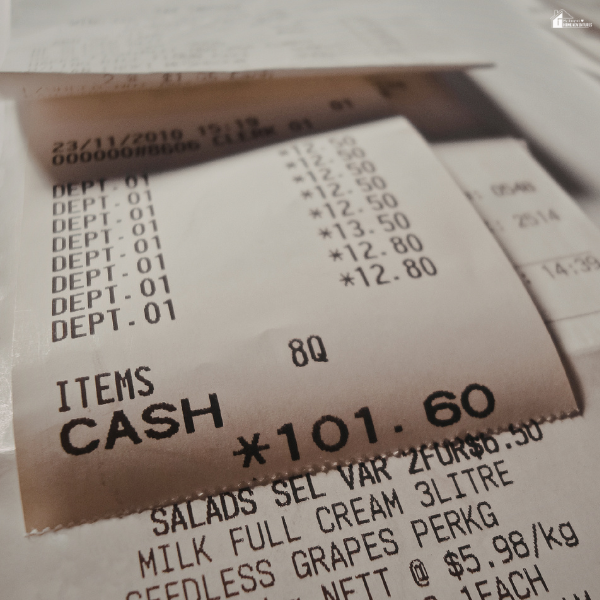
It’s not usually the big purchases that get you—it’s the small, regular ones you barely notice.
A few extra things at the shop.
Subscriptions you forgot about.
Little impulse buys that feel harmless in the moment.
None of them seem like a problem on their own, but together, they add up quickly.
I didn’t go full tracking mode, but I did start paying attention.
Noticing patterns.
Catching habits.
Asking myself, “Do I actually need this, or is it just easy to say yes right now?”
Even that small pause has made a difference.
Thinking About the “What Ifs” (Without Overthinking Them)
This is something I avoided for a long time.
Planning for the future always felt overwhelming, especially things like insurance, savings, and long-term security. It’s not exactly the most exciting topic.
But ignoring it doesn’t make it go away.
At some point, I realized it’s less stressful to understand your options than to keep putting it off. Even just having a conversation with a life insurance broker can give you a clearer picture of what’s realistic for your situation.
You don’t have to commit to anything straight away—it’s more about knowing what’s out there so you’re not caught off guard later.
And once it’s done (or at least started), it’s one less thing sitting in the back of your mind.

The “Use What You Have” Phase
I went through a phase where I made a real effort to use what we already had before buying more.
Food in the cupboards.
Clothes we’d forgotten about.
Random household items that could still be useful.
It sounds obvious, but it’s surprisingly easy to keep buying things without fully using what’s already there.
That one habit alone cut down spending more than I expected.
And it made me realize how much we already have—it just wasn’t being used properly.
Being More Intentional With “Fun” Spending
I don’t believe in cutting out all fun spending. That usually just leads to frustration and giving up.
But I have become more intentional about it.
Instead of lots of small, forgettable purchases, I’d rather spend on things we’ll actually enjoy or use properly.
That might be a day out, something for the house that makes life easier, or even a hobby.
I remember looking into outdoor activities at one point and came across things like affordable crossbows—not something I’d normally think about, but it made me realize how many hobbies are out there that don’t have to cost a fortune to get started.
It’s not about what you choose—it’s about choosing something that actually adds value to your life, instead of just filling a moment.
The “Good Enough” Budget
I don’t have a perfect budget.
I don’t track every single expense or categorize everything neatly.
What I do have is a rough idea of what’s coming in, what’s going out, and what I’d like to save.
And honestly? That’s enough.
I check in regularly, adjust when needed, and try to stay aware—but I don’t let it take over.
Because the goal isn’t to manage money perfectly. It’s to feel in control of it.
Letting Go of Guilt Around Money
This one took a while.
I used to feel guilty about spending, even when it was on things we needed or genuinely enjoyed.
But constantly feeling guilty doesn’t actually help—it just makes money feel stressful.
Now I try to keep things balanced.
Be mindful, but not restrictive.
Be aware, but not obsessive.
If something fits within what we can afford and it adds value to our life, that’s okay.
The Things That Actually Made the Biggest Difference
Looking back, the things that helped the most weren’t big, dramatic changes.
They were small, steady habits:
- Paying attention to everyday spending
- Choosing quality over quantity
- Using what we already have
- Thinking a bit more long-term
- Letting go of perfection
None of it is complicated, but together, it adds up.
Money Should Make Life Easier—Not Harder
I think that’s what it comes down to.
Money isn’t just about saving or spending—it’s about how your life feels day to day.
Less stress.
More flexibility.
Fewer “surprises” that throw everything off.
And you don’t need a perfect system to get there.
Just small changes that fit into your real life.
It Doesn’t Have to Be All or Nothing
If you take anything from this, let it be this—you don’t have to overhaul everything to make progress.
You don’t need a strict plan or a perfect routine.
Just start small.
Notice where your money is going.
Make one better choice here and there.
Give yourself a bit of breathing room.
That’s how it builds.
Quietly, gradually… in a way that actually lasts.