9 Reasons Pet Adoption Continues Gaining Popularity Across Communities
This post may contain affiliate links which might earn us money. Please read my Disclosure and Privacy policies here
Adopting a pet has moved from a niche choice to a mainstream norm. Across big cities and small towns, more people are meeting their future companions at shelters or rescue events. The draw is simple – adoption blends heart, value, and community impact in one decision.
This article looks at why adoption keeps rising and how it benefits households of all kinds. You will find practical reasons alongside human stories, from health gains to smarter tech tools. If you are curious about the trend, these 9 angles make the picture clear.
Health and Wellbeing Benefits for Humans
Living with a pet often nudges people into more daily movement and play. That steady routine can calm stress and give structure to long days for remote workers or retirees. Many adopters say their pet becomes a gentle reminder to step outside and breathe.
Public health guidance highlights simple activities like walking or tossing a toy as helpful for cardiovascular health. It notes links to lower blood pressure, healthier cholesterol, and improved triglyceride levels. Small moments add up when they happen every day.
Emotional health matters too. Pets offer steady company, reduce social isolation, and spark friendly chats with neighbors. That mix of connection and care supports mental balance and makes ordinary days feel more manageable.
Lower Cost Of Ownership And Upfront Savings
Adoption fees are typically modest compared with breeder prices, and they often include initial vet checks or vaccinations. That bundle can shrink the surprise costs that worry first-time owners. It also makes bringing a pet home feel financially doable.
Households watching their budgets appreciate predictability. The starter kit from a shelter – basic exams, microchipping, or spay-neuter services – keeps first-month costs in check. People know where their money is going and what remains to plan for.
Savings continue when owners invest in preventive care and smart routines. Regular feeding schedules, enrichment toys, and daily exercise can reduce avoidable vet visits. Over a year, simple planning can mean fewer surprises and more peace of mind.
Financial Planning And Everyday Budget Fit
Many adopters approach pet care like any other budget line. They plan for dog food, routine vet visits, and a small emergency cushion. That plan removes stress and keeps care consistent.
Before you dive into numbers, picture what a normal week with a pet looks like. If you want a simple overview, start by exploring why you should adopt a pet to see how costs and benefits align with daily life. Once families chart the basics, the choice tends to feel comfortable.
Small habits make a big difference: setting auto-delivery for food, scheduling appointments early, and rotating toys to keep interest high. Over a year, those choices keep both costs and expectations steady.
Community Connection And Volunteer Culture
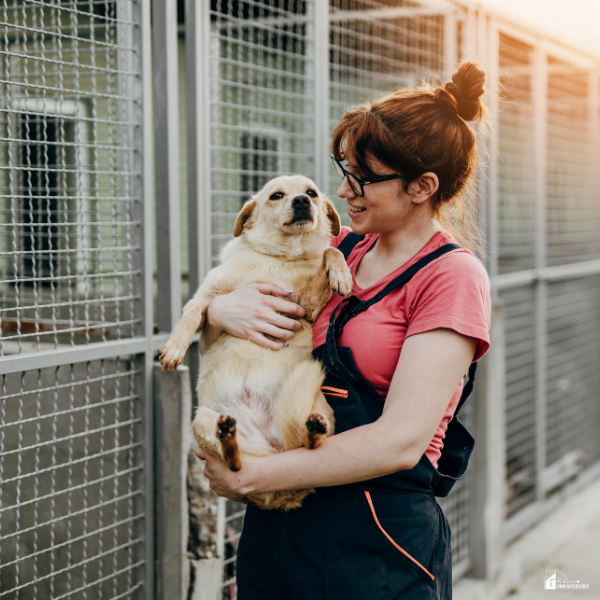
Adoption thrives where community ties are strong. Local shelters depend on volunteers to walk dogs, socialize cats, and set up weekend events. These neighbors become matchmakers who know each animal’s quirks and each family’s hopes.
That friendly network builds trust. When a volunteer explains a shy dog’s progress or a kitten’s favorite toy, people listen. Real conversations beat polished ads because they are grounded in daily care and honest observations.
Community pride grows as adopted pets show up at parks, patios, and school fundraisers. One success story leads to another, and soon adoption becomes the default suggestion. People love to say, You should meet the shelter team – they’ll help you find the right fit.
Ethical Considerations And Shelter Impact
Many people choose adoption to make a direct difference. Bringing home a pet opens a space for the next animal in need. That simple act turns into a ripple effect across the local system.
Adopters value transparency. Shelters share health notes, behavior observations, and what a pet has already learned. Knowing the full story builds trust and encourages patient, compassionate care.
The ethical piece goes beyond a single choice. It is about seeing pets as individuals and committing to their long-term well-being. When more families adopt, communities invest more in humane practices and support.
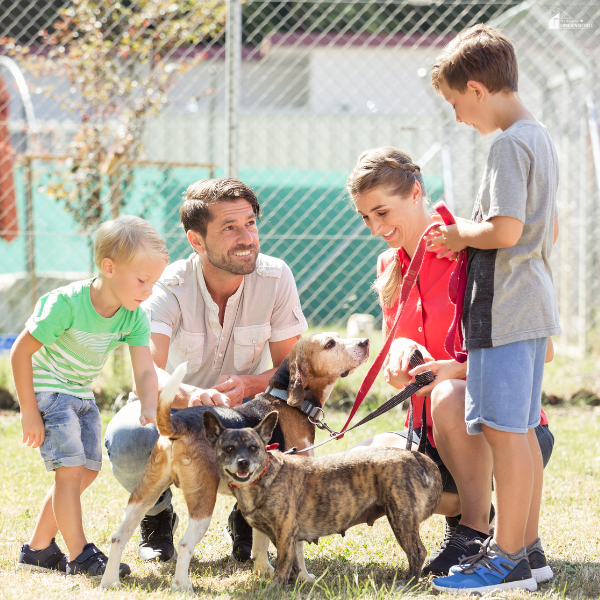
Fostering, Trial Periods, And Matchmaking
Fostering lets people test routines without a long commitment. A week or two shows whether a pet is comfortable with stairs, traffic sounds, or apartment life. Foster notes, then guide a perfect match.
Some groups offer trial adoption periods. Families bring a pet home, get real-world feedback, and decide together. The goal is a stable, happy placement where everyone feels ready.
Matchmaking has become more thoughtful, too. Staff and volunteers look at energy levels, schedules, and even neighborhood vibe. The result is fewer returns and more long-term joy.
Responsible Ownership Resources Are Easier To Find
It is simpler than ever to learn the basics. Short videos explain leash skills, litter box placement, and calm introductions with kids. Bite-sized guides make it easy to practice a little each day.
Local networks help people find trusted trainers and clinics. A warm handoff can prevent confusion and reduce stress. When owners know where to turn, small bumps do not derail the bond.
Here are practical checks many adopters use:
- Create a simple routine for feeding, exercise, and sleep.
- Set a monthly budget for food, preventive meds, and grooming.
- Keep a go-bag with treats, waste bags, and a spare leash for outings.
Safer Homes Through Preparation And Pet-Proofing
Preparation is a sign of care, not worry. People secure trash lids, hide cords, and block tricky stair gaps. A few changes make the first week smoother for everyone.
Families set up calm zones with beds or crates. Quiet spaces help pets settle during storms or house guests. With a safe retreat, new noises feel less scary.
Owners share checklists with friends and neighbors, too. That community plan covers pet sitters, emergency contacts, and ID updates. When everyone is prepared, homes feel safer.
Everyday Joy, Play, And Enrichment
Daily play keeps pets curious and content. Short training games build focus and manners, even in small apartments. Tossing, tugging, and scent games turn ordinary rooms into adventure zones.
Enrichment is about variety more than price. Cardboard puzzles, frozen treats, and rotated toys keep things fresh. A little creativity stretches both budgets and attention spans.
Quick ideas many adopters love:
- Scatter-feed part of a meal to encourage sniffing and foraging.
- Try 10 minutes of leash walking with calm stops at corners.
- Teach a simple trick each week to build confidence.
These trends show why adoption fits so many households. It blends care, community, and common sense. When people see clear steps and real support, saying yes becomes easier.
Pets give back in small, steady ways. They pull us into the moment, help us move, and connect us with neighbors. If adoption is on your mind, you now have a map for what works and why it lasts.