Beyond Curb Appeal: How to Keep Your Home Exterior Strong and Well-Maintained
This post may contain affiliate links which might earn us money. Please read my Disclosure and Privacy policies here
A house is judged from the street, but it is tested from the outside in. Every wall, window, joint, and surface stands between your family and whatever the weather decides to do that week.
Most homeowners in Louisville think about the exterior only when something looks wrong, and by then the repair is usually larger and more expensive than it needed to be.
Curb appeal matters, but it is a result rather than a goal. A house that is genuinely well maintained tends to look good without much effort, because nothing has been allowed to rot, warp, stain, or come loose.
The habits behind that are simple, inexpensive, and easy to build into an ordinary year.
Where Exterior Trouble Usually Begins
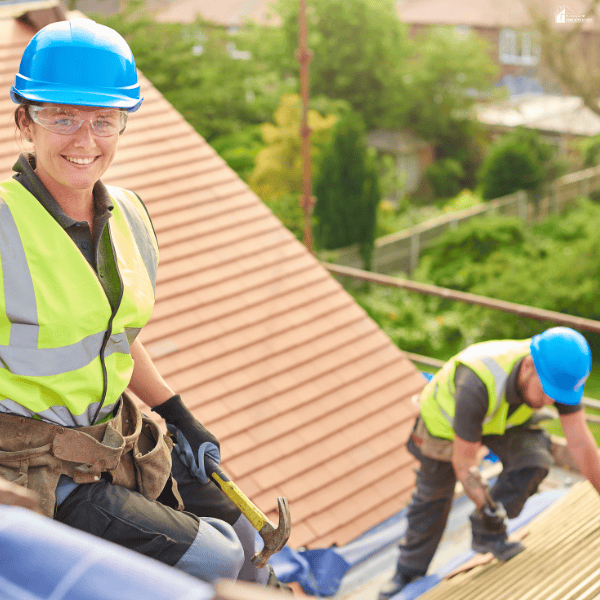
Most homes give plenty of warning before a serious problem appears, but the signs tend to sit in the places people look at least. The roof and the gutters take the worst of the wind, heat, and heavy rain, and once they begin to fail, the damage travels quietly into the walls, the ceilings, and the soil around the house.
A qualified roofing and gutter company can catch that kind of trouble early and repair it properly, instead of leaving it to spread through another season.
If anything above your head looks worn, stained, or out of shape, get in touch with We Nailed It Roofing & Gutters in Louisville and have it looked at before the next storm arrives.
Walls and Siding Deserve a Closer Look
The outer walls carry more weather than any other vertical surface on the property, and they show wear in small ways first. Look for boards that have pulled away slightly at the ends, seams that have opened, soft patches near the base, and dark streaks that return after every wash.
Brick and stone tend to fail at the joints rather than in the material itself, so crumbling or powdery mortar is worth attention even when the wall looks solid. Walk the full perimeter twice a year, once after winter and once before it, and take photographs as you go.
Comparing images from one year to the next will tell you far more than memory ever will.
Windows and Doors Do Quiet, Constant Work
Windows and doors are the busiest openings in the building, and they take punishment from both sides. Warm air pushes out in winter, cool air escapes in summer, and rain works its way into any gap that opens along the frame.
Check the seals by running your hand around the edges on a windy day. If you feel a draft, the seal has failed somewhere.
Look for peeling paint on sills, condensation trapped between panes, and hinges that have begun to sag under their own weight. A door that scrapes the frame is rarely just a nuisance. It usually means the frame itself has shifted, and that points to a moisture problem underneath.
Water Needs a Clear Path Away From the House
Water causes more damage to homes than any other natural force, and it almost always does so by sitting where it should not. The ground should slope gently away from the walls on every side, dropping a few inches over the first several feet.
Over the years, soil settles and flattens out, and the slope disappears without anyone noticing. Watch the yard during a heavy rain and mark the places where puddles form near the building.
Low spots can be filled and regraded, and paved surfaces can be adjusted so runoff heads toward the street rather than back toward the foundation. Fixing the ground is cheaper than fixing what the ground ruins.
Paint and Finishes Are Protection First
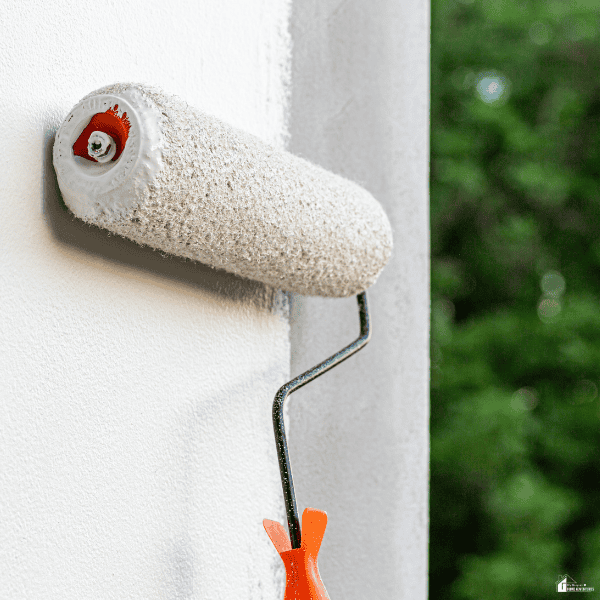
Paint, stain, and sealant do more than improve a home’s appearance. They protect porous surfaces from moisture. Once a finish cracks or flakes, rainwater can soak into the material beneath it. Over time, that moisture can cause further damage.
South and west-facing walls take the most sun and will always need recoating before the rest. Wash surfaces before applying anything new, allow them to dry completely, and never paint over a soft or swollen area. Repairing the material first costs a little more on the day and saves a full replacement later.
Driveways, Walkways and Steps Wear Down Slowly
Hard surfaces around the house fail gradually, which is exactly why they are ignored for so long. Small cracks fill with water, the water freezes and expands, and the crack becomes a split. Steps loosen, edges break away, and eventually the surface becomes both an eyesore and a hazard.
Seal cracks while they are narrow. Level any slab that starts to tilt toward the house. Clear weeds and packed soil from joints.
These exterior tasks are simple to handle early. Leave them too long, and repairs can become expensive.
When It Makes Sense to Bring In a Professional
Plenty of exterior maintenance is well within reach of a careful homeowner, but some of it is not. Anything that requires height, structural judgment, or specialized equipment is worth handing over to someone trained for it.
The same applies whenever you find damage and cannot tell how far it extends, because guessing at the scale of a problem is how small repairs turn into large ones. A professional inspection also gives you documentation, which is useful for insurance and essential if you ever sell.
Paying for expertise once is almost always cheaper than paying twice for the same repair.
Small Habits Build a Strong Exterior
A well-maintained home comes from regular attention, not one big effort. Walk around your property and look for changes. Fix small issues before they grow. These simple checks cost little, while neglect can lead to expensive repairs.
Take care of your home’s exterior, and curb appeal will follow. A sound, well-kept house looks good because you’ve cared for it.