A Kitchen Reset That Saves Water and Keeps Weeknight Meals on Track
This post may contain affiliate links which might earn us money. Please read my Disclosure and Privacy policies here
A busy kitchen can look tidy while small problems gather out of sight. A tap drips after it has been turned off, the sink takes longer to empty, or a damp patch appears beneath the dishwasher. None of these necessarily stops dinner tonight, which makes them easy to put off until another busy week has passed.
For a household in Hawthorn, Melbourne, a short kitchen reset can make meal preparation easier while bringing those changes to light. It does not require a renovation or an elaborate cleaning schedule. The idea is to give the areas used every day a little attention before they cause a bigger interruption.
Clear the Sink Before Planning the Menu
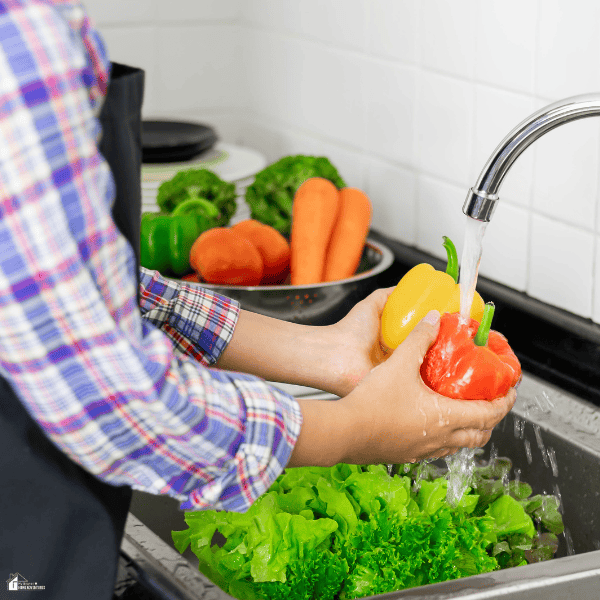
Meal planning usually starts with the fridge and pantry, but the sink deserves a look too. If it is full of dishes or draining slowly, washing vegetables and cleaning up after dinner will take longer than expected. Clear the bench and empty the sink before deciding what to cook for the next few days.
Notice how the water drains during that first wash-up. A sink that empties slowly once may have a simple explanation, but a recurring blockage is worth recording, especially if it comes with gurgling or an unpleasant smell.
Avoid pouring cooking oil or fat down the drain after preparing meals. Let it cool and dispose of it appropriately instead.
A clear sink also makes it easier to see whether a tap keeps dripping after use. That small observation is more useful than discovering a wet bench the next morning and wondering when the problem began.
Make the Cupboard Beneath the Sink Useful
The cupboard under the kitchen sink often becomes a home for spare sponges, cleaning products and bags that have nowhere else to go. When it is packed tightly, a slow leak can remain hidden behind everything stored there.
Taking a few minutes to clear the cupboard makes both the storage and the pipework easier to see.
Remove the contents, wipe the base and check for swelling, staining or a persistent musty smell. Look at the visible connections without loosening anything. If the cupboard is dry, put back only what the household uses, leaving enough space to notice a change during future checks.
If you find moisture, dry the area and see whether it returns. A photograph and a note about when you found it can help explain the problem later. Do not assume that water beneath the sink is always coming from the same place; the tap, supply connections and waste pipe all need to be considered.
Know When a Kitchen Fault Needs Help
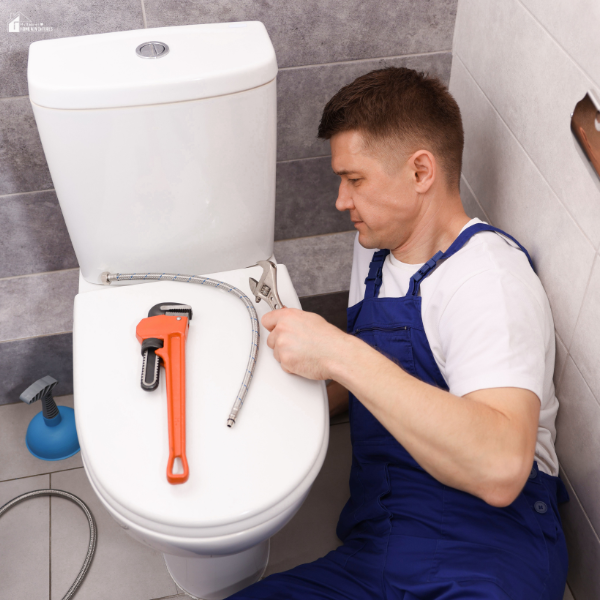
A reset is a chance to spot a problem, not a reason to take the plumbing apart. If water keeps appearing in the cupboard, the drain repeatedly backs up or the tap cannot be shut off properly, arrange an assessment before the fault starts dictating the household’s plans.
A homeowner searching for plumber Hawthorn, Melbourne may come across Lexity, which lists tap repairs, blocked drains and leak detection among its Hawthorn services. Its local page also covers hot water work, useful context if the problem affects more than the kitchen sink.
When booking, describe what you have observed rather than guessing at the cause. Say whether the drain is slow every day or only after the dishwasher runs, and whether moisture appears while the tap is on or when the sink is empty. Those details give the plumber a better starting point.
Use Less Water During Everyday Prep
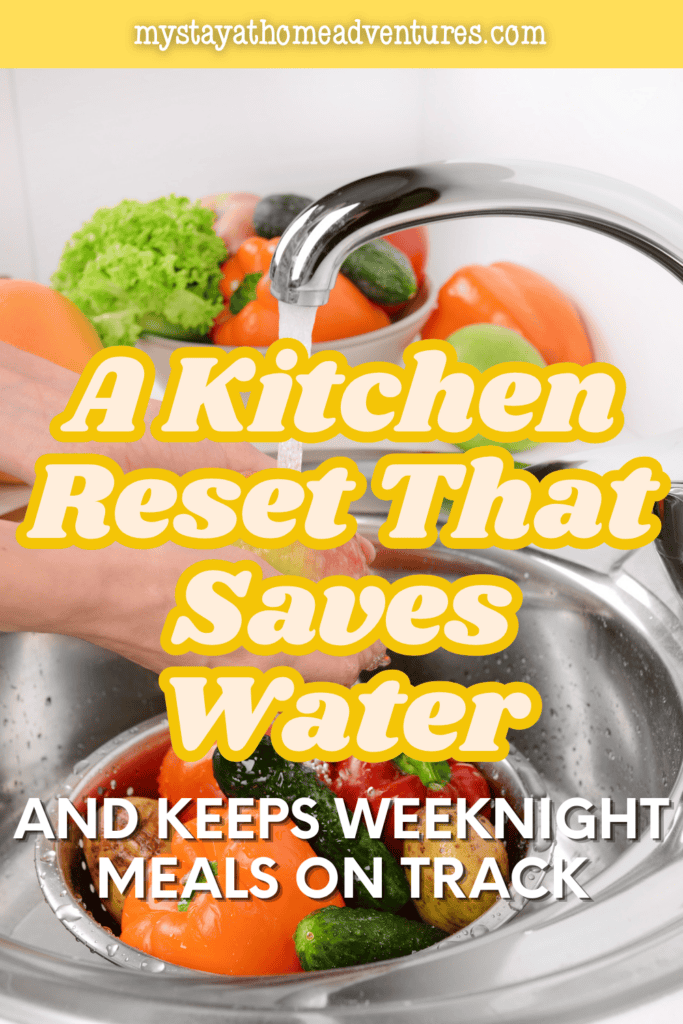
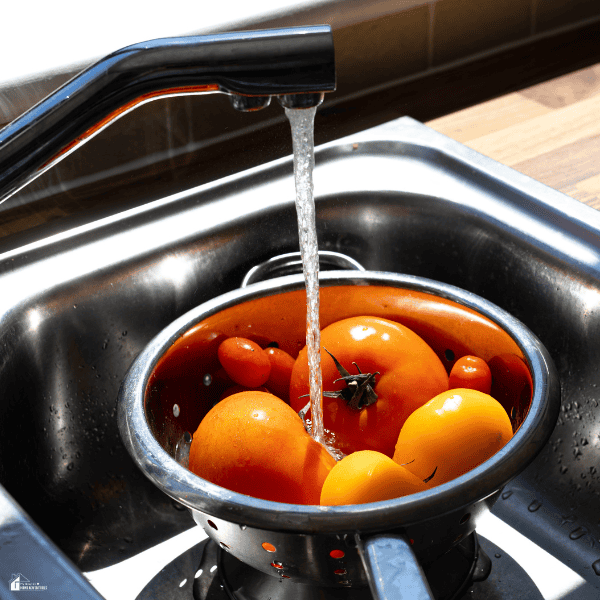
Once the kitchen is working properly, small changes in routine can help avoid waste. Melbourne Water suggests scraping plates instead of rinsing them before loading the dishwasher. It also recommends placing a plug or container in the sink when washing fruit, preparing vegetables or doing the dishes.
These habits fit easily into weeknight cooking. Keep a bowl in the sink while rinsing vegetables, turn off the tap between tasks and run the dishwasher when there is a suitable load. The aim is a kitchen routine the household can keep up when everyone is tired and dinner needs to be quick.
Water use can also offer a clue that something has changed. If a tap starts dripping again after a repair or the cupboard develops a new damp patch, put it back on the household’s to-do list. A useful reset is one that makes changes noticeable, not one that depends on remembering a perfect checklist.
Give Cleaning Products a Proper Place
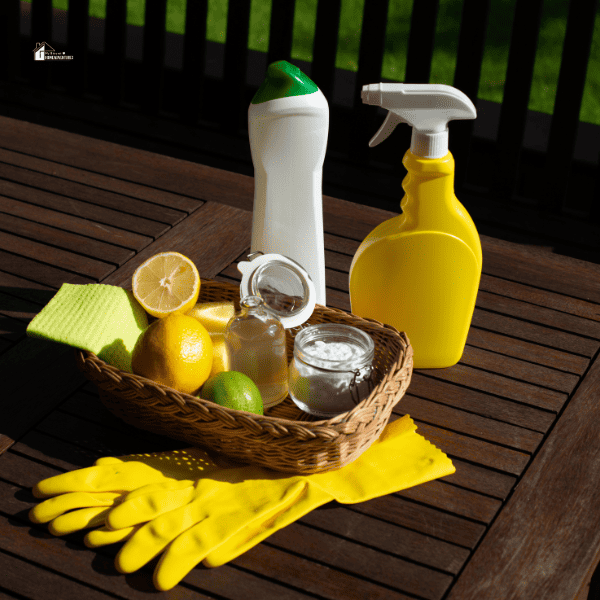
Kitchen organisation helps most when it makes daily work easier. Keep frequently used cloths and cleaning products where they are easy to reach, but avoid filling every centimetre beneath the sink. A small tray can keep bottles together and make it simpler to lift them out for a quick look at the cupboard base.
Check labels before using products on benchtops, cabinets or fittings. A strong cleaner is not automatically the best choice for every surface, and using several products for the same job adds clutter without making the kitchen easier to maintain.
Keep the supplies that suit the room and store them safely away from food.
It is also worth giving damp cloths somewhere to dry. Leaving them bunched beside the sink can make a clean kitchen smell stale by the next morning. A simple place for cloths, brushes and sponges helps the reset last beyond the evening you do it.
Plan Around the Kitchen You Have
A household does not need a magazine-ready kitchen to cook well at home. In a compact Hawthorn kitchen, the most useful change may be a clear stretch of bench beside the sink. In a larger one, it may be keeping the dishwasher area free so that dishes do not pile up while someone cooks.
Think about the meals the household actually makes. If weeknights usually mean quick pasta, vegetables or leftovers, keep the pans, boards and containers used for those meals within easy reach.
Move rarely used appliances out of the prime preparation space. This makes the room feel calmer without buying another organiser.
A weekly reset can follow the same order each time: clear dishes, check the sink and tap, look beneath the cupboard, then prepare space for the next few meals. Keeping the routine short matters. It should take less effort than dealing with an overfilled bench just when dinner needs to start.
Keep Small Problems From Taking Over the Week
A working sink is easy to take for granted until it slows down meal preparation or leaves water where it should not be. Paying attention to a drip, a slow drain or a damp cupboard during an ordinary kitchen reset gives the household time to respond before plans have to change.
For a Hawthorn home, the best routine is one that suits the people using the kitchen. A clear place to prepare food, sensible water habits and an early response to recurring faults can make weeknight meals run more smoothly, with less waste and fewer unpleasant surprises.