The Link Between Economic Hardship and Food Security
This post may contain affiliate links which might earn us money. Please read my Disclosure and Privacy policies here
Food security is steady access to safe, nutritious food that supports an active, healthy life. When money gets tight, that stability is the first thing to wobble. Understanding how economic stress disrupts access helps communities design better support that keeps families fed and focused.
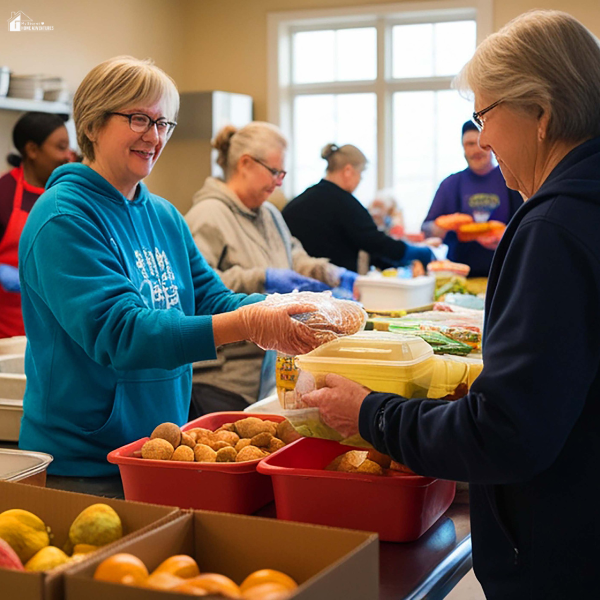
How Income Shocks Translate into Empty Pantries
When a paycheck shrinks or disappears, households must rework every bill. Food becomes a flexible line item because rent and utilities are not. People stretch meals, skip fresh produce, and rely on cheaper calories that fill but do not nourish.
Transportation costs add pressure. If gas prices rise, long trips to affordable stores are the first to go. Families switch to closer options with higher prices and fewer healthy choices. The result is a slower slide that turns a budget problem into a nutrition problem.
Anchoring Change in Local Stories and Trusted Voices
When neighbors hear how a parent balances work, childcare, and dinner on a tight budget, the issue feels close to home. Local media, libraries, and faith groups can highlight paths to support without naming or shaming. The right resources point to resources that frontline helpers can use.
Sharing these guides at community events makes the next steps clear. When people see their experience reflected, they are more likely to reach out. Leaders can invite residents to co-design solutions. That builds trust and keeps programs grounded in daily reality.
The Multidimensional Nature of Food Security
Food security has several layers:
- Availability asks whether food exists in the market.
- Access asks whether people can afford and reach it.
- Utilization asks whether diets meet nutritional needs.
- Stability asks whether those three hold up over time.
These layers interact with wages, housing, and healthcare costs. If you want to know more about the link between food access and social workers, a helpful food access blog post can walk you through common barriers and solutions. A small rent increase can push a family from stable meals to inconsistent ones. A medical bill can drain funds needed for groceries.
The system used by global monitoring groups highlights this web of causes and effects, and a recent UN health agency report continues to track progress against the hunger and nutrition targets under SDG 2.
Work, School, and the Geography of Choice
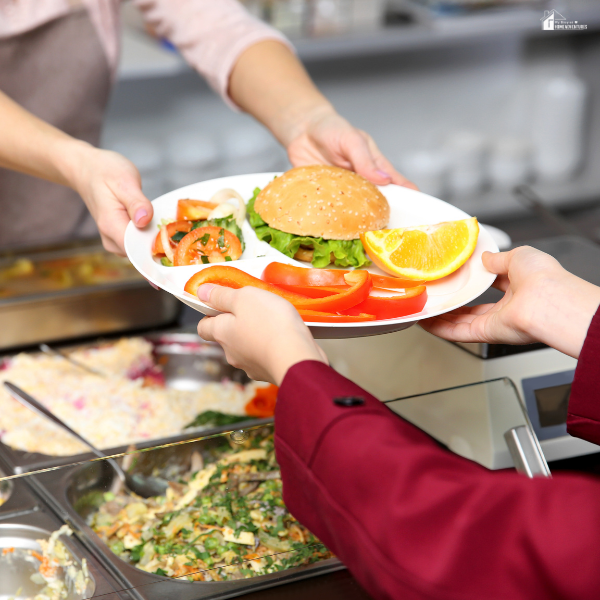
Where people live and learn shapes what they can buy. Many students and workers spend long hours in places without affordable, healthy options. Time poverty makes cooking difficult, and short lunch windows push people toward fast, cheap food.
Campus life shows the tradeoffs clearly. Studies in the United States have found millions of college students who report food insecurity, with the problem hidden behind busy schedules and social stigma that affects study time, class attendance, and mental health.
Community design can help. Reliable transit, neighborhood markets, and flexible campus meal plans shorten the distance between a budget and a balanced plate. Small location changes add up to big changes in daily choices.
Lived Experience and the Stigma Tax
Asking for help is hard for many. People worry about being judged by neighbors, employers, or staff at service counters. That fear delays action until the situation is difficult. Delays mean higher interest debt, late fees, and fewer healthy choices on the shelf.
Shame suppresses useful information. Families may not know they qualify for benefits, or they may avoid applying to keep their struggles private. Simple, respectful outreach can flip that script.
Clear language, friendly signage, and private enrollment options reduce what amounts to a stigma tax on the people who need help most.
Safety Nets that Steady the Cart
Public benefits convert economic stress into stable meals. When income dips, monthly aid can keep groceries predictable. That predictability supports better planning, fewer skipped meals, and healthier choices at checkout.
In the United States, agricultural economists report that a major nutrition program served roughly 42 million people per month in the last fiscal year, with benefits averaging under $200 per person. The scale matters because food budgets move daily.
When benefits arrive on time, families can smooth spending and avoid costly debt cycles tied to groceries.

Why Students and Early-career Workers Are Vulnerable
Students sit at the crossroads of limited income and rising costs. Tuition, books, and housing squeeze budgets until food becomes variable. A U.S. government watchdog found that several million college students reported food insecurity in a recent year, underscoring that this is not a niche issue.
Early-career workers face a similar pinch. Entry-level wages lag rent in high-cost cities, and irregular shifts complicate meal routines. Without paid time off, illness or caregiving can erase a paycheck and empty a pantry. Support on campus and at work can be simple and practical.
Helpful steps include:
- Affordable grab-and-go options near classrooms and shifts
- Flexible meal plan credits that roll over across terms or pay periods
- Confidential referral systems that connect people to local aid
Health Impacts that Compound Economic Stress
Food insecurity does not just follow hardship: it worsens it. Poor diet quality increases the risk of chronic conditions that are expensive to manage. Missed meals can trigger fatigue and reduce focus at school or work, which harms performance and future earnings.
Parents shield children by skipping meals themselves. That burden lands on mental health. Worry about food makes it harder to sleep and plan. Stress narrows attention to immediate needs and blocks longer-term decisions that could improve finances.
Clinics and social services can screen gently for food stress and connect people to support. A brief question during a visit can uncover needs that a family is reluctant to share.
Policy, Design, and the Role of Institutions
Local governments, schools, hospitals, and employers shape the daily food landscape. Zoning can encourage neighborhood grocers and markets. Schools can offer breakfast after the bell, so busy mornings do not force kids to skip meals.
Employers can align break times with the hours nearby markets are open.
Global monitoring bodies keep the big picture in view by tracking hunger and nutrition against clear targets. Their annual reporting keeps leaders focused on outcomes, not just inputs, and it helps communities learn what works.
When data guides decisions, resources flow to programs that turn income into real food access.
Caring for food security is caring for a community’s future. When households can count on consistent, healthy meals, everything else gets easier. Keep the focus on dignity, practical support, and local voices. That is how good policy turns into full plates and lighter days.