10 Ways Gardening Together as a Family Can Help Children Feel Grounded
This post may contain affiliate links which might earn us money. Please read my Disclosure and Privacy policies here
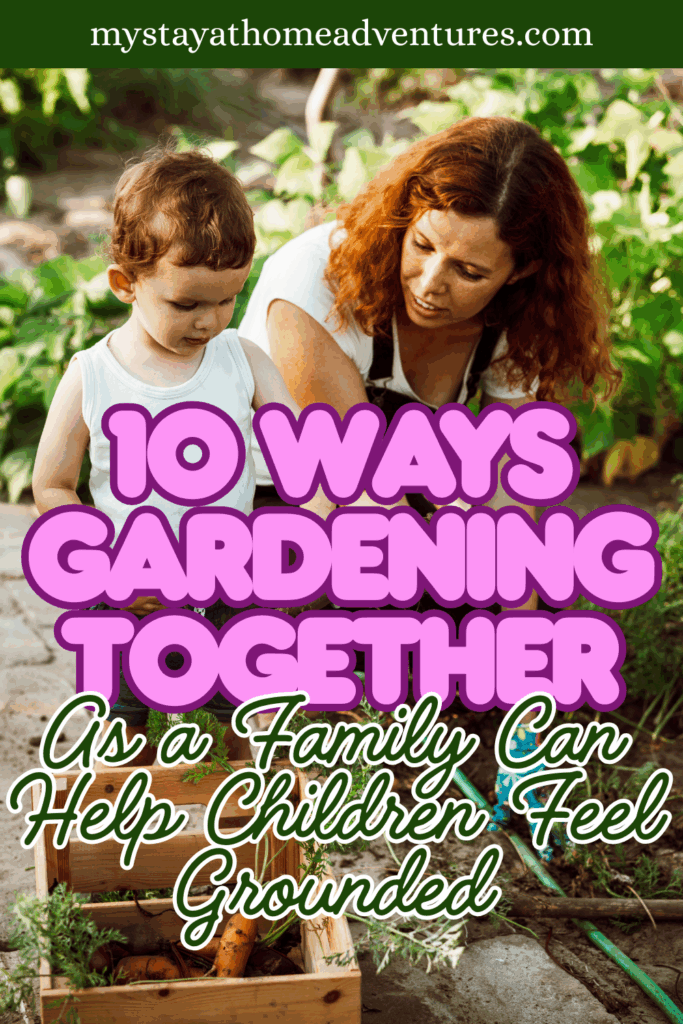
There's nothing quite like watching a child's face light up when they spot the first green shoots poking through the soil. We've all been there – that moment when something you planted actually grows. It's pretty amazing, really.
Gardening with your family isn't just about growing vegetables or pretty flowers. It's about giving children something steady to hold onto when everything else feels wobbly.
Children today face so much uncertainty. School pressures, friendship dramas, family changes. It's a lot for small shoulders to carry. But stick them in a garden with some seeds and suddenly they've got something simple and real to focus on.
Whether you're parenting your own children or working as a foster carer with young people who've had their world turned upside down, getting your hands dirty together can work wonders.
Making Each Day Count with Garden Routines
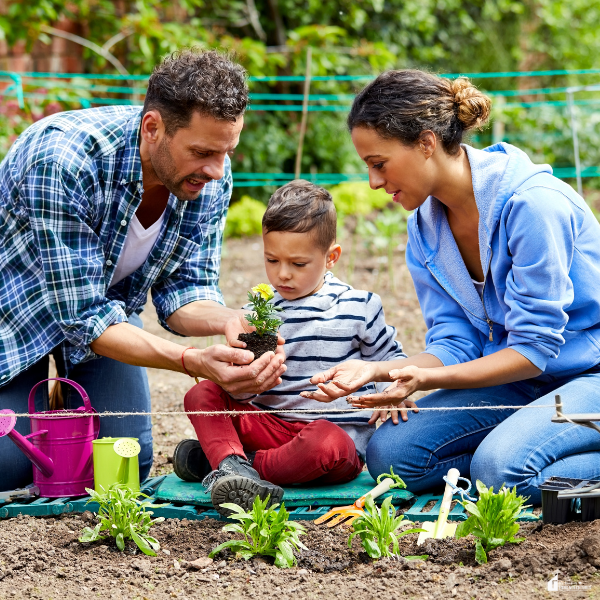
Children crave routine, even when they pretend they don't. Gardens are brilliant for this because they actually need regular attention. Not in a demanding way, but in a gentle, “don't forget about me” sort of way.
Your morning might start with checking if the tomatoes need water. Weekends could mean pulling weeds together whilst chatting about the week. These small, predictable moments become anchors for children.
Foster children especially benefit from these rhythms because they create new, positive patterns in what might feel like an unfamiliar environment.
Watching Confidence Bloom with Every Success
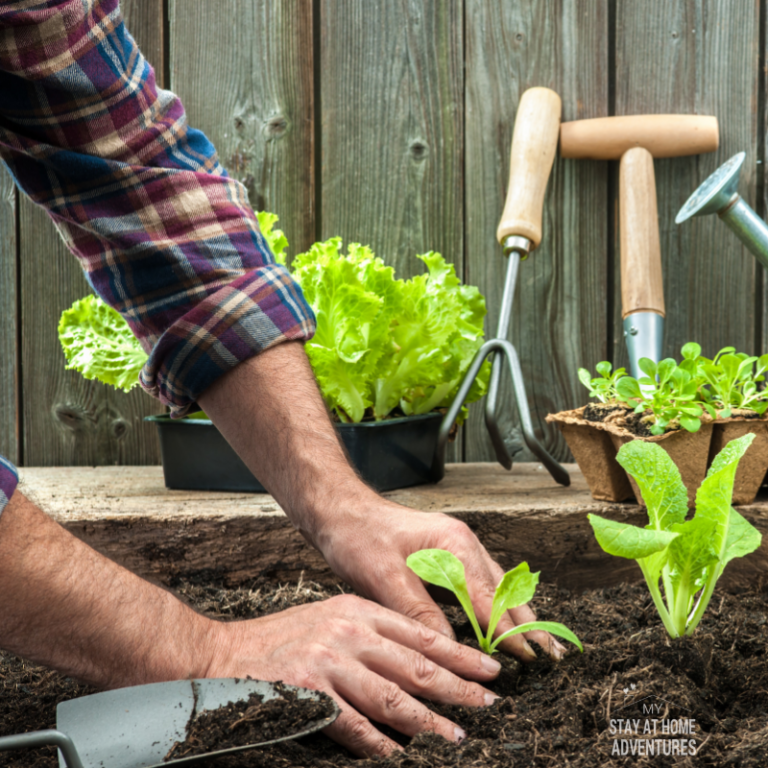
You know what's brilliant about gardens? They're incredibly forgiving teachers. Miss a day of watering? The plants usually bounce back. Plant seeds a bit wonky? They still grow. Children learn that mistakes aren't disasters; they're just part of the process.
Every tiny success builds on the last one. First sprout, first flower, first cucumber. Each milestone proves to children that they can make things happen. They did that. Their patience and care created something real and beautiful.
This confidence doesn't stay in the garden either. Children who feel successful growing plants often approach other challenges with more optimism. They've learned they can stick with something difficult and see results.
Learning That Good Things Take Time
We live in such an instant world now. Snacks appear in microwaves, entertainment streams immediately, and messages are sent in seconds. Gardens operate on completely different rules, and that's actually wonderful for children.
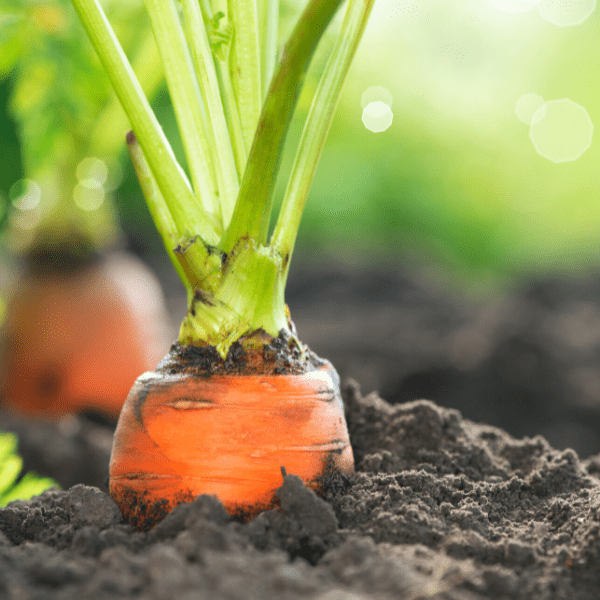
Waiting for seeds to germinate teaches patience in the most natural way possible. There's no rushing a carrot or hurrying a sunflower. Children learn to check progress without expecting dramatic changes daily. They discover satisfaction in slow, steady growth.
This patience spills over into other areas, too. Children who garden often become better at tackling homework projects or learning new skills. They've experienced firsthand that worthwhile achievements take time.
Giving Children Real Responsibility That Matters
When you hand a child responsibility for specific plants or garden areas, you're showing enormous trust. They know their plants depend on them. It's not pretend responsibility, it's the real deal.
Foster carers often find this particularly powerful. Giving newly arrived children their own corner of the garden helps them feel they belong somewhere. They're not just staying, they're contributing. Their efforts matter.
Start small with younger children. Maybe they're in charge of the herb pots by the kitchen door. Older ones might manage entire vegetable beds. The responsibility grows with them, always challenging but never overwhelming.

Reconnecting with Nature's Calendar
Most children have lost touch with natural seasons. Central heating means winter doesn't really feel cold indoors. Supermarkets stock strawberries year-round. Gardens bring back that connection to real seasonal rhythms.
Children who garden learn to think ahead. They plant broad beans in early spring, knowing they won't harvest until summer. They understand why certain plants need protecting in winter. This forward-thinking becomes a valuable life skill.
There's also something grounding about being part of these ancient cycles. Humans have always planted in spring and harvested in autumn. Your children join that timeless tradition.
Finding the Right Moments for Heart-to-Heart Chats
Some of the most important conversations happen when you're not trying to have them. Gardens create perfect opportunities for these natural talks. Children often open up more easily when their hands are busy and there's no direct eye contact pressure.
Working side by side whilst weeding or harvesting creates a comfortable atmosphere for sharing. Children might mention worries about school or friends whilst picking strawberries. These moments feel less formal than sitting down for a “serious chat.”
For families working with Foster Care Associates, these relaxed conversations can be particularly valuable in helping children feel comfortable sharing their thoughts and feelings in their new environment.
Learning Lessons That Stick
Gardens teach science, maths, and life skills without feeling like lessons. Children observe photosynthesis happening, even if they don't know that's what it's called. They measure spacing between plants and calculate watering schedules.
But the deeper lessons matter more. They learn that living things need care and attention. They discover how satisfying it feels to nurture something vulnerable into strength. They understand that small, consistent efforts create big results over time.
These aren't abstract concepts from textbooks. Children experience them directly, which makes the learning much more powerful and memorable.
Creating New Family Stories and Traditions
Every family needs its special traditions, and gardens provide perfect opportunities for creating them. Maybe you always plant sunflowers on the first warm weekend of spring. Perhaps Saturday mornings become garden time with a special breakfast afterward.
These traditions become part of your family story. Children remember the year the pumpkins grew so large that they won the local competition. They talk about the summer when the cherry tomatoes were so sweet they ate them straight from the vine.
For foster families, these new traditions help create positive memories and a sense of belonging. Children become part of something ongoing rather than just passing through.
Encouraging Adventurous Eating Through Growing
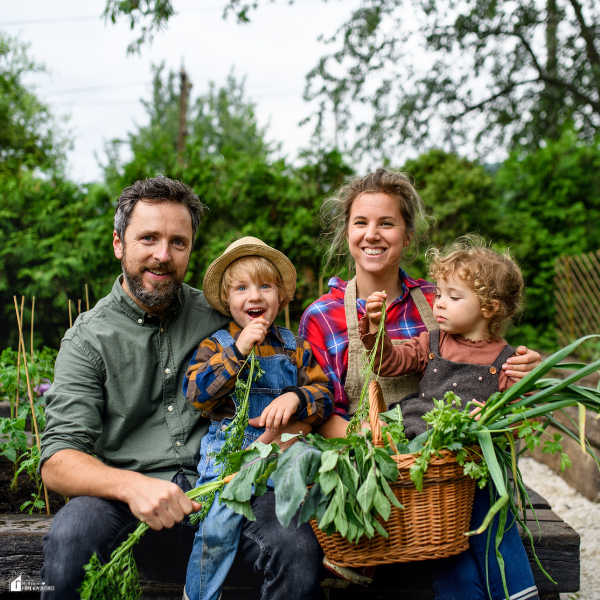
Children who grow their own food approach eating completely differently. They're curious about vegetables they've nurtured from seeds. They want to taste herbs they've been smelling all summer.
This isn't about forcing children to eat vegetables. It's about creating genuine interest in fresh, healthy food. When children understand the effort involved in growing food, they waste less and appreciate more.
Many families discover their children will try vegetables they've grown that they'd never touch from the supermarket. There's something special about eating food you've produced yourself.
Finding Peace in Garden Therapy
Gardens have a naturally calming effect on most people, but this is especially true for children dealing with stress or trauma. The repetitive nature of many garden tasks, such as weeding, watering, and harvesting, can be genuinely soothing.
Research shows that contact with soil and spending time in green spaces support mental health. For children who've experienced difficult circumstances, these therapeutic benefits can be particularly helpful in their healing journey.
The garden becomes a safe space where children can process emotions whilst doing something constructive and nurturing.
Growing More Than Plants
Gardening with your family creates so much more than a lovely outdoor space. You're growing confidence, patience, responsibility, and connection all at the same time. Children develop practical skills whilst learning deeper lessons about care, persistence, and the rewards of hard work.
Whether you're strengthening existing family bonds or helping foster children feel at home, the garden becomes a place where everyone can put down roots, literally and figuratively. The lessons learned while tending plants often become the foundation for how children approach relationships and challenges throughout their lives.
Gardens teach us that growth takes time, care matters, and beautiful things are possible when we're patient and persistent. These are lessons every child deserves to learn.