How Construction Planning Prevents Costly Renovation Errors
This post may contain affiliate links which might earn us money. Please read my Disclosure and Privacy policies here
Renovation projects often begin with excitement and high expectations, yet many end with inflated budgets, missed deadlines, and frustrating rework. These problems rarely come from bad intentions.
They usually stem from rushed decisions, vague scopes, or poor coordination long before tools ever hit the site. Construction planning acts as the stabilizing force that turns creative ideas into controlled, predictable outcomes.
In professional renovation environments, AP Advanced Construction emphasizes planning as a disciplined process rather than a paperwork exercise. When planning is taken seriously from the outset, it becomes the most effective defense against financial surprises, structural conflicts, and inefficient workflows.
A thoughtful plan aligns design, materials, labor, and scheduling into one clear roadmap that everyone can follow.
The Hidden Price of Renovation Mistakes
Renovation errors are rarely isolated incidents. One incorrect measurement can trigger a chain reaction involving material waste, labor overruns, and schedule delays. For example, ordering finishes before verifying structural tolerances often leads to replacements that strain the budget.
Electrical or plumbing conflicts discovered late may require demolition of newly completed work.
Without a defined planning phase, teams tend to react instead of anticipate. This reactive approach increases stress and limits options, forcing quick fixes that are often more expensive. Planning reduces uncertainty by identifying risks early, when solutions are still affordable and flexible.
Strategic Pre-Construction Analysis
A strong plan begins with a detailed evaluation of the existing structure. Renovation projects differ from new builds because they must adapt to conditions that are not always visible. Load paths, aging materials, and previous modifications all affect feasibility.
Pre-construction analysis includes site inspections, structural assessments, and code reviews. These steps uncover constraints that influence design and cost decisions. When contractors and designers collaborate during this stage, they can propose realistic solutions that respect both the building and the client’s budget.
Accurate Cost Forecasting and Budget Control
Cost overruns are one of the most common renovation failures. They often occur because initial estimates are based on assumptions rather than verified data. Construction planning replaces guesswork with detailed quantity takeoffs, labor projections, and contingency allowances.
A well-developed budget accounts for material lead times, market fluctuations, and potential site conditions. This financial clarity allows owners to prioritize spending and avoid mid-project compromises. When every expense category is mapped out, there is less temptation to cut corners that could cause future home repairs.
Coordinated Scheduling and Workflow Efficiency
Time mismanagement is another primary source of renovation errors. Overlapping trades without coordination leads to congestion, damaged work, and idle labor. Planning establishes a realistic schedule that sequences tasks logically and respects dependencies.
For instance, structural modifications must be completed and inspected before finishes are installed. Mechanical rough-ins need clearance before walls are closed. A coordinated timeline reduces downtime and keeps progress steady. It also helps suppliers deliver materials at the right moment, minimizing storage issues and theft risks.
Design Clarity and Scope Definition
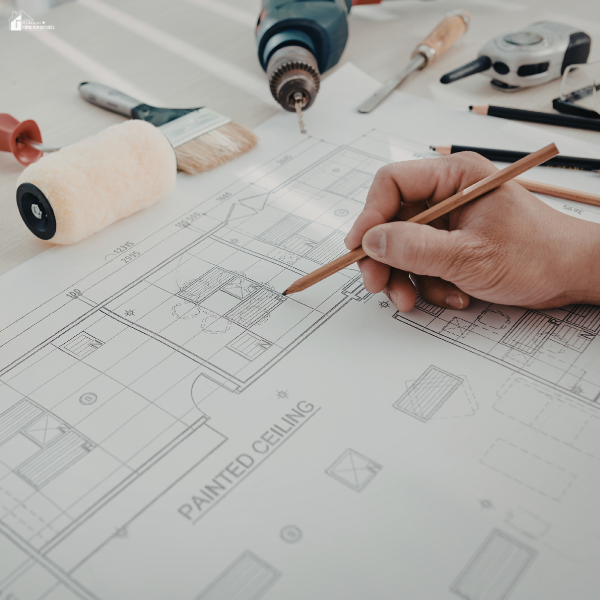
Ambiguous design documents invite misinterpretation. When drawings lack detail or specifications remain incomplete, contractors must make assumptions. These assumptions often conflict with the owner’s vision and lead to change orders and disputes.
Construction planning sharpens the project scope. Detailed drawings, clear specifications, and written scopes of work help everyone understand what the project includes. This clarity reduces unnecessary revisions and keeps expectations aligned. It also simplifies communication by allowing teams to reference agreed-upon documents.

Risk Management Through Early Problem Identification
Every renovation carries risk, but unmanaged risk is what causes damage. Planning introduces structured risk management by identifying potential issues before they escalate. Examples include discovering asbestos, assessing moisture intrusion, or evaluating outdated electrical systems.
Once risks are identified, mitigation strategies can be developed. This may involve alternative materials, revised construction methods, or adjusted timelines. Addressing risks early protects both safety and finances, while preventing rushed decisions under pressure.
Communication as a Planning Tool
Clear communication is not a soft skill in construction. It is a technical necessity. Planning establishes communication protocols that define how information flows between owners, designers, contractors, and inspectors.
Regular planning meetings, documented approvals, and updated schedules reduce misunderstandings. When changes are unavoidable, a structured communication process ensures they are evaluated for cost and schedule impact before implementation. This transparency builds trust and keeps the project moving forward with fewer conflicts.
Quality Assurance Embedded in the Plan
Quality problems often appear when inspections are treated as afterthoughts. Planning integrates quality control checkpoints throughout the renovation process. These checkpoints verify that work meets specifications before it is concealed by subsequent phases.
Planned inspections reduce rework and protect long-term performance. They also ensure compliance with building codes and industry standards. Quality assurance becomes proactive rather than corrective, saving time and resources.
Planning as a Long-Term Safeguard
Construction planning does more than prevent immediate mistakes. It protects the long-term value of the renovated space. A carefully planned project results in durable systems, efficient layouts, and finishes that perform as intended over time.
Structured planning guides renovation decisions, leading to results that are both visually successful and financially sound. The discipline invested at the beginning pays dividends through fewer errors, controlled costs, and a smoother experience for everyone involved.