Perfect Desk Legs Explained: The Small Detail That Transforms Any Desk Setup
This post may contain affiliate links which might earn us money. Please read my Disclosure and Privacy policies here
When upgrading a desk, most people focus on the tabletop size, material, or finish, yet one of the most transformative elements is often ignored: desk legs. These supporting components do far more than hold your desk upright.
They influence stability, comfort, visual appeal, and how your workspace feels day after day. Choosing the right desk legs can elevate an average desk into a custom setup that feels intentional, professional, and built for productivity.
Why Desk Legs Are the Foundation of a Great Workspace
Desk legs form the structural backbone of any desk. Weak or poorly designed legs can lead to wobbling, uneven surfaces, and long-term wear, making even the best tabletop feel cheap or unreliable.
High-quality desk legs provide strength, balance, and confidence, especially for people who use multiple monitors, work with heavy equipment, or spend long hours at their desk. Beyond stability, desk legs also influence how a desk ages.
Strong materials and thoughtful construction help evenly distribute weight, reducing stress on joints and preventing sagging over time. This means your desk doesn’t just look good on day one, but continues to perform well for years.
Investing in solid desk legs is one of the smartest ways to protect the longevity of your entire workspace.
How Desk Legs Shape Style and Aesthetics
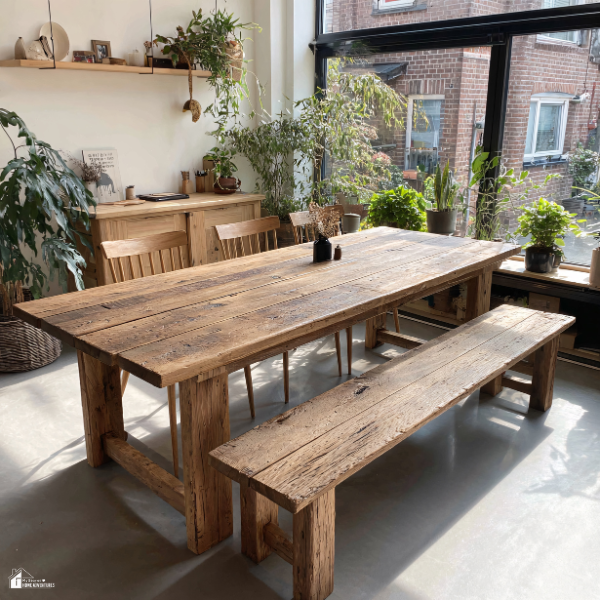
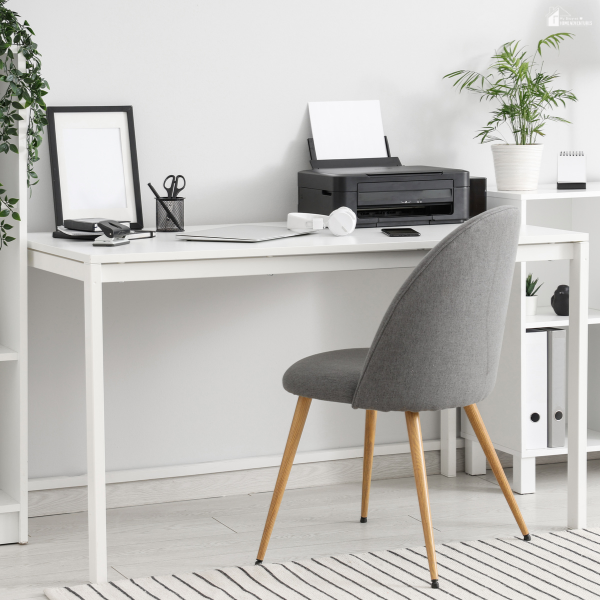
From a design perspective, furniture legs play a major role in shaping a desk’s overall personality and visual impact. Sleek metal legs deliver a clean, modern aesthetic that complements minimalist and contemporary interiors. In contrast, wooden furniture legs introduce warmth, character, and natural texture, making them a perfect choice for home offices, studios, or creative workspaces where comfort and style matter.
Industrial-style desk legs with bold angles or exposed hardware can turn a simple desk into a statement piece. The shape and finish of desk legs also affect how spacious a room feels. Thinner profiles help maintain an open, uncluttered appearance, while thicker legs bring a sense of strength and permanence.
By choosing desk legs that match your room’s style, you create visual harmony and a workspace that feels thoughtfully designed rather than pieced together.
Comfort, Ergonomics, and Everyday Performance
Desk legs play a critical role in ergonomics, even though they’re often overlooked. The height of the legs determines whether your desk supports healthy posture, proper arm positioning, and long-term comfort.
Adjustable desk legs are especially valuable, allowing you to fine-tune height or transition between sitting and standing throughout the day. Stability also affects focus. A desk that shakes or shifts with every movement can be surprisingly distracting.
Solid desk legs minimize vibration, creating a firm surface that supports smooth typing, writing, and screen use. When your desk feels stable and comfortable, it’s easier to stay productive and avoid physical strain during long work sessions.
While they may seem like a small detail, desk legs have a powerful impact on how a desk looks, feels, and performs.
They influence stability, style, ergonomics, and durability simultaneously. By choosing the right desk legs, you can transform an ordinary desk into a customized workspace that supports productivity, comfort, and long-term use. Sometimes, the smallest design choices make the biggest difference.