From Candy to Culture: How Vending Machines Hooked Us on the Drug of Instant Gratification
This post may contain affiliate links which might earn us money. Please read my Disclosure and Privacy policies here
There’s something magical about the low hum of a vending machine in a quiet hallway. The glow from the glass. The tidy rows of snacks lined up like soldiers awaiting deployment. The unmistakable clink of coins or the beep of a card reader. And then—seconds later—the satisfying thunk of a candy bar hitting the bottom tray.
It’s not just a snack. It’s a dopamine hit, neatly packaged.
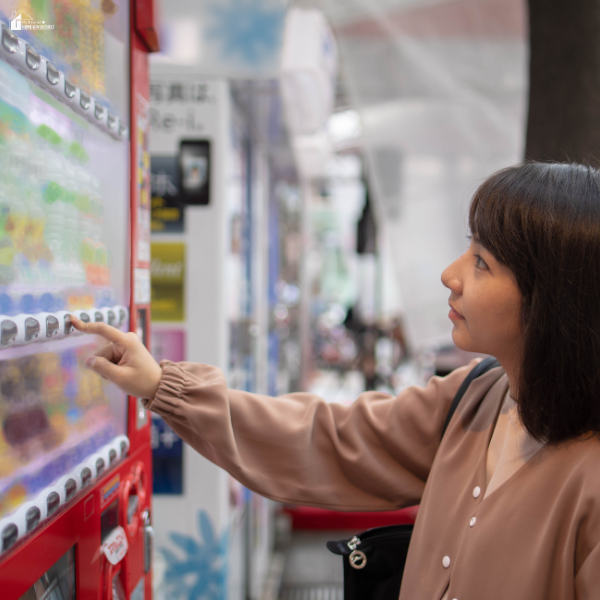
For more than a century, vending machines have been more than mere convenience—they’ve been cultural milestones. What began as a novelty in dispensing candy and gum has evolved into an intricate ecosystem that fuels our need for speed, comfort, and control. Somewhere along the way, these steel-and-glass boxes became dealers in the drug we all crave: instant gratification.
And if you think that’s an overstatement, consider this—vending machines now sell everything from hot meals to luxury cosmetics, from PPE kits to champagne. This isn’t a story about snacks. This is about the human desire to get what we want, right now.
The Birth of Instant Gratification on Demand
Before vending machines, you had to wait. You wanted bread? You visited a bakery during operating hours. Craved candy? You needed to find a shop, stand in line, and deal with a human cashier.
Then, in 1888, the Thomas Adams Gum Company in New York installed the first modern coin-operated gum machines in train stations. They were simple, mechanical, and didn’t ask for small talk. You inserted a coin, turned a crank, and out came gum—without the fuss.
It was revolutionary not because gum was new, but because the experience was immediate. In an era when most purchases required a little patience, vending machines were selling not just products, but time. The concept was so powerful that by the mid-20th century, machines were popping up in train stations, offices, schools, and factories across the world.
By the 1950s, vending was in full swing. Cigarettes, coffee, soda, sandwiches—if it could fit in a box, someone figured out a way to sell it through a slot. This was more than a retail trend; it was a cultural shift toward instant access.
The Psychology Behind the Click, Drop, and Reward
The success of vending machines isn’t only about convenience—it’s rooted in psychology. Our brains are wired for reward, and vending machines hit the sweet spot in several ways:
Predictable Reward – You know exactly what you’ll get, and you know you’ll get it within seconds.
Autonomy – You don’t need anyone’s help to get what you want. That control feels good.
Low Effort, High Reward – The ratio of effort to satisfaction is tiny, which makes it addictive.
In many ways, vending machines are an early analog version of the “instant click” gratification we now experience with Amazon one-click shopping or food delivery apps. The difference is that vending machines let you bypass even the short waiting time of digital purchases. They deliver now.
And “now” is a powerful selling point—so powerful that it’s not just influencing snacks, but shaping consumer expectations across industries.
From Sweet Treats to Social Statements
Fast forward to the 21st century, and vending machines are no longer limited to candy and soda. Japan famously has more vending machines per capita than anywhere else in the world, dispensing everything from hot ramen to umbrellas. In the U.S., we’ve seen machines selling luxury makeup at airports, cupcakes in major cities, and fresh salads in office buildings.
These machines aren’t just functional—they’re cultural touchpoints.
In 2017, Chanel installed a beauty vending machine in London’s Covent Garden as part of a brand activation campaign. It wasn’t there to sell in bulk—it was there to create buzz. Likewise, Sprinkles Cupcakes’ “ATM” has become an Instagram landmark. The product is almost secondary to the experience of pressing a button and watching a little door open to reveal a fresh cupcake.
That’s the thing about vending in the age of social media—it’s no longer about solving hunger at 3 a.m. It’s about creating a moment. The machine is the stage, the product is the prop, and you, the customer, are the star.
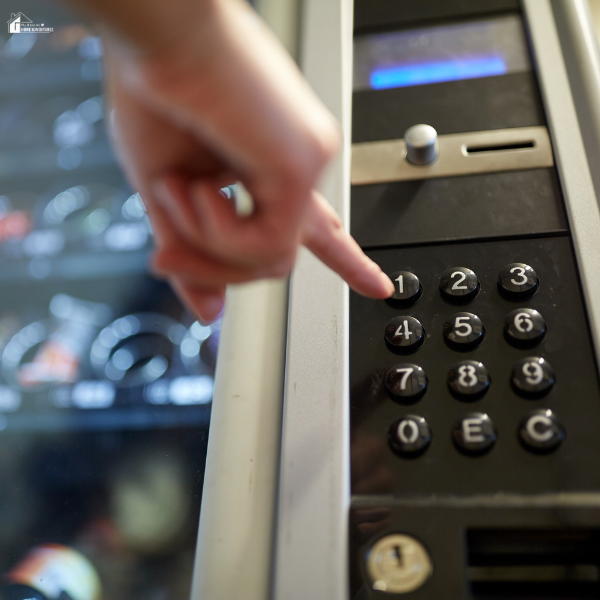
The Business of Speed: Why Vending is Still Thriving
It would be easy to think vending machines might have faded into irrelevance in a world of smartphones and same-day delivery. But in reality, they’ve adapted beautifully.
The average profit from vending machines depends heavily on location, product selection, and customer volume, but industry reports suggest that a well-placed snack or drink machine can make hundreds of dollars per month in net profit. Multiply that across a network of machines, and you have a surprisingly robust income stream.
That’s because vending taps into a core truth about human behavior: speed sells. The person who buys a bottle of water from a vending machine knows they could get it cheaper at a store. But they’re paying for immediacy, for the elimination of barriers.
In high-traffic areas—think airports, hospitals, universities, and transit stations—that immediacy translates into steady, reliable sales. And with the rise of cashless payment options, even the barrier of “having coins” is gone. The faster and easier the transaction, the more likely people are to indulge.
How Vending Machines Became Cultural Mirrors
It’s tempting to see vending machines as static objects—unchanging relics of the mid-century snack craze. But in truth, they’ve evolved in lockstep with society.
During health-conscious waves, vending operators started offering bottled water, trail mix, and low-sugar snacks. During the COVID-19 pandemic, machines pivoted to sell masks, gloves, and sanitizers. In sustainability-focused cities, machines now feature locally sourced products or use energy-efficient refrigeration.
Vending machines are also reflecting cultural values through technology. Touchscreens offer nutrition information. Some even use AI to suggest products based on the time of day or your past purchases. The machine is no longer a dumb dispenser—it’s a data-driven retail point, tracking consumer habits in real time.
Instant Gratification in the Age of Everything-On-Demand
If you think about it, the vending machine was the prototype for the world we live in today. Long before smartphones, it promised the very thing tech companies now spend billions to perfect: immediate delivery with zero friction.
Streaming services let us watch anything instantly. Food delivery apps let us satisfy cravings without leaving the couch. E-commerce gives us one-day—or even one-hour—shipping. But vending machines still occupy a unique place in that ecosystem because they are truly instant.
And this is why they’re not going anywhere.
In a digital world, vending machines offer a physical interaction, a tangible bridge between desire and reward. The act of pressing a button, hearing the whir of machinery, and physically retrieving your item is more satisfying than tapping a screen and waiting for a knock on the door.
It’s the ultimate “now” in a world that’s obsessed with it.
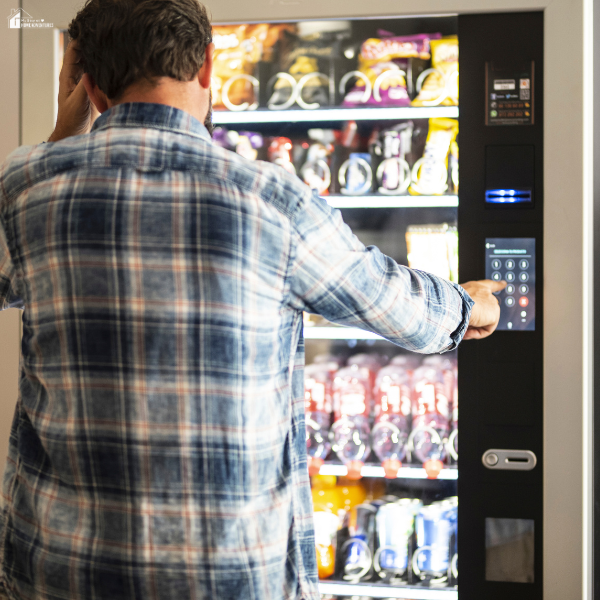
The Addiction We Don’t Talk About
Calling instant gratification a “drug” isn’t just poetic—it’s neuroscientific. When you get what you want quickly, your brain releases dopamine. Over time, your brain starts associating certain cues—a vending machine’s hum, a touchscreen’s glow—with that rush.
This is why vending machine purchases can feel impulsive. You might not have been hungry walking past, but the visual stimulus triggers the thought, “I could have that right now.” The low cost of entry makes the decision almost automatic.
Marketers understand this, which is why product placement inside machines is carefully curated. Popular snacks are placed at eye level, limited editions are highlighted, and machines are positioned in areas where you’re likely to be waiting, bored, or stressed—moments when your brain is most open to quick hits of pleasure.
The Future of Vending: From Transaction to Experience
The next era of vending will go beyond convenience and into personalization. Imagine a machine that recognizes you via facial recognition or app integration, suggests your favorite drink, and offers a discount if you try something new. Or machines that gamify the purchase—spin a wheel, win a prize, share your moment on social media for bonus points.
In this future, the average profit from vending machines may rise not because of higher prices, but because of deeper engagement. The more a machine feels like “yours,” the more you’ll use it.
We’re already seeing experimental machines in places like Tokyo and Seoul that blend vending with entertainment—think claw-machine mechanics, holographic hosts, or interactive trivia while you wait for your product to drop. These innovations don’t just feed your hunger; they feed your curiosity and your need for micro-moments of joy.
From Candy to Culture
Vending machines started as simple candy dispensers. Now, they’re microcosms of the consumer world—fast, customizable, and emotionally satisfying. They’ve shifted from feeding stomachs to feeding identities, from solving hunger to staging shareable moments.
They are, in essence, miniature reflections of our collective appetite for speed. In a way, every press of a vending button is an endorsement of the cultural truth we’ve built our economy on: why wait, when you can have it now?
And maybe that’s why vending machines still capture our imagination after more than a century. They are not just boxes of snacks. They are monuments to our most human cravings—the craving for immediacy.
In the end, the real product vending machines have been selling all along isn’t gum, soda, or cupcakes. It’s the thrill of instant gratification, neatly packaged and ready to drop into your hands. From candy to culture, that’s the drug we keep coming back for.