Turning an Unused Room Into a Space the Whole Family Can Enjoy
This post may contain affiliate links which might earn us money. Please read my Disclosure and Privacy policies here
An unused room can easily become a storage area for things nobody knows where else to put. Boxes accumulate, old furniture stays in place and the space gradually loses any clear purpose.
That makes it one of the biggest missed opportunities in the home.
With some planning, a spare room can become somewhere the whole family actually wants to use. The most successful transformations are usually flexible rather than highly specialized. A room that supports games, exercise, hobbies and casual downtime has a much better chance of remaining useful as interests and routines change.
The key is to design around how the household really spends time rather than trying to create a showroom-style space.
Build Around One Main Activity Without Limiting the Room
A multipurpose room works best when it has one clear anchor activity.
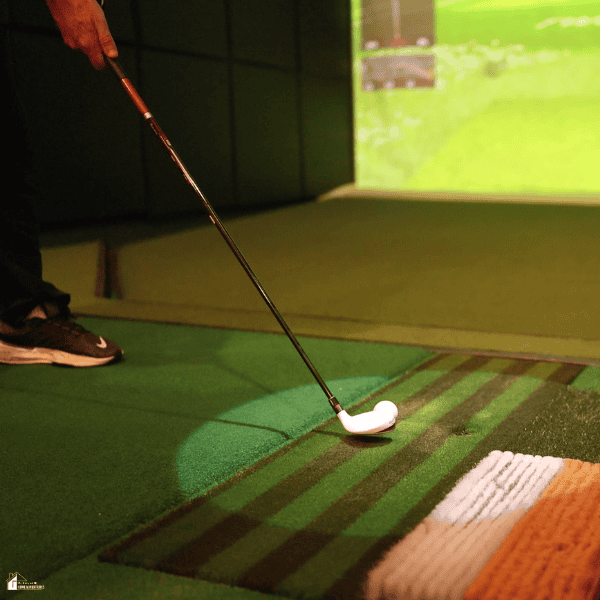
That could be gaming, exercise, movies or indoor golf. If golf is the main attraction, families looking at golf simulator enclosures for sale can use the enclosure to define the hitting area, contain shots and keep the setup visually separate from the rest of the room.
That separation matters because it allows the remaining space to support other activities.
A sofa, storage unit or small table can sit outside the simulator area so the room still works when nobody is playing.
The goal is not to dedicate every square foot to one hobby. It is to give the main activity enough structure that everything else can coexist around it.
Choose Furniture That Can Adapt
Flexible furniture makes a family room much easier to use.
A lightweight table can support board games, homework or snacks, while modular seating can be rearranged depending on how many people are using the room.
Storage furniture is especially valuable.
Benches with hidden compartments, shelves with baskets and cabinets can keep sports equipment, controllers, books and hobby supplies from taking over the floor.
That helps the room reset quickly between activities.
The easier it is to put things away, the more likely family members are to use the space without worrying about creating a mess that lasts for days.
Make the Room Comfortable Enough to Stay In
A recreational room needs to feel comfortable, not just functional.
Lighting is one of the easiest ways to improve the atmosphere. Bright task lighting may be useful for games or hobbies, while softer lamps make the room better for movies or evening relaxation.
Temperature matters too.
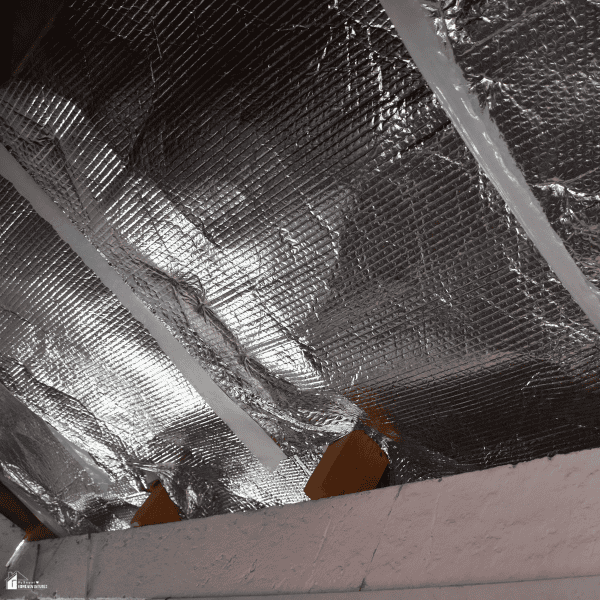
Spare rooms are sometimes located in basements, garages or less-used parts of the house, where heating and cooling may be less consistent. Improving comfort can make the difference between a room that is technically usable and one the family actually chooses.
Flooring can also change the feel of the space.
Rugs or softer surfaces help reduce noise and make the room more inviting without requiring major renovation.
Give Different Age Groups Something to Use
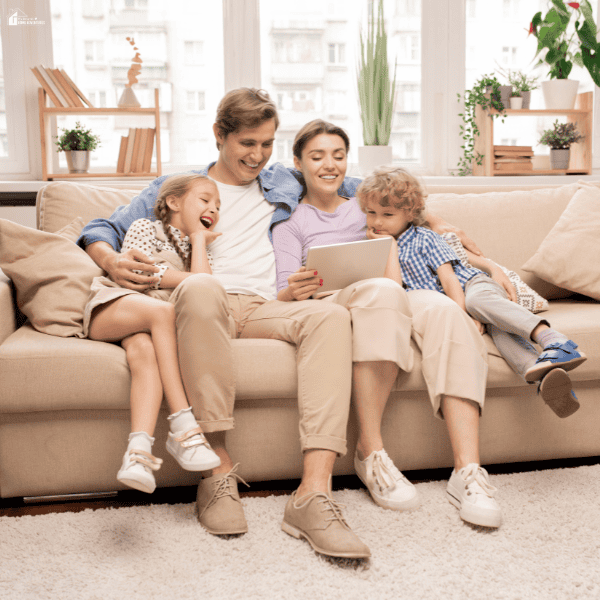
A family room works better when it is not designed entirely around one person.
Younger children may need floor space for games, while teenagers might prefer seating, screens or competitive activities. Adults may want somewhere for exercise, hobbies or simply spending time together.
That does not mean the room needs to contain something for everyone at all times.
Instead, it should be flexible enough to support different uses.
Shared activities are particularly valuable because they give family members a reason to spend time in the same space rather than retreating to separate rooms.
A simulator, board game table or movie setup can all become natural gathering points without requiring a formal family activity schedule.
Keep Technology From Taking Over the Space
Technology can make a recreational room much more entertaining, but too many devices can also make it feel cluttered.
Screens, consoles, speakers and simulator equipment all need power, cables and storage.
Planning those details early makes the room easier to maintain.
Cable management, dedicated charging areas and closed storage for accessories can keep equipment available without leaving everything permanently visible.
It also helps to think about noise.
Headphones, rugs and soft furnishings can reduce sound travelling into the rest of the home, especially if the room will be used for gaming or indoor sports.
Technology should support space rather than dominate it.
A Good Family Room Should Be Easy to Change
The strongest multipurpose rooms can evolve.
Children get older, hobbies change and equipment that feels essential today may be replaced later.
That is why permanent built-ins are not always the best answer.
Movable furniture, modular storage and clearly defined zones make it easier to update the room without starting again from scratch.
An unused room has value precisely because it offers flexibility.
Instead of filling it with one fixed purpose, create a space that supports how the family spends time now while leaving room for future changes.
When the layout is comfortable, organised and adaptable, a forgotten spare room can become one of the most frequently used parts of the home.