Water Damage and Mold: Essential Home Safety Tips for Families With Kids
This post may contain affiliate links which might earn us money. Please read my Disclosure and Privacy policies here
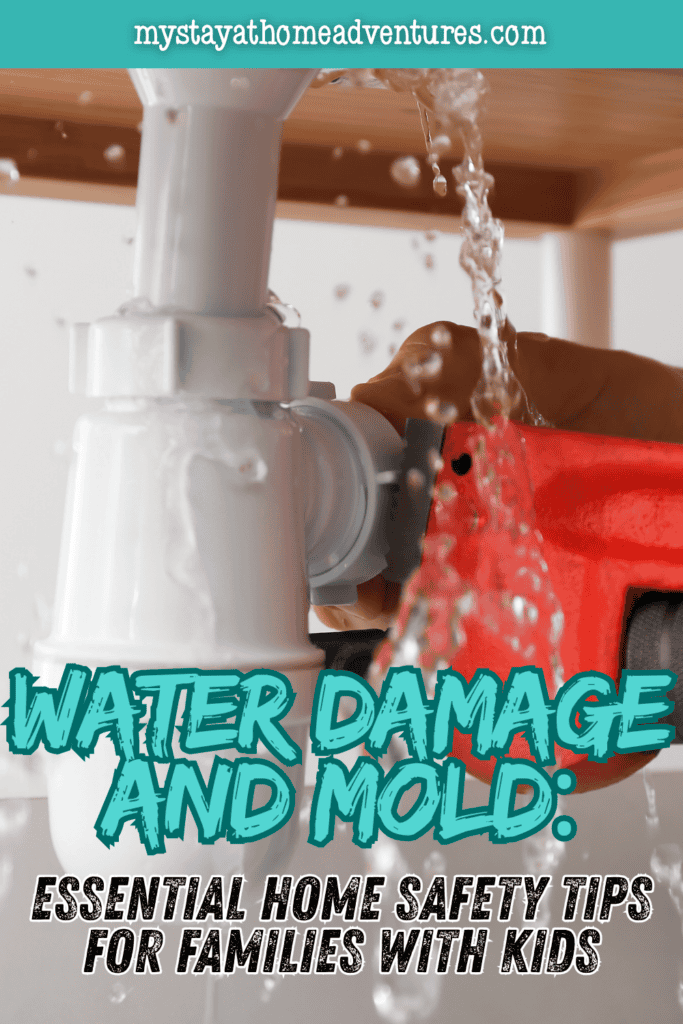
A toddler who has just learned to crawl can quickly find a damp patch in the house. Water damage often creates hazards at floor level. That puts them right where small hands and knees spend the day.
A burst pipe, overflowing washing machine, or roof leak can quickly soak carpets and drywall. Mold can begin growing on damp materials within a day or two. As a result, parents face several practical questions during those first hours.
What can children safely touch? Which rooms should stay closed? How long will everything take to dry?
The answers depend on the water source and the materials that absorbed it. The children’s ages also affect the precautions parents need to take.

The First Two Days After a Leak
Speed matters more than perfection once water has escaped. The first step is stopping the source, whether that means closing a supply valve, turning off the washing machine, or placing a bucket under a roof drip.
If water is near outlets, appliances, or a breaker panel, the power to that area should be shut off at the panel before anyone steps into the room. Standing water and electricity are a dangerous pairing, and children tend to wade into puddles before adults can stop them.
After that, the goal is removing moisture. Mopping, wet vacuuming, opening windows when outdoor air is dry, and running fans all help. Furniture, toys, and rugs should come off wet floors quickly, since they trap water against the surface beneath them.
Photographs of the damage, taken before cleanup begins, are useful for insurance. Many agencies that publish mold guidance, including the U.S. Environmental Protection Agency, advise drying wet materials within roughly 24 to 48 hours to prevent growth.
That window is short, which is why a calm, ordered response helps more than a frantic one.
What Is Safe to Touch and What Should Wait
The source of the water decides almost everything. Water from a clean supply line, such as a broken faucet connection, is the least risky, and an adult can usually handle cleanup with gloves and ordinary care.
Water from a washing machine, dishwasher, or toilet tank (without waste) carries more contamination. Sewage backups and floodwater from outdoors are the most hazardous, since they can carry bacteria and other pathogens.
Children should not touch, play in, or crawl through any water in those last two categories, and materials soaked by them are often discarded rather than saved.
Hard, nonporous surfaces such as tile, sealed concrete, and metal can generally be cleaned and dried. Porous items, including carpet padding, upholstered furniture, mattresses, and ceiling tiles, absorb water deeply and are much harder to make safe.
Stuffed animals and soft toys that sat in contaminated water usually need to be thrown out, while washable fabrics from clean-water leaks can go through a hot wash.
When water damage in a Knoxville home extends beyond what a household can dry within a day or two, families may need professional help. Wet drywall, insulation, and subfloors can be difficult to assess without moisture meters and drying equipment, so many homeowners look for water damage repair in Knoxville or nearby.
Signs a Room Should Be Off Limits to Children
A closed door is a simple, effective safety tool. Certain conditions call for keeping children out entirely until the space is dried, cleaned, or assessed:
- Standing water, or any water that could reach electrical outlets, cords, or appliances
- Sewage, floodwater, or water with a foul smell or unusual color
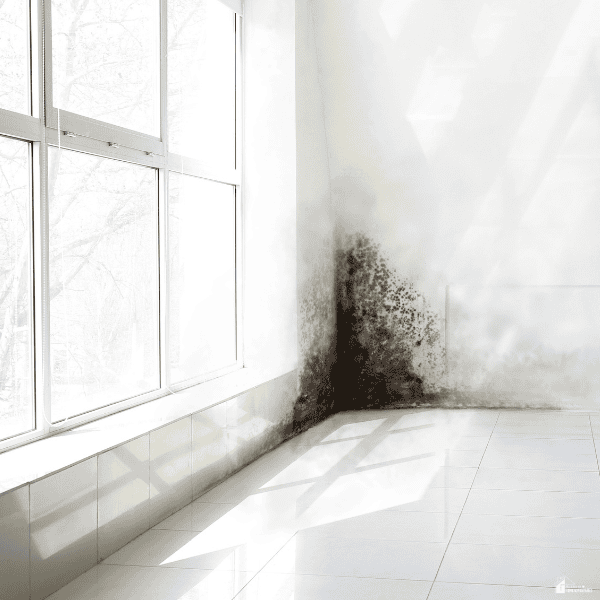
- Visible mold, especially patches spread across a large area
- A strong musty odor that persists after the surface looks dry
- Sagging ceilings, bulging drywall, or soft, spongy flooring
- Active demolition, dust, or drying equipment with cords and hot exhaust
Mold deserves particular care around young children. Exposure can irritate the eyes, nose, throat, and skin, and people with asthma or allergies may react more strongly.
For small patches (guidance from the EPA generally treats about ten square feet as the limit for do-it-yourself cleanup), an adult can scrub nonporous surfaces with detergent and water while wearing gloves, goggles, and a well-fitted respirator, with the room ventilated and children elsewhere.
Cleaning products should never be mixed, since combinations such as bleach and ammonia release harmful fumes. Larger or recurring growth is better evaluated by a professional.
Realistic Drying Timelines for Common Materials
People often assume a room is dry once the surface feels dry. Hidden moisture stays much longer. Drying speed depends on temperature, humidity, airflow, and the thickness and density of what got wet. A thin layer of water on sealed tile may be gone in hours, while a soaked wall cavity can take far longer.
As a general pattern, wet carpet and pad often need a few days of fans and dehumidification if they can be saved at all. Drywall that has been soaked for a short time can sometimes be dried in place over several days, though extended wetting usually means cutting out the affected section.
Wood framing and subfloors hold water the longest, and a week or more is not unusual in humid weather. A moisture meter gives a far more reliable answer than touch or smell, and drying should continue until readings match those of unaffected areas.
Families facing a large loss, or one that has already sat for several days, often hire water damage repair, to monitor readings and decide which materials can stay. Rooms should remain closed to children and pets until readings are normal and any odor is gone.
Keeping Daily Routines Safe During Cleanup
Cleanup can drag on for days, and children still need meals, naps, and somewhere to play. Setting up a clear zone helps. One dry, unaffected room can serve as the family space, with the damaged area closed off by a door or plastic sheeting.
Baby gates alone are not enough around drying equipment, because fans and dehumidifiers have cords, hot surfaces, and moving parts.
Handwashing becomes especially important. Everyone who works in or crosses a damaged area should wash hands and change shoes before returning to the family space, so moisture, dust, and contaminants do not travel through the house.
Children who are old enough can be given a simple job, such as helping with a fresh set of towels, which keeps them involved without placing them near hazards. Watching for symptoms matters too.
Persistent coughing, wheezing, itchy eyes, or skin rashes that appear after water damage are worth mentioning to a pediatrician. Honest, simple explanations (“that room is wet and needs to dry before it is safe”) usually work better than vague warnings.
Key Takeaways
Water damage becomes a family safety issue quickly because mold can start within a couple of days and children spend so much time near the floor. Stopping the source, cutting power to wet areas, and drying quickly give the best starting point.
Water source and material type decide what is safe to touch, and contaminated water or porous items deserve extra caution. Rooms with standing water, visible mold, or structural softness should stay closed until dry and checked.
Moisture readings, not appearance, show when drying is truly finished. With clear zones, good hygiene, and patience, a household can recover without putting its youngest members at risk.